




✨ Quick Overview
This 2026 guide by Dmytro Shevchenko, master contractor at Prime Garage Door Repair, breaks down the mechanics and regional benefits of different overhead door systems. In a climate where road salt, heavy snow, and sub-zero temperatures are the norm, selecting the correct overhead mechanism is a critical decision for long-term home security and energy efficiency.
Key Takeaways
- The Sectional Dominance: Sectional doors remain the #1 choice due to their superior sealing and high insulation capacity (up to R-20+), which is essential for attached garages in Chicago.
- Headroom Innovation: Roll-up and high-lift sectional variations are the top 2026 solutions for garages with obstructed ceilings or tall vehicle needs.
- Smart-Home Hubs: Modern overhead openers have evolved into security hubs featuring Amazon Key delivery compatibility, battery backups for winter blizzards, and real-time video monitoring.
- Sustainability Shift: 2026 market trends favor eco-friendly materials like recycled steel and wood-look composites that resist rot without the high maintenance of natural timber.
- Cost vs. Value: While basic models start around $400, premium insulated or full-view glass doors can reach $3,500–$8,000, delivering significant ROI through energy savings and curb appeal.
Types of overhead doors refer to garage doors that open by moving upward (overhead), rather than swinging outward. This category dominates the market because it maximizes space, improves security, and offers excellent performance in demanding climates like Northwest Chicago’s—where freezing temperatures, heavy snow, road salt, and occasional high winds test every door’s durability.
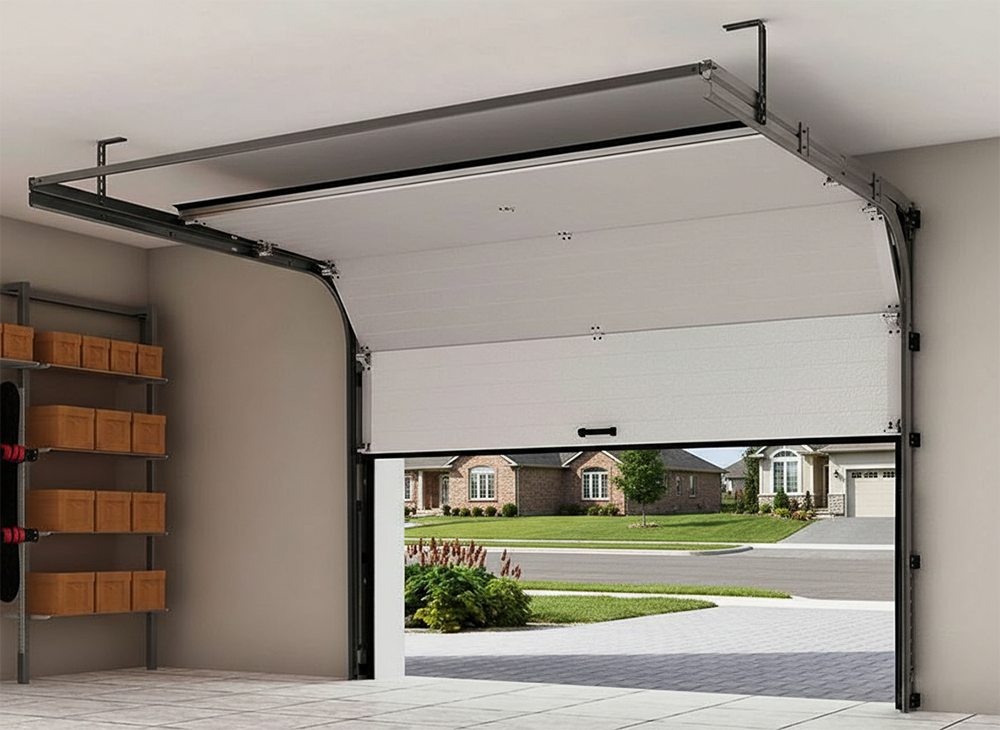
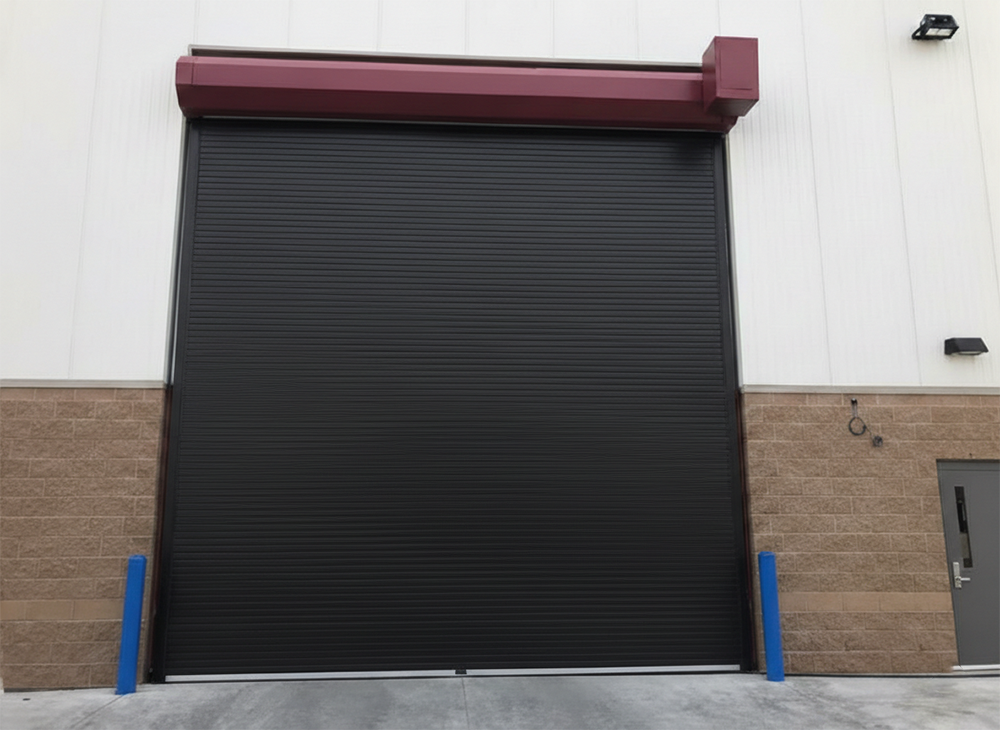
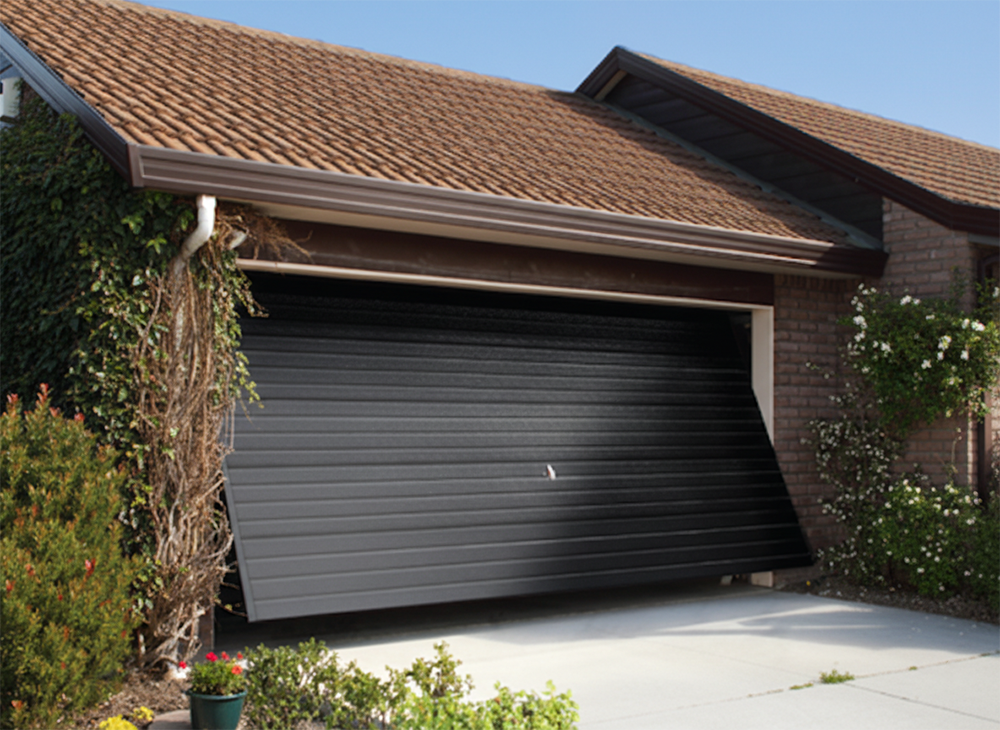
My name is Dmytro Shevchenko, master contractor and owner of Prime Garage Door Repair. For over a decade, I’ve been installing, repairing, and consulting on garage doors across Park Ridge, Des Plaines, Mount Prospect, Evanston, and the surrounding Illinois suburbs. I’ve personally worked on thousands of overhead doors and seen firsthand how the wrong type leads to frozen tracks, drafty garages, and expensive repairs after just one harsh winter.
In the industry, “overhead door” is a common term for vertically lifting garage doors. The three main types are:
- Sectional overhead doors — by far the most popular (85–90% of residential installations)
- Roll-up / coiling overhead doors — favored for low headroom and commercial strength
- Tilt-up overhead doors (canopy and retractable styles) — simpler, budget-friendly option
In 2026, trends are shifting toward higher insulation (R-16+), smart openers with app control, wind-rated hardware, and eco-friendly materials.
What This Guide Covers
- How each type operates with clear visuals
- Pros, cons, and real-world performance in Chicago weather
- Best applications for homes vs. businesses
- Installed cost ranges in the Chicago area ($1,200–$4,000+)
- Tips for energy efficiency and long-term reliability
Whether you’re replacing an old door, building a new garage, or upgrading a commercial space, you’ll finish this article knowing exactly which overhead door type fits your needs.
This is part of our larger series on garage door options—check the full Garage Door Options Guide for styles, materials, and more. Also see our related article on Types of Garage Doors.
Why Overhead Doors Matter in Chicago
Types of overhead doors are the foundation of efficient garage access, but in Northwest Chicago’s climate, they play an even more critical role in protecting your home or business from extreme conditions. With temperatures often dipping below zero, heavy snowfall, road salt corrosion, and gusty winds, the wrong overhead door can lead to frozen mechanisms, energy loss, security vulnerabilities, and costly repairs.
From my experience at Prime Garage Door Repair, homeowners and businesses in Park Ridge, Des Plaines, Mount Prospect, and Evanston frequently call during winter storms because their doors won’t open or are letting in cold air. Choosing the right type ensures reliability, energy savings, and long-term value.
Space Optimization and Practicality
Overhead designs lift vertically, eliminating the need for swing-out clearance—perfect for short driveways and compact suburban lots common in NW Chicago. This makes them ideal for attached garages where space is limited.
Weather Resistance and Durability
Salt from winter roads accelerates rust, while freeze-thaw cycles can warp tracks or panels. Galvanized steel and proper seals are essential.
In a recent Evanston project, switching to a high-quality insulated sectional overhead door eliminated ice buildup and track freezing that plagued the old tilt-up model.
Energy Efficiency
Attached garages often connect directly to the home—poor insulation means heat escapes, spiking utility bills. Overhead doors with high R-values (R-12 to R-18+) create a better thermal barrier.
Many clients report 15–25% savings on heating after upgrading.
Security, Safety, and Longevity
Reinforced construction deters break-ins (a common garage entry point), while modern safety features like auto-reverse sensors prevent accidents.
Quality overhead doors last 20–30 years with proper maintenance, compared to cheaper options that often fail in 5–10 years under Chicago conditions.
Cost and ROI
Installed costs in Chicago typically range from $1,200–$4,000+, depending on type, insulation, and features. Strong ROI comes from energy savings, reduced repairs, and increased property value.
Quick Overview of Benefits in Our Climate
| Benefit | Impact in Chicago |
|---|---|
| Vertical Lift | Saves driveway space in dense suburbs |
| Insulation (R-value) | Reduces heating costs by 10–30% |
| Rust Resistance | Essential for exposure to road salt |
| Wind & Snow Durability | Handles storms and heavy snowfall more reliably |
Choosing the right types of overhead doors now prevents headaches and maximizes performance through Illinois seasons.
Sectional Overhead Doors
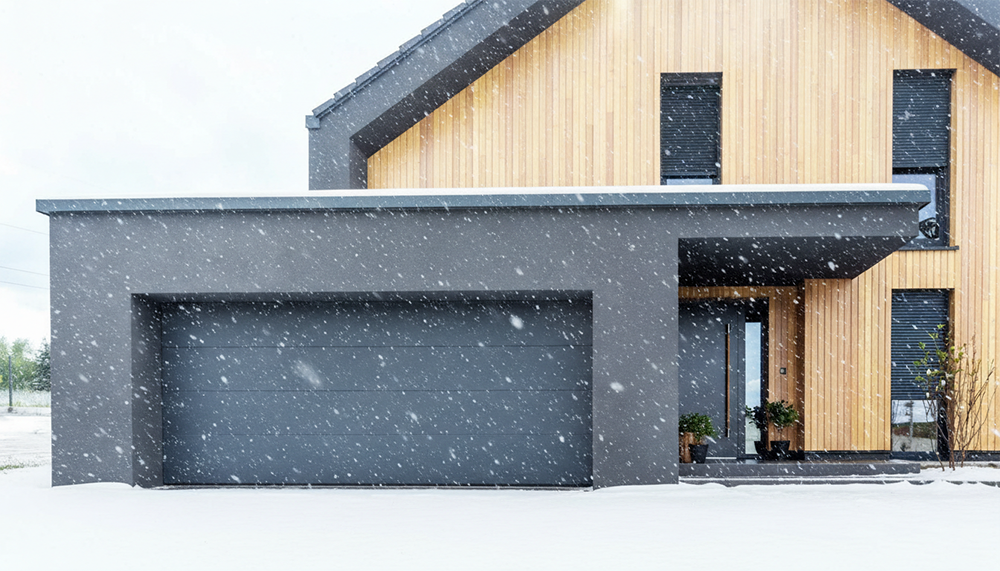
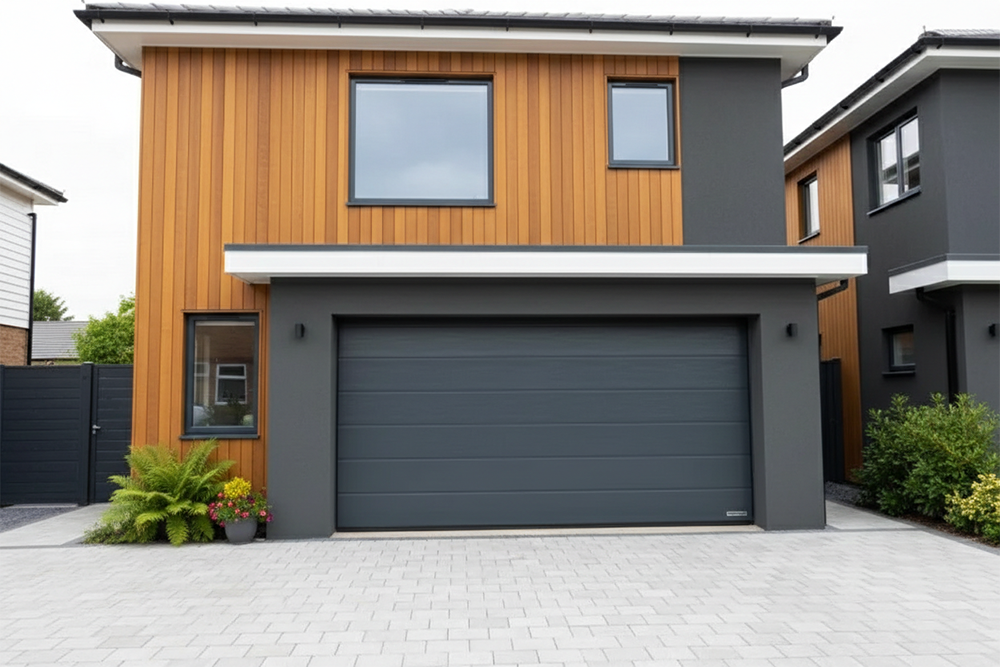
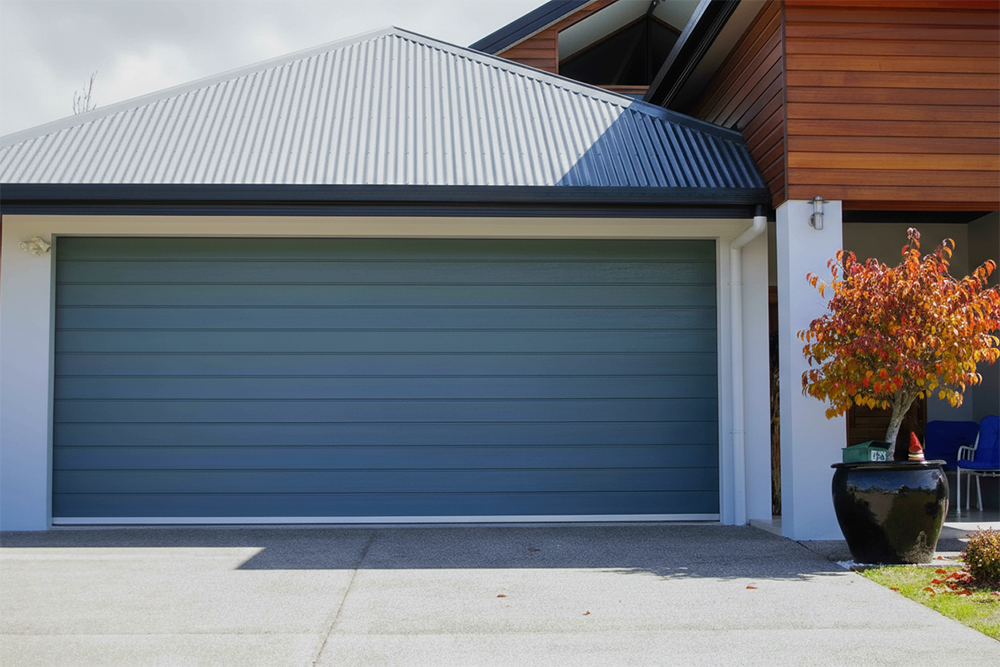
Among all types of overhead doors, sectional overhead doors are the undisputed leader—accounting for 85–90% of residential installations and a large share of light commercial ones in the United States. In Northwest Chicago suburbs like Park Ridge, Des Plaines, and Evanston, they are my go-to recommendation for nearly every homeowner due to their balance of space efficiency, insulation, durability, and customization.
How Sectional Overhead Doors Work
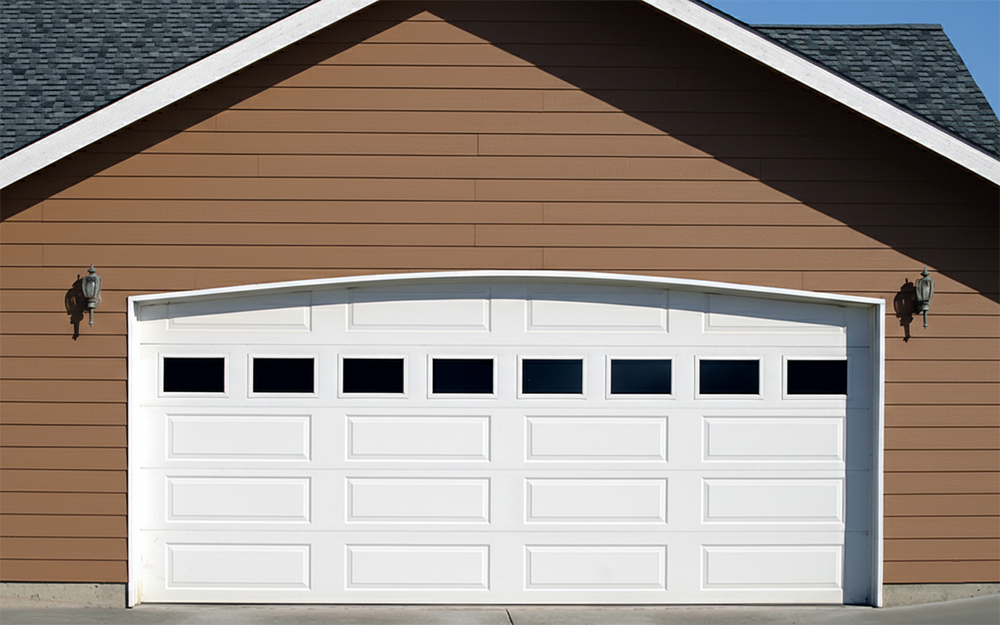
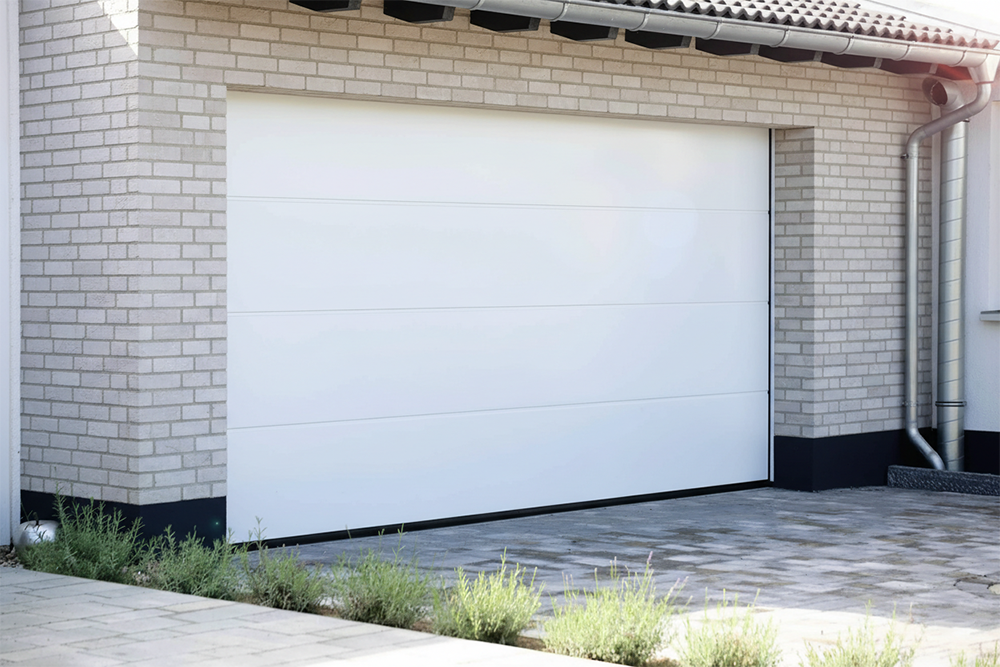
Sectional doors consist of 3–8 horizontal panels (sections) connected by hinges. When the door opens, the panels bend at the hinges and roll upward along curved tracks mounted on the garage side walls and ceiling.
A counterbalance system—typically torsion springs mounted above the door or extension springs on the sides—offsets most of the door’s weight (150–400 lbs depending on size). The electric opener (chain, belt, or direct-drive) attaches to the top panel and pulls the door up smoothly.
Safety features include infrared photo-eye sensors at the bottom and auto-reverse if the door encounters an obstruction. In modern 2026 models, many include battery backup for power outages—a must-have during Chicago winter storms.
Pros of Sectional Overhead Doors
- Space-Saving Design: No driveway clearance needed; perfect for short or narrow drives in our suburbs.
- Excellent Insulation: Polyurethane-injected cores deliver R-values of 12–20+, significantly reducing heat loss in attached garages.
- Quiet & Smooth Operation: Belt-drive openers are nearly silent—ideal when bedrooms are above the garage.
- High Customization: Endless panel styles (raised, flush, recessed), window options, colors, and hardware.
- Durability: Galvanized steel skins resist rust from road salt; high-cycle springs last 15–25 years with proper care.
Cons of Sectional Overhead Doors
- Headroom Requirement: Needs 10–15 inches above the opening for standard tracks (high-lift tracks can reduce this).
- Maintenance: Rollers, hinges, and springs need periodic lubrication and inspection (annual tune-up recommended).
- Higher Upfront Cost: Insulated models cost more than basic tilt-up, but pay off quickly.
Performance in Chicago Weather
In our freeze-thaw cycles, sectional doors with polyurethane insulation and reinforced bottom seals prevent ice buildup and drafts.
In a recent Mount Prospect install, a client upgraded from a non-insulated door to an R-18 sectional—resulting in noticeably warmer garage temperatures and lower heating bills during the first winter.
Trends for 2026
Sectional overhead doors now feature smart integration (LiftMaster MyQ with cameras), wind-rated hardware (up to 150 mph), and eco-friendly recycled steel. Matte black finishes and full-view glass panels are popular for modern homes.
As an authorized dealer for Amarr and Clopay, I strongly recommend sectional overhead doors for most NW Chicago properties. Installed costs typically range from $1,500–$3,500 for a standard single-car door (including professional installation).
For more on variations, see our related guide on Types of Garage Doors.
Roll-Up / Coiling Overhead Doors
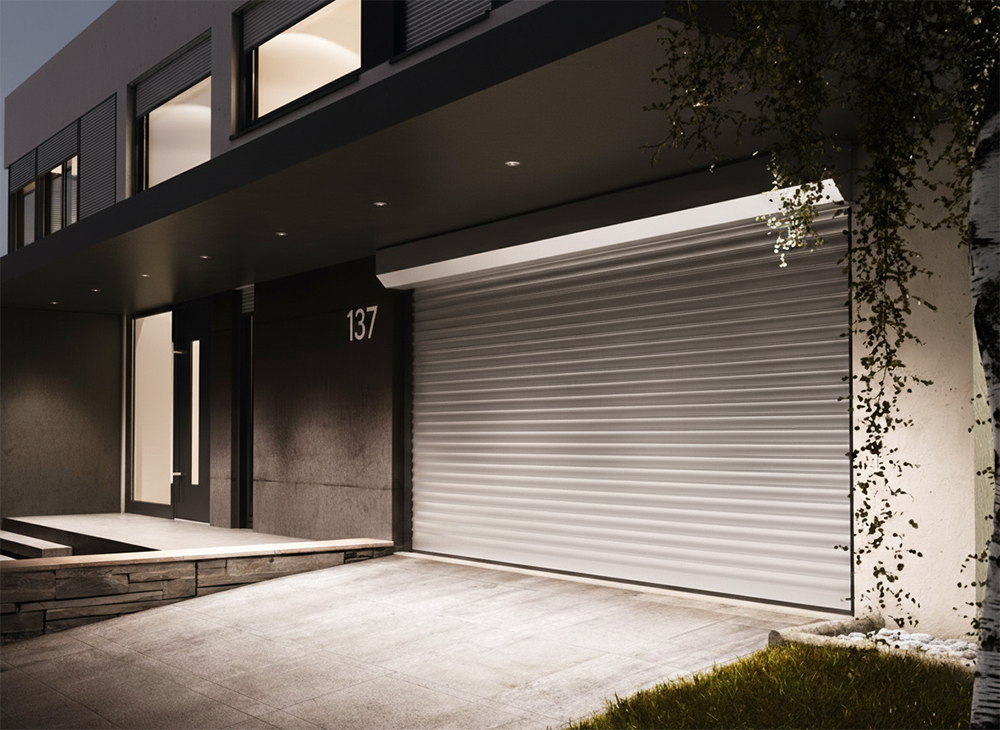
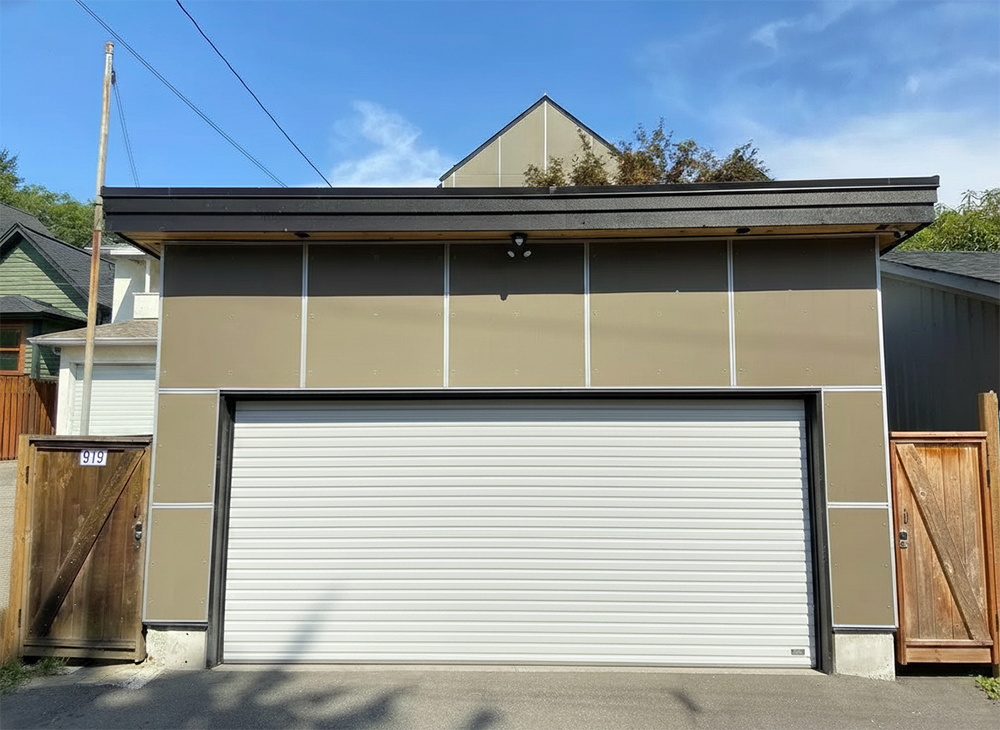
Roll-up or coiling overhead doors are a robust, space-efficient option among types of overhead doors, often favored for commercial applications but increasingly used in residential garages with unique constraints. In Northwest Chicago, where low headroom or high-security needs arise—such as in older industrial conversions or detached workshops—these doors provide reliable performance against our tough weather.
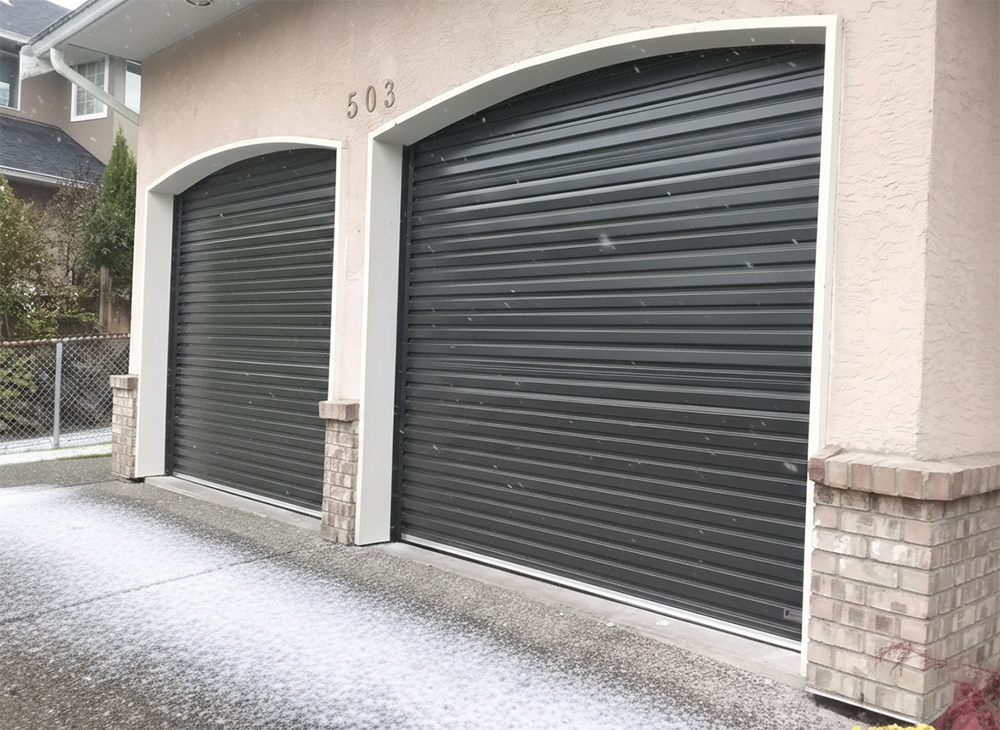
How Roll-Up / Coiling Overhead Doors Work
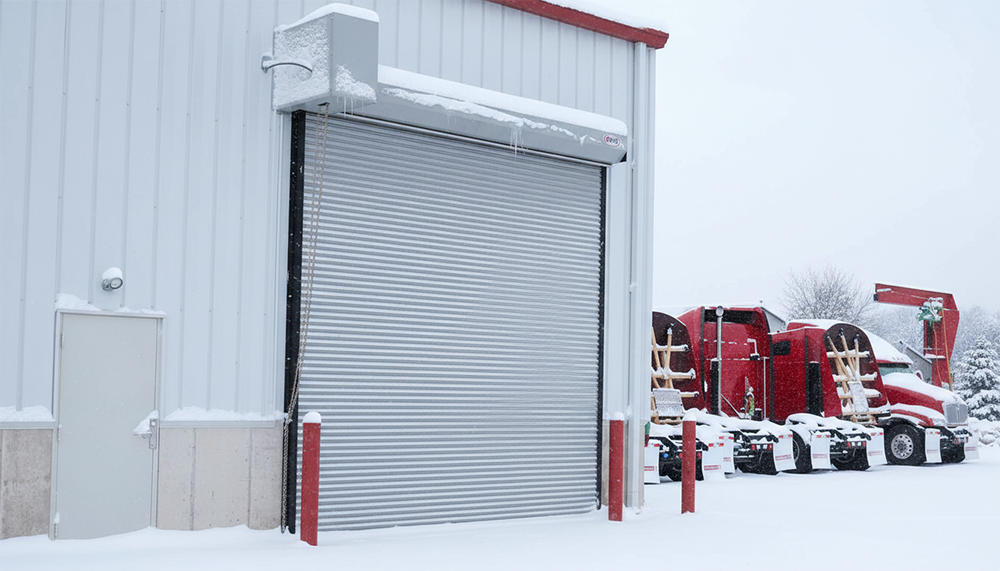
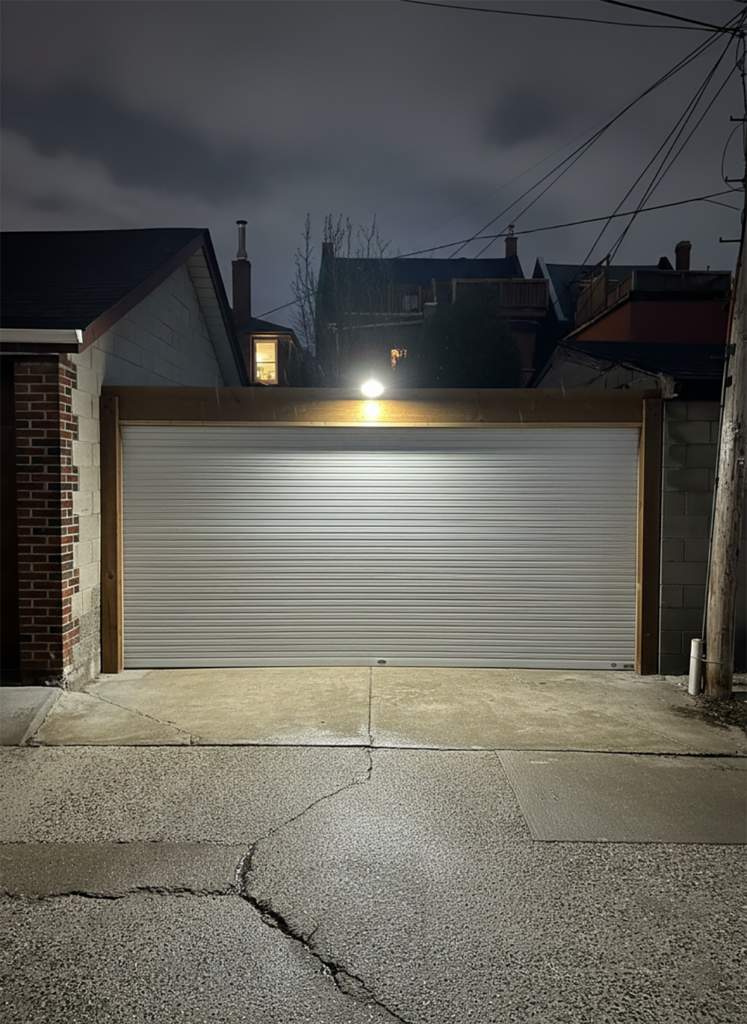
These doors feature interlocking horizontal slats (typically steel or aluminum) that form a flexible curtain. When opening, the slats coil tightly around a barrel or drum mounted above the door opening, guided by vertical tracks on the sides.
No hinges or bending panels are involved; instead, a spring-assisted or motorized mechanism winds the door up into a compact roll. For larger commercial doors, a chain hoist or heavy-duty operator is common.
Headroom requirement is minimal (8–12 inches), making them ideal for garages with exposed pipes, ducts, or low ceilings. Safety features include tension sensors and optional bottom-edge detection.
Pros of Roll-Up / Coiling Overhead Doors
- Compact Storage: Minimal overhead space needed; great for constrained garages in Evanston or Niles.
- Superior Durability and Security: Impact-resistant slats deter break-ins and withstand high winds (rated up to 200 mph in reinforced models).
- Low Maintenance: Fewer moving parts than sectionals; no springs to replace frequently.
- Versatility: Available with insulation, perforations for ventilation, or vision slats for light.
- Quick Operation: High-speed versions open and close in seconds, useful for busy commercial spaces.
Cons of Roll-Up / Coiling Overhead Doors
- Limited Insulation: Even insulated models max out at R-10–12, less effective for heated attached garages in Chicago winters.
- Noisier Than Alternatives: The coiling slats produce more sound during operation.
- Fewer Aesthetic Options: Mostly industrial looks; custom paint or finishes add cost for residential appeal.
- Higher Price for Residential: Installed costs typically range from $1,800–$3,500+, higher than basic sectional doors.
Performance in Chicago Weather
Galvanized steel slats resist salt corrosion, and weather seals help keep out snow and drafts. In a Des Plaines commercial install, a roll-up door held up through multiple blizzards without warping, unlike a previous sectional that iced over.
For residential applications, adding foam insulation is recommended to reduce cold transfer.
Trends for 2026
High-speed coiling doors with smart sensors for automatic operation are gaining popularity, along with eco-variants using recycled aluminum and energy-efficient motors. Powder-coated colors are trending to help these doors blend with modern home exteriors.
Roll-up overhead doors excel in specific scenarios, making them a strong choice among types of overhead doors for durability-focused users. For more on similar mechanisms, check Garage Door Opening Styles.
Tilt-Up Overhead Doors (Canopy & Retractable)
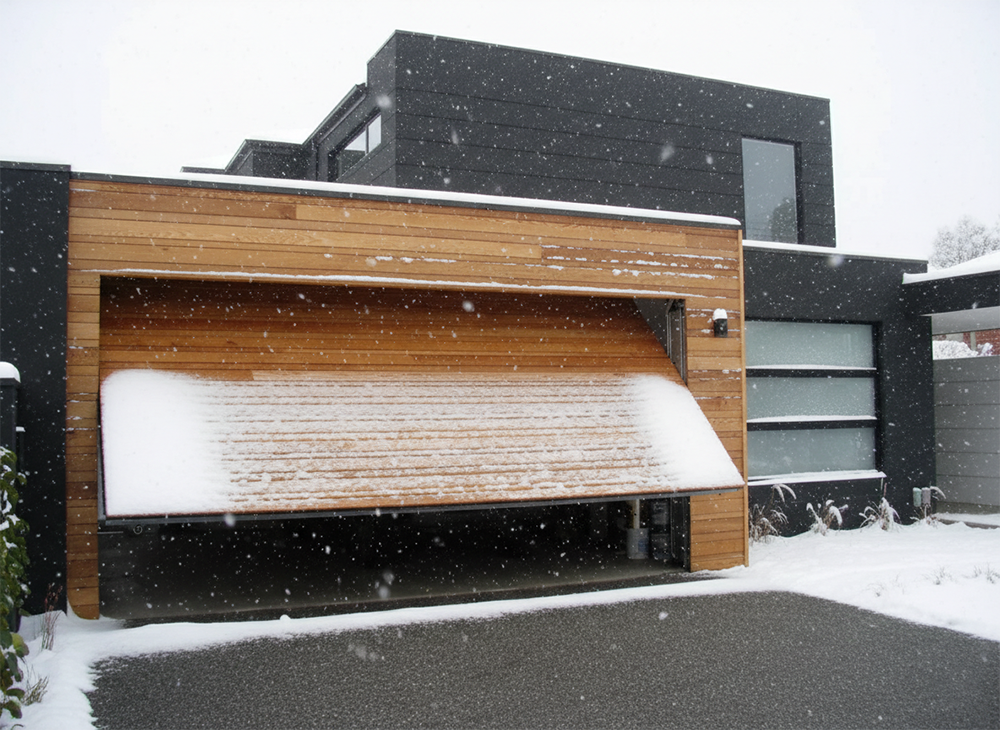
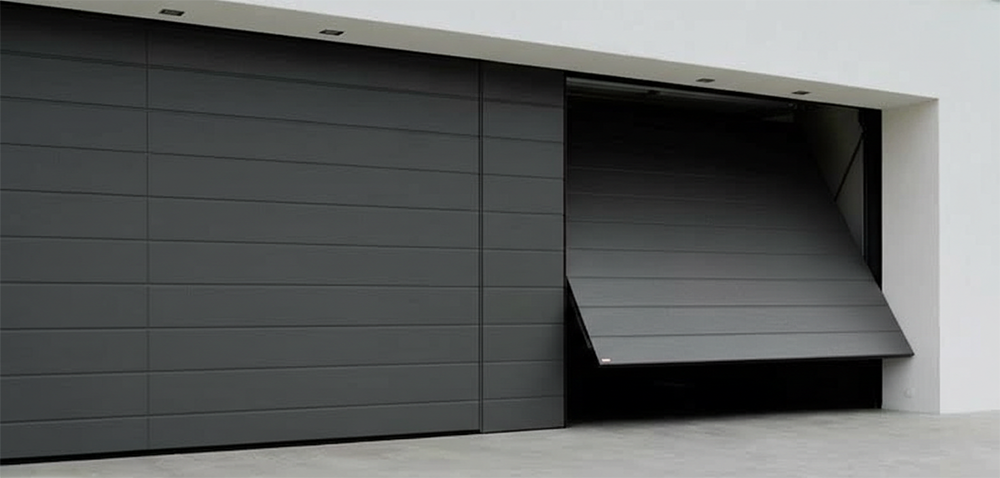
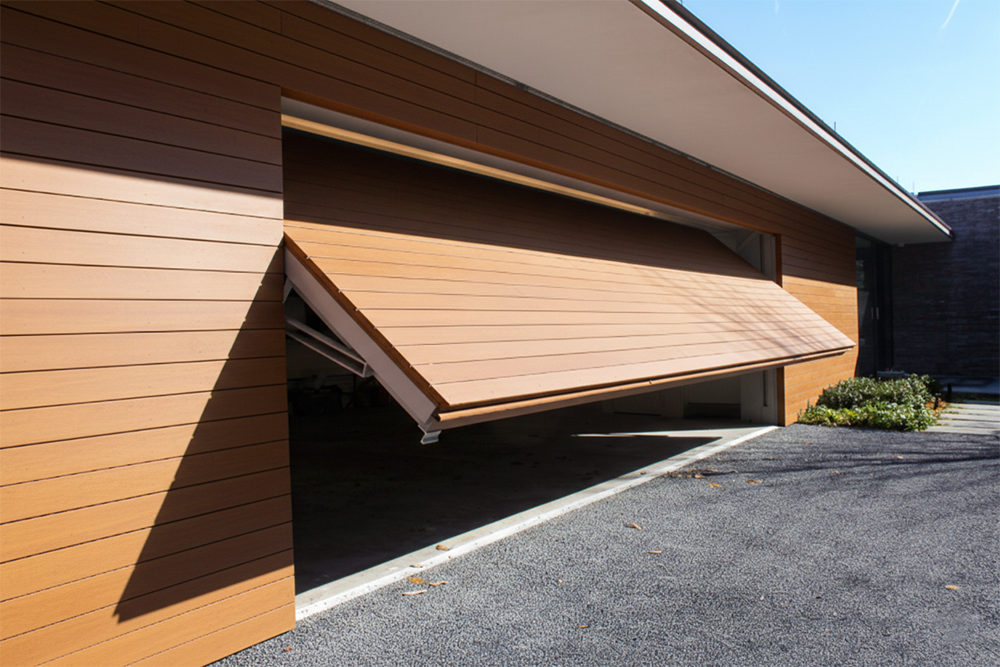
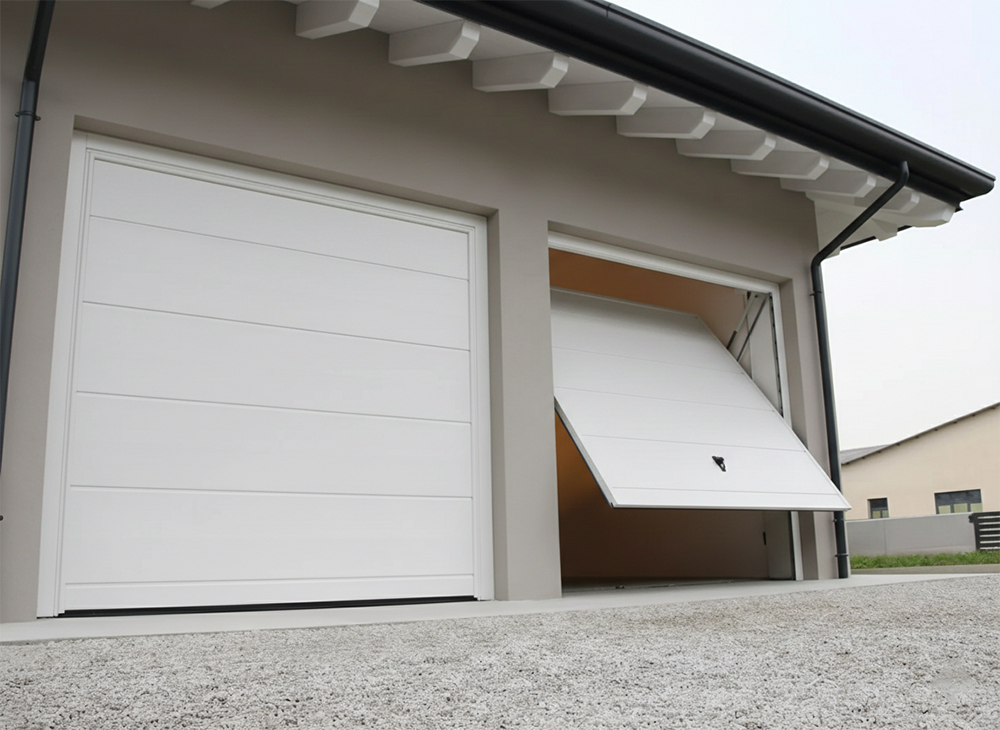
Tilt-up overhead doors represent a simpler, more traditional option among types of overhead doors, often seen in older homes or budget-conscious replacements. They come in two main subtypes: canopy (where the door protrudes outward like an awning when open) and retractable (which fully retracts into the garage).
While less common in new constructions (less than 5% of modern installs), they still have a place in Northwest Chicago for detached garages or retrofits where complexity isn’t needed.
How Tilt-Up Overhead Doors Work
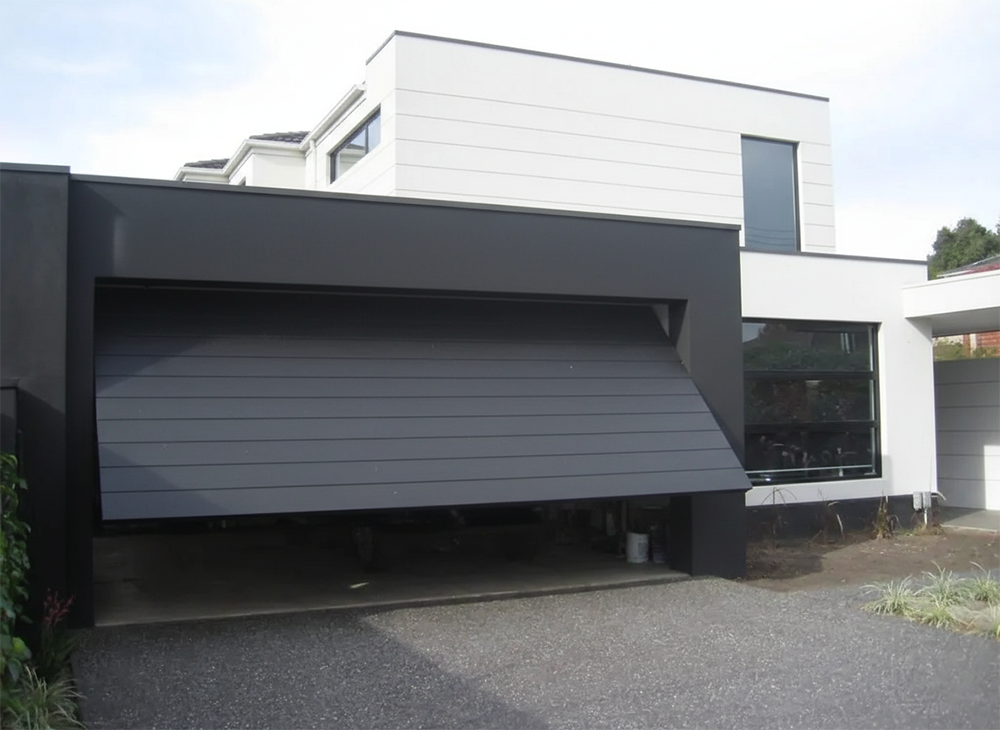
These are single-piece doors that tilt upward as one unit.
Canopy style: The door pivots on side arms, leaving about one-third of the door extending outside when fully open.
Retractable style: Uses additional tracks or rollers to pull the entire door inside horizontally along the ceiling.
Springs or counterweights assist the lift, and openers attach directly to the door panel. There are no multiple panels or coiling systems, making the mechanism straightforward with fewer parts.
However, automation options are limited compared to sectional doors, and manual operation is common in basic models.
Pros of Tilt-Up Overhead Doors
- Simplicity and Reliability: Fewer components mean less to break; easy DIY adjustments.
- Lower Cost: Installed prices typically range from $1,200–$2,500, making this the most affordable overhead type.
- Classic Aesthetic: Suits mid-century or basic homes without modern styling.
- No Interior Headroom Issues (Canopy): Opens outward, freeing ceiling space inside the garage.
Cons of Tilt-Up Overhead Doors
- Limited Insulation: Usually R-0 to R-6; poor energy efficiency for Chicago’s cold climate.
- Driveway Clearance Required: Canopy style needs exterior space, impractical for short or snow-packed driveways.
- Security Concerns: Easier to force open; fewer smart or safety features.
- Becoming Obsolete: Replacement parts are harder to source as sectionals dominate the market.
Performance in Chicago Weather
In salty winter conditions, steel tilt-up doors hold up reasonably well but lack the sealing and insulation of sectional doors—leading to drafts and potential freezing.
In a Niles project, a client replaced a heavily rusted canopy door with a retractable version, improving usability, but still required upgraded weatherstripping to combat ice and drafts.
Trends for 2026
Updated tilt-up doors now use composite materials for better rust resistance and offer basic smart locking options. Despite these updates, they continue to lose ground to more efficient overhead door types.
Tilt-up overhead doors remain a budget-friendly classic, but for most Northwest Chicago homes, I recommend upgrading to sectional overhead doors for superior insulation, security, and long-term performance. For more on opening mechanisms, see [Garage Door Opening Styles].
Other Overhead Variations
While sectional, roll-up, and tilt-up cover the vast majority of types of overhead doors, a few specialized variations exist for particular needs in residential and commercial settings. These are less common in Northwest Chicago (typically under 5% of installs), but they solve specific problems like extra headroom or high-frequency use.
High-Lift Overhead Doors
A variation of sectional doors where tracks extend higher up the wall before curving, allowing the door to store vertically higher in the garage.
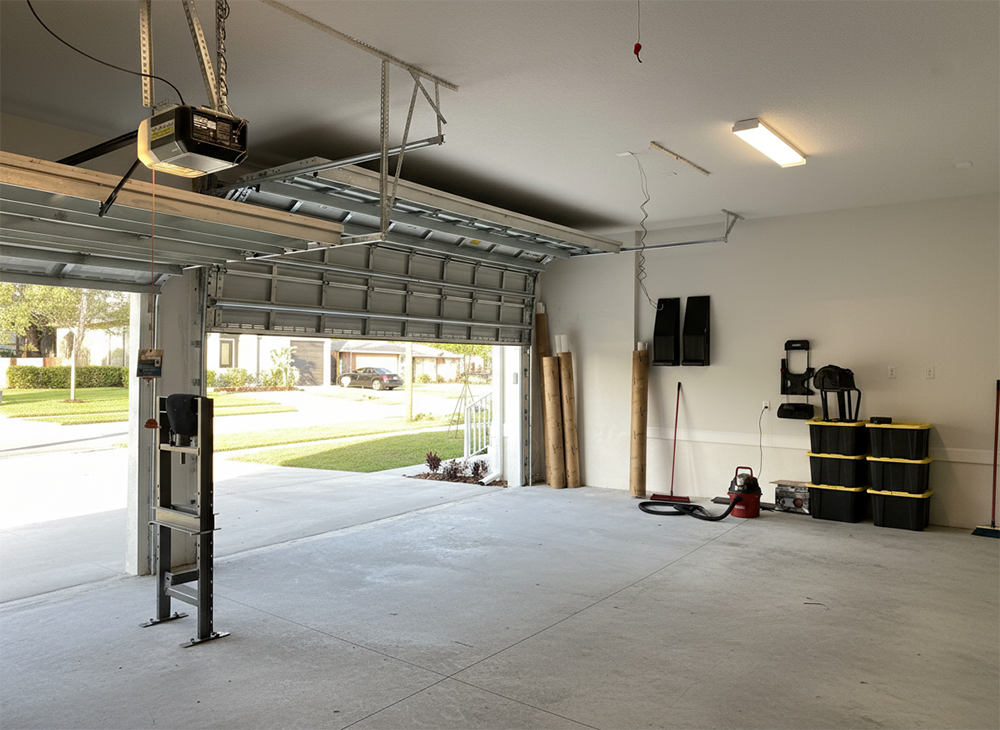
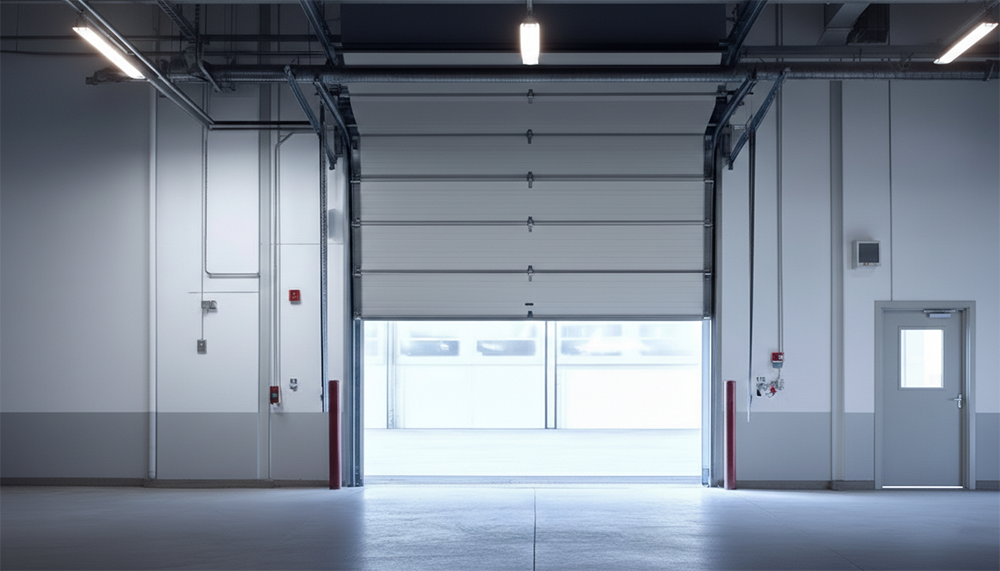
How they work: Standard sectional panels are used, but the tracks are extended 2–6 feet higher before transitioning to the horizontal position. This provides extra clearance for tall vehicles (SUVs, lifted trucks) or overhead storage.
Pros:
- Maximizes vertical space for storage or tall door openings.
- Retains all benefits of sectional doors (insulation, quiet operation).
- Ideal for garages with high ceilings.
Cons:
- Requires additional wall height (typically 12–18 feet total).
- Slightly higher cost due to extended tracks ($200–$500 extra).
- More complex installation.
Chicago use: Popular in newer homes in Mount Prospect or Des Plaines with taller garages. I’ve installed several high-lift sectional doors for clients needing clearance for lifted trucks—an excellent fit for suburban lifestyles.
High-Speed / Rapid Overhead Doors
Primarily commercial, but increasingly used in high-end residential applications such as home workshops, heated garages, or car collections.
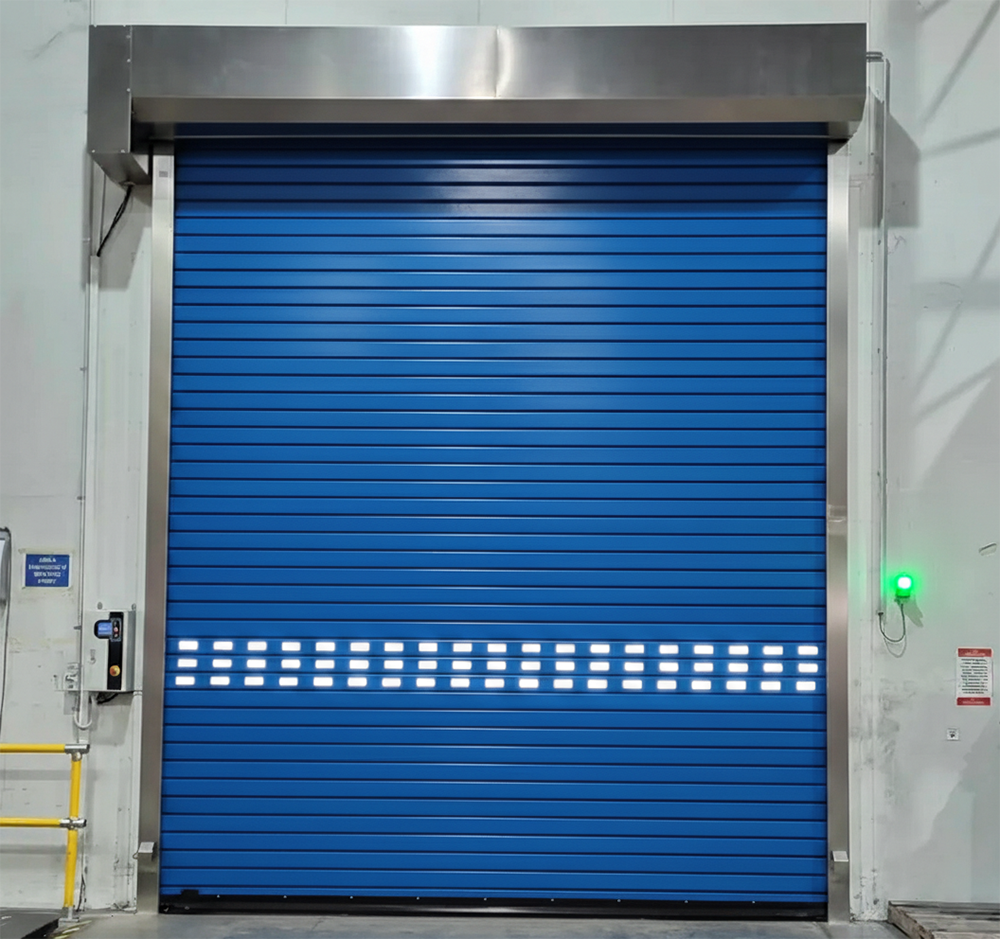
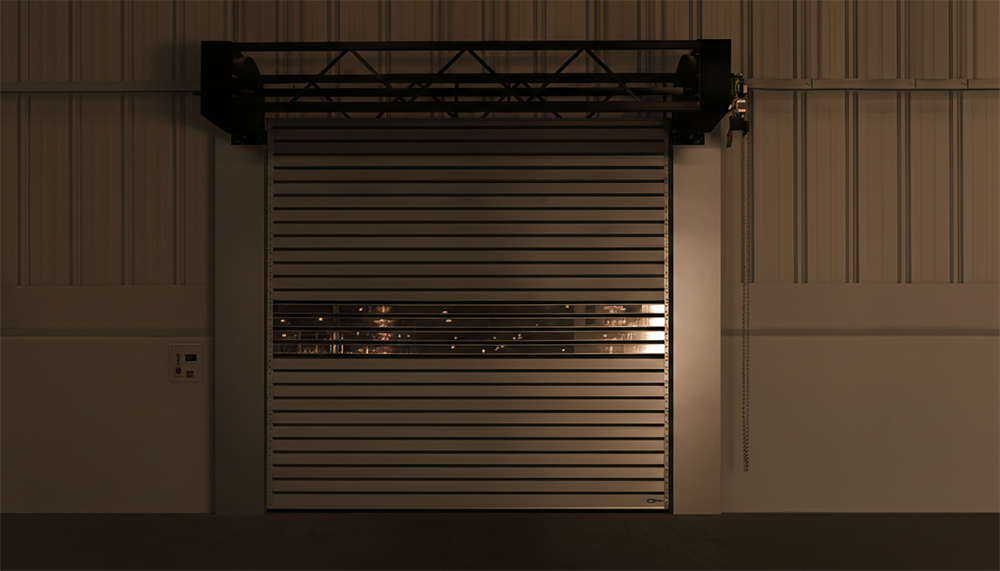
How they work: Reinforced slats or sectional panels are paired with powerful motors and frequency drives, allowing the door to open and close at speeds of 2–3 feet per second.
Pros:
- Extremely fast operation reduces heat loss in heated spaces.
- Built for frequent use (50,000+ cycles).
- Advanced safety features like soft bottom edges and photo sensors.
Cons:
- Significantly higher cost ($3,000–$8,000+ installed).
- Mostly commercial-grade designs with limited residential aesthetics.
Chicago use: Common in auto shops or heated detached garages in Niles. Energy savings are noticeable in winter due to rapid open/close cycles.
Other Niche Overhead Variations
- Vertical Lift Overhead Doors: Rare systems that lift straight up like an elevator; used in very tall commercial or specialty spaces.
- Bi-Fold Overhead Doors: Doors fold in half while lifting; uncommon and typically custom-built.
These specialized options expand the possibilities among types of overhead doors, but for most Northwest Chicago homes and businesses, standard sectional overhead doors remain the best all-around choice for insulation, reliability, and cost efficiency.
For deeper dives into operating mechanisms, see our related guide on [Garage Door Opening Styles].
Comparison Table & Cost Considerations
To help you quickly compare the types of overhead doors we’ve covered, here’s a clear summary table with key factors tailored to Northwest Chicago conditions (2026 estimates). Costs are approximate installed prices for a standard single-car door (9×7 ft) in our area, including labor, removal of the old door, and basic features.
| Type of Overhead Door | Headroom Needed | Insulation (Typical R-Value) | Durability vs. Salt/Snow | Noise Level | Avg. Installed Cost (Chicago 2026) | Best For in NW Chicago | My Recommendation Rating |
|---|---|---|---|---|---|---|---|
| Sectional | 10–15 inches | High (R-12 to R-20+) | Excellent | Quiet | $1,500–$3,500 | Most homes, attached garages | ★★★★★ (Top choice) |
| Roll-Up / Coiling | 8–12 inches | Medium (R-8 to R-12) | Excellent | Moderate | $1,800–$3,800 | Low-ceiling garages, workshops, commercial | ★★★★☆ |
| Tilt-Up (Canopy / Retractable) | Minimal (canopy) / 12+ inches (retractable) | Low (R-0 to R-6) | Good | Quiet | $1,200–$2,500 | Budget replacements, detached garages | ★★☆☆☆ |
| High-Lift Sectional | 12–18+ inches (extended) | High (R-12 to R-20+) | Excellent | Quiet | $1,800–$4,000 | Tall vehicles, extra storage | ★★★★☆ (special cases) |
| High-Speed Roll-Up | 8–12 inches | Medium | Excellent | Moderate | $3,000–$8,000+ | Commercial, high-traffic homes | ★★★☆☆ (niche) |
Key Cost Notes for the Chicago Area
- Prices include professional installation (highly recommended for safety and warranty protection).
- Add $300–$800 for smart openers (MyQ / LiftMaster), extra insulation, or wind-rated hardware.
- Double-car doors (16×7 ft) typically add 50–100% to the total cost.
- Rebates may be available for high-efficiency models—check local and state energy programs.
From my experience, sectional overhead doors offer the best overall value and performance in our climate—most clients see them pay for themselves through energy savings and fewer repairs. Roll-up types are excellent when headroom is very limited, while tilt-up doors are best reserved for low-budget or detached garage setups.
If you’re still unsure which type of overhead door is right for your garage, don’t guess—contact me for a free on-site consultation. As a local expert serving Park Ridge, Des Plaines, Evanston, and surrounding suburbs, I’ll measure your space, discuss your needs, and recommend the optimal solution using trusted brands like Amarr and Clopay.
Ready to get your overhead door upgrade started? Schedule your free consultation today—call Prime Garage Door Repair or fill out the form on our website. Let’s make your garage warmer, safer, and more reliable this winter.
Thank you for reading. For the full picture, revisit our ultimate Garage Door Options Guide.

Dmytro Shevchenko is the owner and lead technician at Prime Garage Door Repair, located at 25975 N Diamond Lake Rd, Unit 111, Mundelein, IL 60060. Known for his honest service and expert craftsmanship, he ensures every garage door operates safely and smoothly for families and companies across the Chicago suburbs.

estimate