




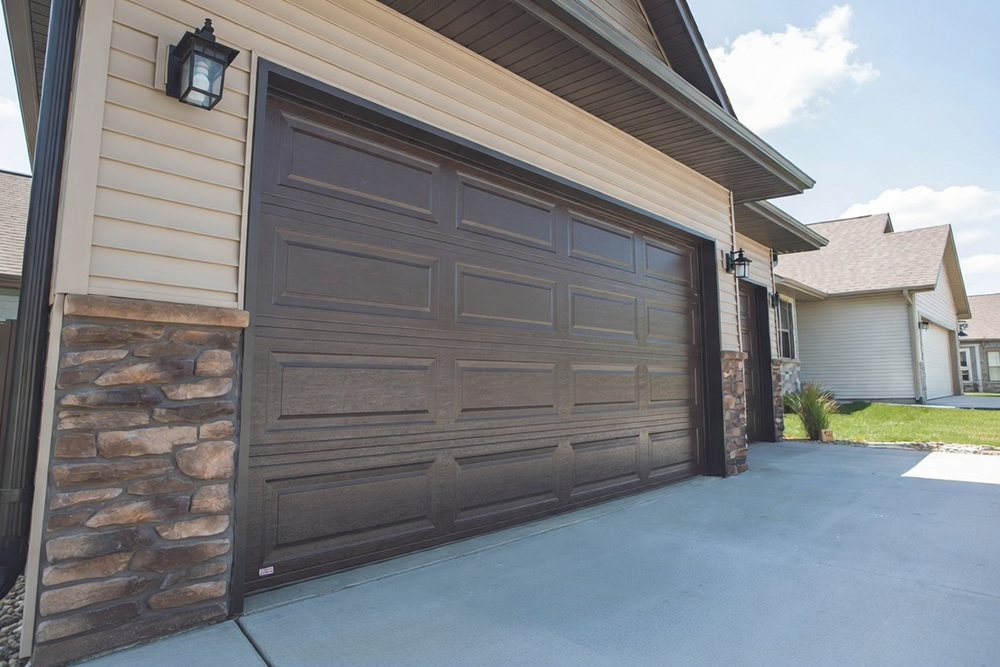
Residential Garage Door Designs: The Ultimate 2026 Style & Performance Guide
✨ Quick Overview In 2026, residential garage door designs have shifted from purely functional “utility…

This guide from Prime Garage Door Repair serves as a strategic roadmap for Chicago-area homeowners (Park Ridge, Des Plaines, Evanston) to transform their garage from a source of heat loss into a stylish, energy-efficient asset. In 2026, the focus has shifted from “just a door” to an intelligent, insulated system that defines up to 40% of a home’s facade.
| Material | Durability (Salt/Snow) | Insulation (R-Value) | Maintenance | Expert Recommendation |
| Steel | Excellent | High (up to R-18+) | Low | Top choice for Illinois |
| Wood | Moderate | Good | High | Best for high-end classic estates |
| Aluminum | Excellent (rust-proof) | Medium | Low | For modern homes with glass panels |
| Composite | Good | Medium | Very Low | Best “wood-look” without the rot |
In the Northwest Chicago suburbs, where winters bring heavy snow, freezing temperatures, and brutal wind chills, your garage door faces some of the toughest conditions in the country. A poorly insulated or outdated door doesn’t just stick or freeze-it can let cold air pour into your home, driving up heating bills by hundreds of dollars each season. I’ve seen it firsthand: homeowners in areas like Park Ridge, Des Plaines, and Mount Prospect calling in panic when their door won’t open during a blizzard, or noticing ice buildup that damages tracks and springs.
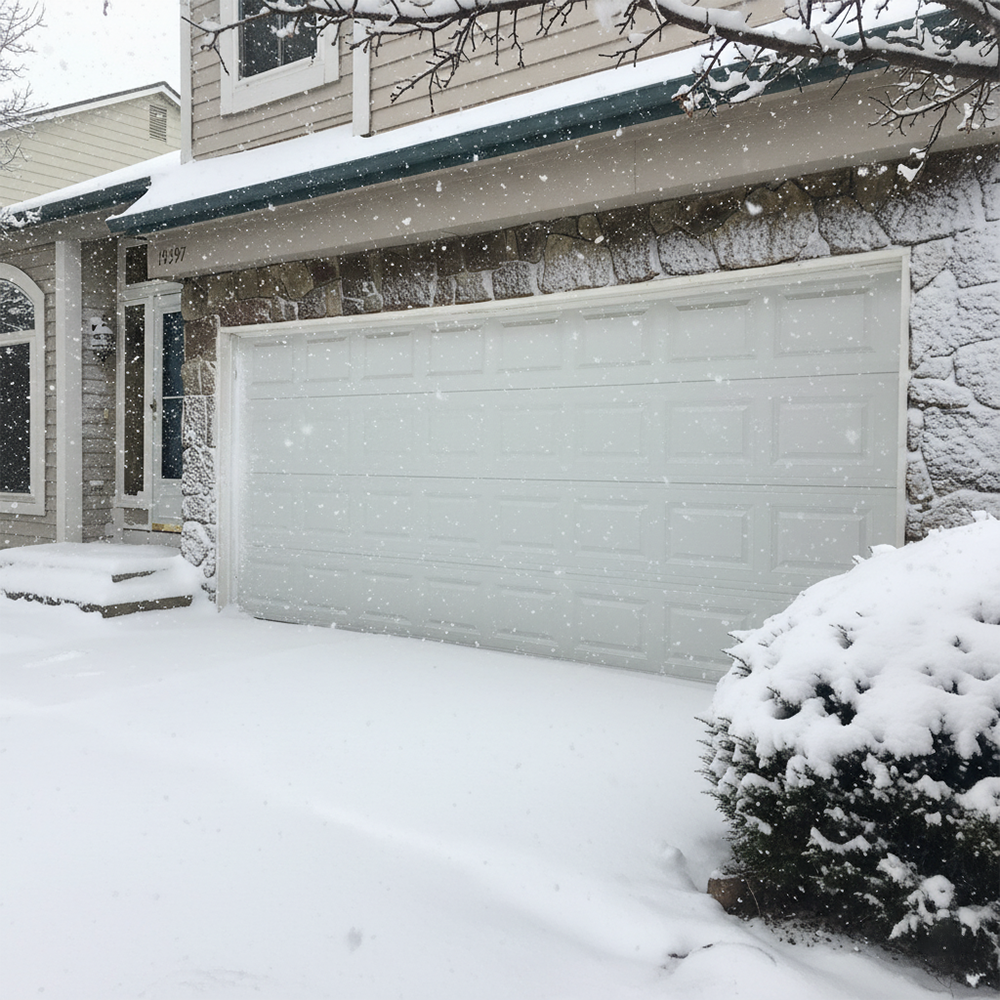
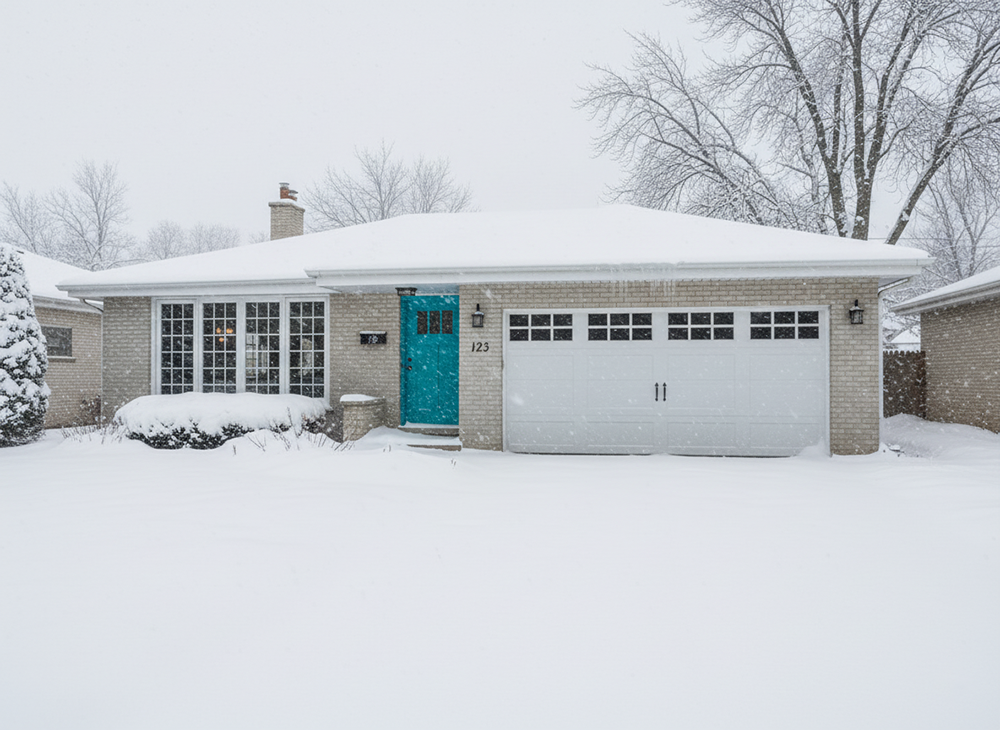
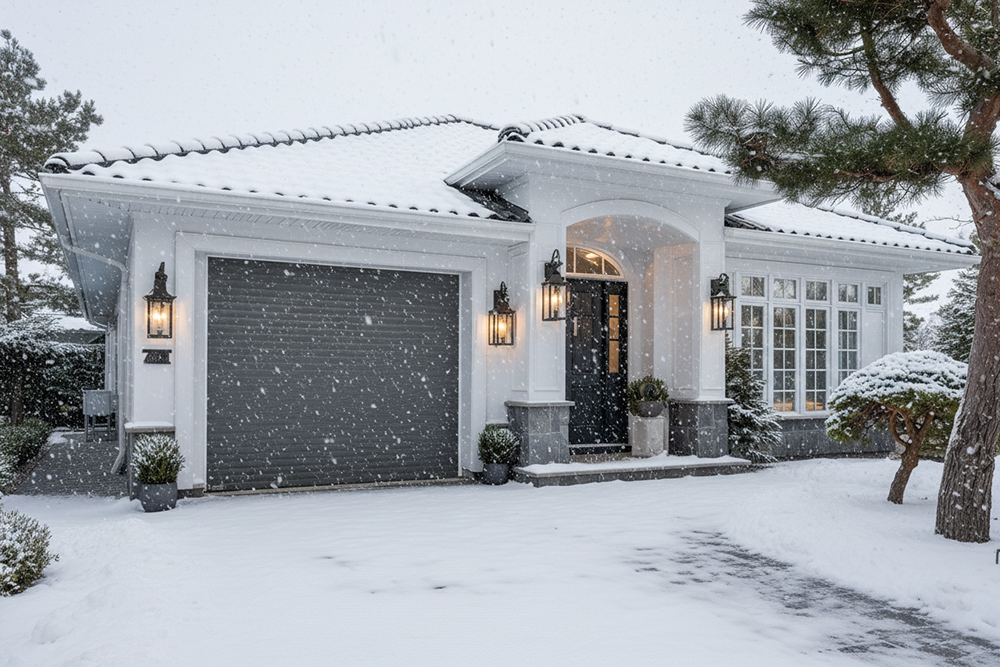
But the right garage door options can transform that problem into an asset—boosting your home’s curb appeal, improving energy efficiency, enhancing security, and even increasing property value. Whether you’re building a new home, replacing a worn-out door, or simply upgrading for better performance in Illinois’ unpredictable weather, choosing wisely makes all the difference.
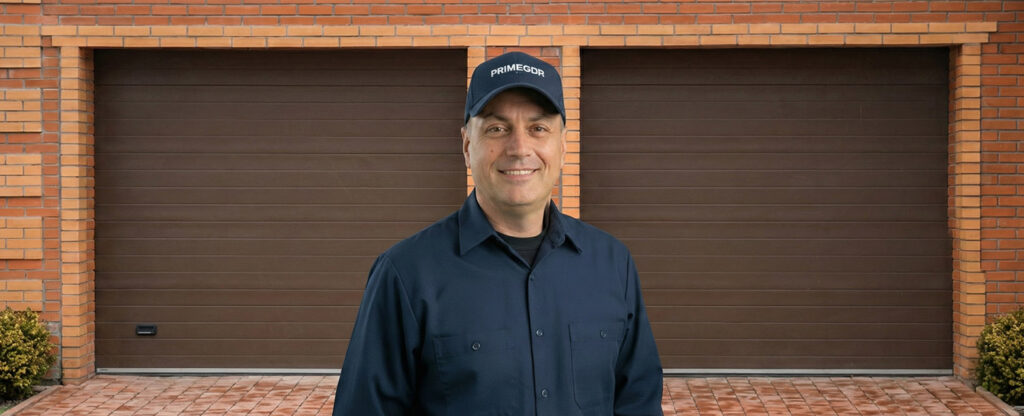
My name is Dmytro Shevchenko, and as the master contractor behind Prime Garage Door Repair, I’ve spent over a decade serving homeowners across Northwest Chicago and the surrounding Illinois areas. I’ve personally installed, repaired, and consulted on thousands of garage doors—from classic raised-panel steel models in older Evanston homes to sleek modern glass-and-aluminum designs in newer subdivisions. This hands-on experience has taught me what truly works in our local climate, which brands hold up best against salt and snow, and how to avoid common pitfalls that lead to costly repairs down the road.
In this ultimate guide to garage door options for 2026, I’ll walk you through everything you need to make an informed decision:
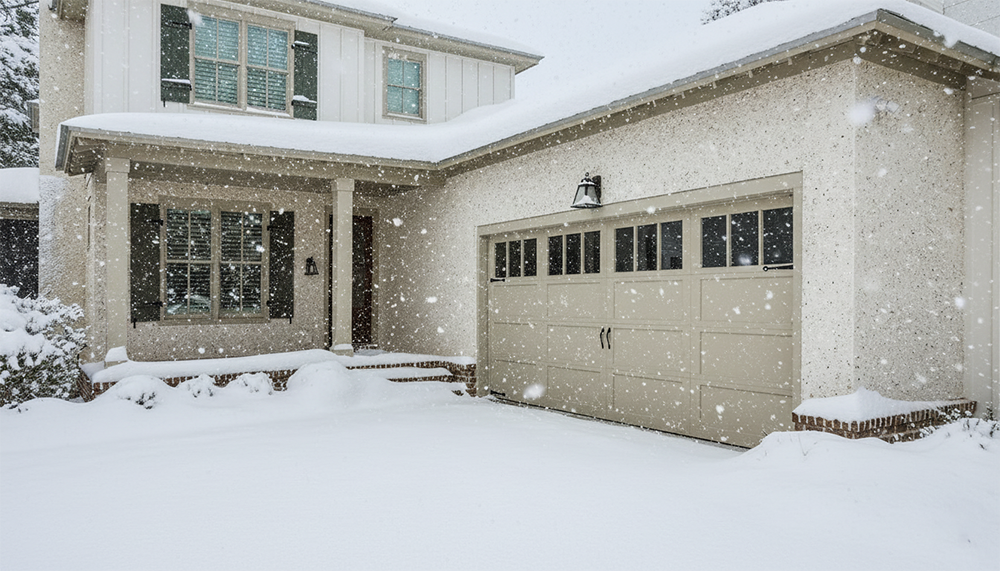
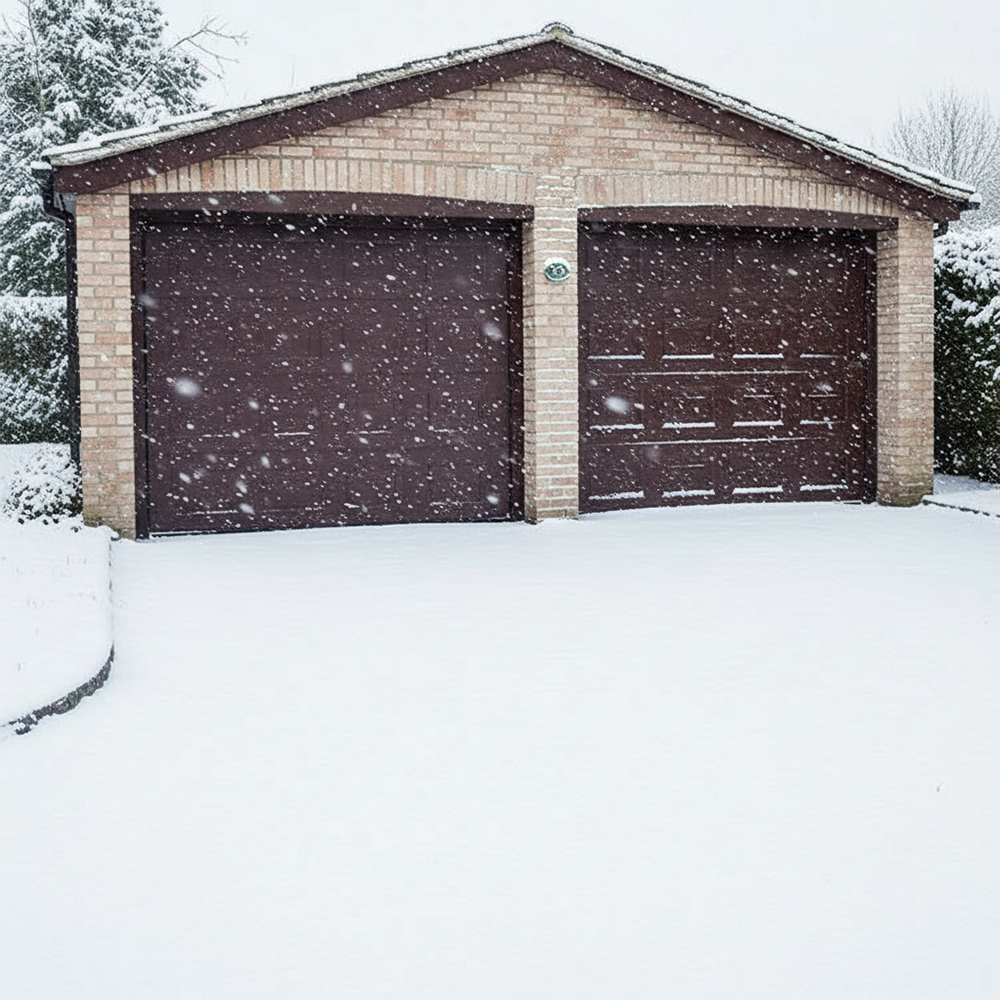
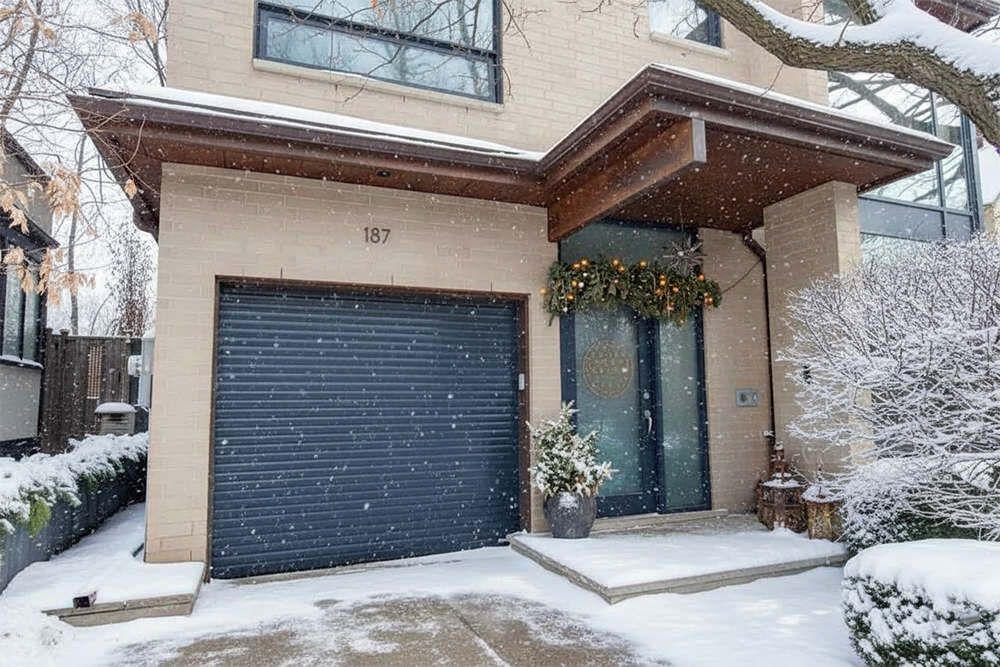
By the end, you’ll know exactly which options suit your home, budget, and lifestyle—backed by real-world insights from a local expert who deals with these doors every day.Ready to find the perfect garage door for your Chicago-area home? Let’s dive in.
Your garage door is more than just an entry point—it’s often the largest moving part of your home and plays a critical role in daily life. In Northwest Chicago’s challenging climate, with freezing winters, humid summers, and everything in between, selecting the right garage door options isn’t just about looks; it’s about functionality, protection, efficiency, and long-term value. Over my 10+ years as a master contractor serving areas like Park Ridge, Des Plaines, Niles, and Evanston, I’ve seen how the wrong choice leads to frequent repairs, high energy bills, and even security risks—while the right one delivers years of trouble-free performance.
First and foremost, a garage door must keep your home secure and comfortable. Modern doors come with reinforced construction, advanced locking systems, and smart features that deter break-ins—one of the most common entry points for burglars.
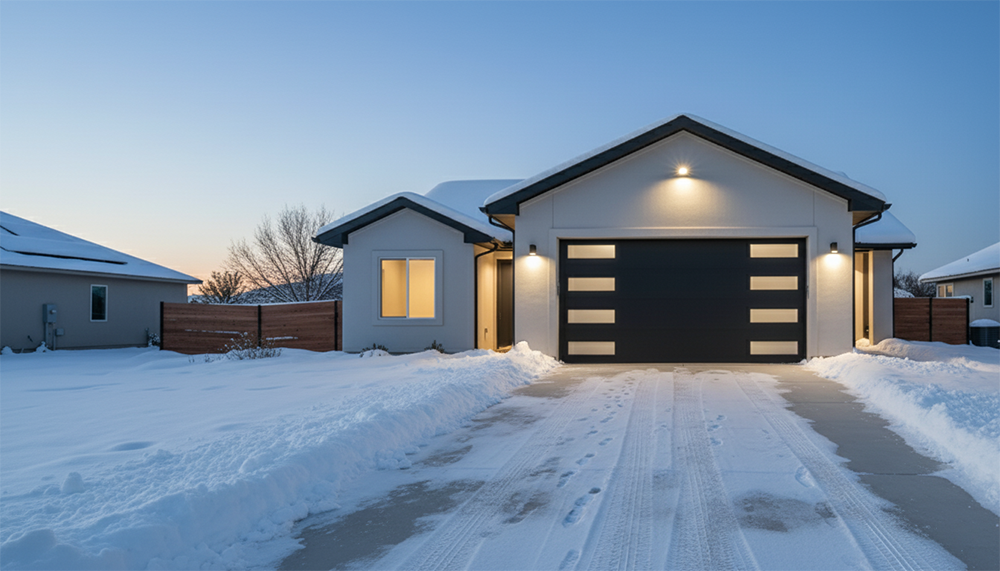
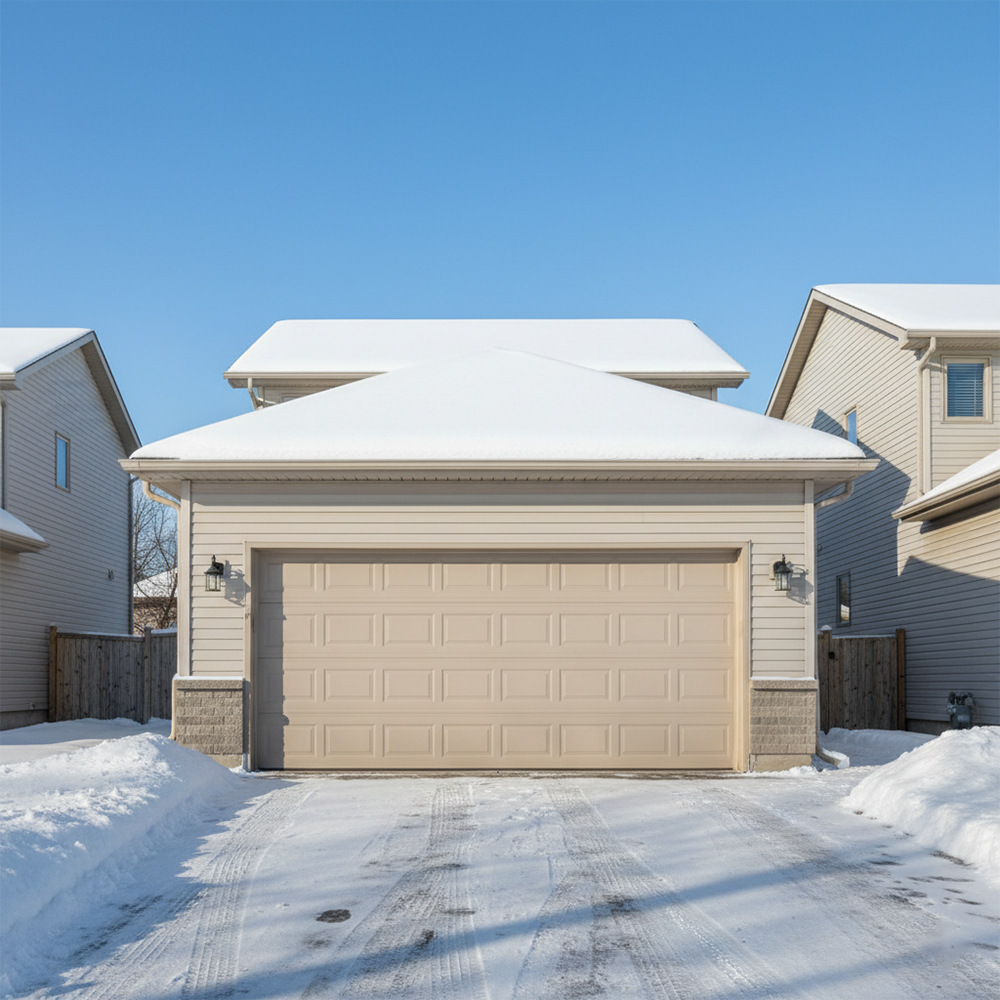
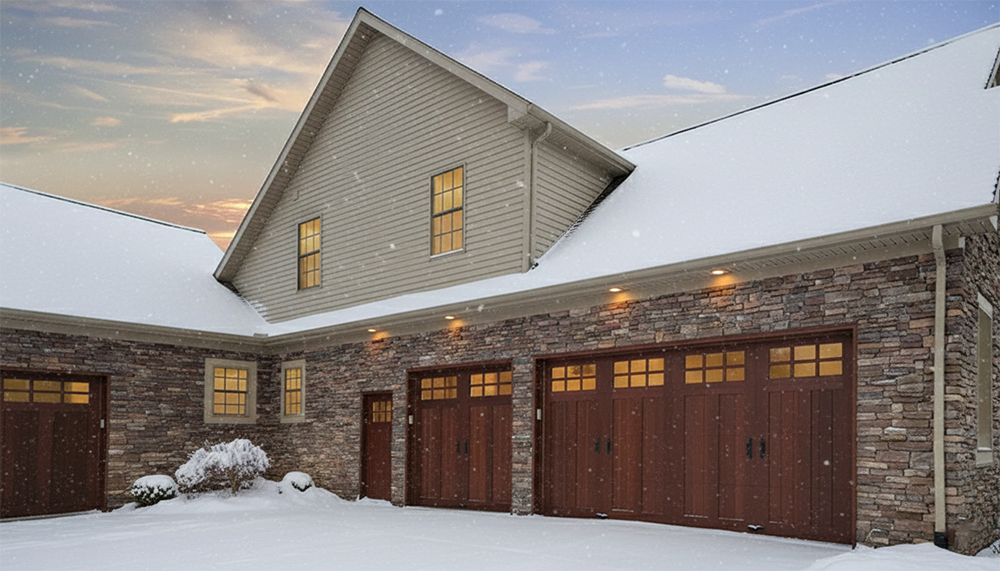
Insulation is equally vital, especially here in Illinois. An insulated door prevents heat loss, reduces noise from the street, and protects stored items from extreme temperatures. In a recent Evanston project, I replaced an old uninsulated wood door with a polyurethane-insulated steel model for a client. The result? They reported a 20% reduction in heating costs that first winter, plus a much quieter garage during windy storms.
Never underestimate the visual impact. Garage doors can make up 30–40% of your home’s facade, dramatically affecting curb appeal and resale value. Upgrading to a stylish new door often delivers one of the highest ROIs of any home improvement—frequently over 100% according to remodeling reports.
Here’s a striking example of what a difference the right choice makes:
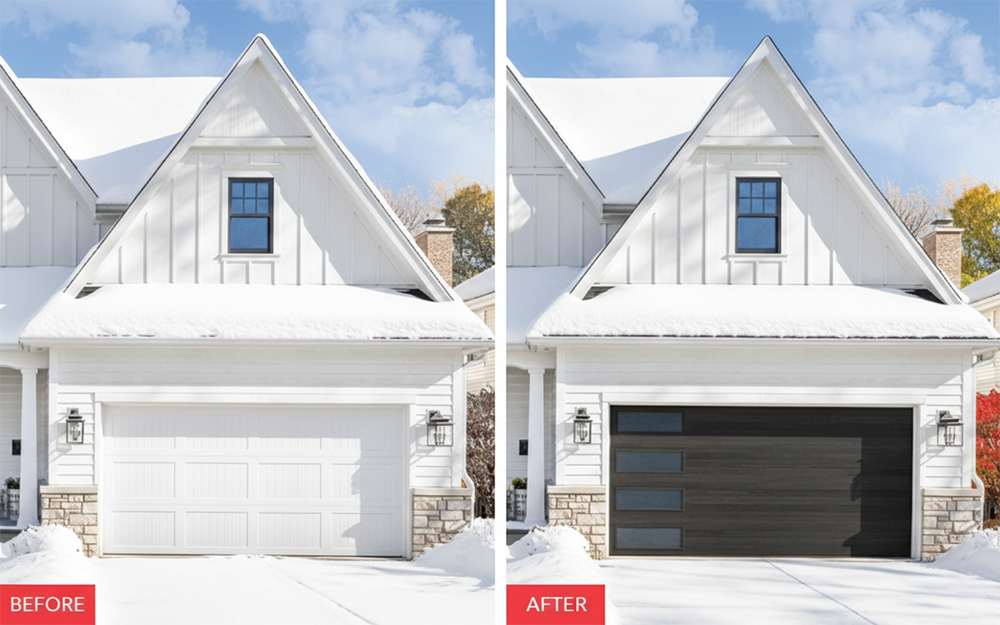
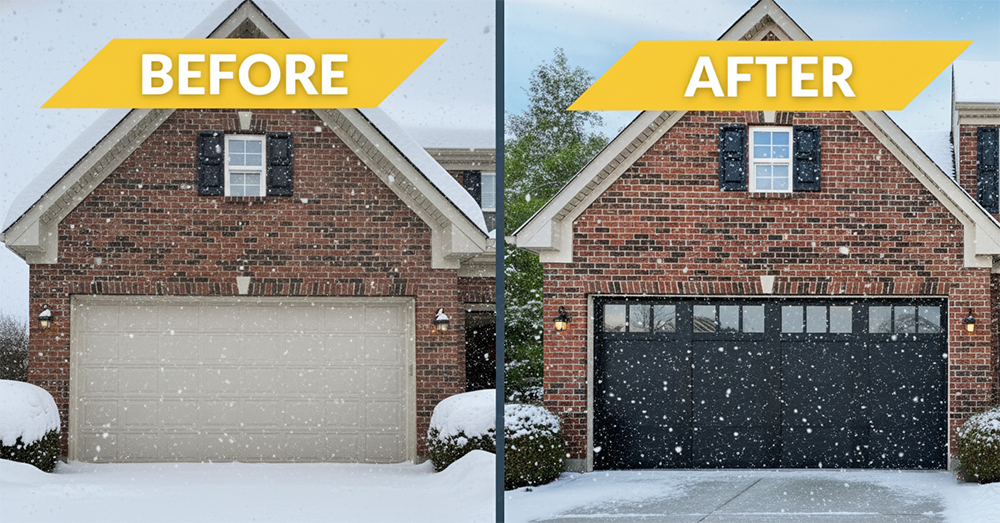
Whether you prefer classic carriage house charm or sleek modern lines, matching your door to your home’s architecture instantly elevates the entire property.
✨ Quick Overview In 2026, residential garage door designs have shifted from purely functional “utility…
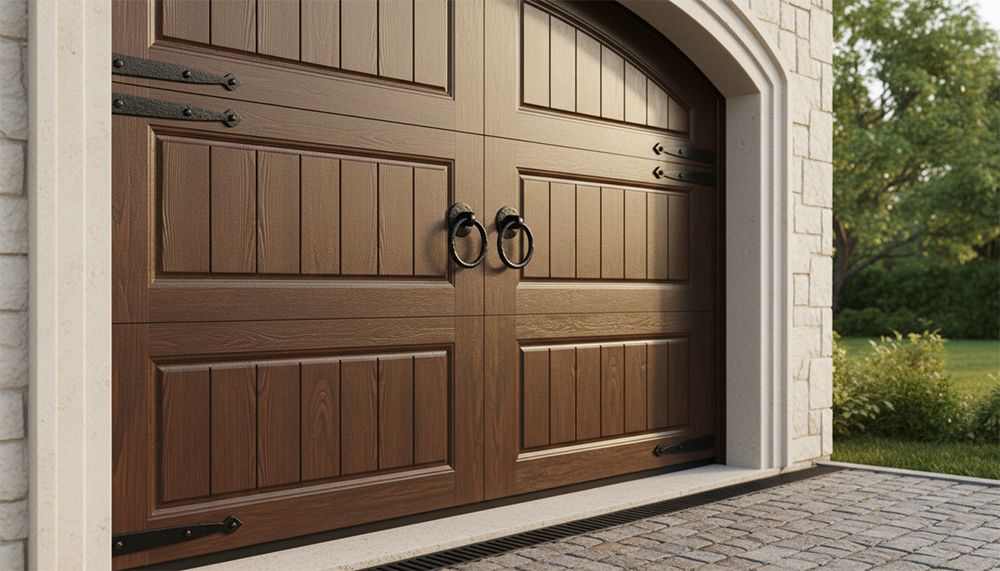
✨ Quick Overview This visual guide, curated by Dmytro Shevchenko, provides a high-definition look at…
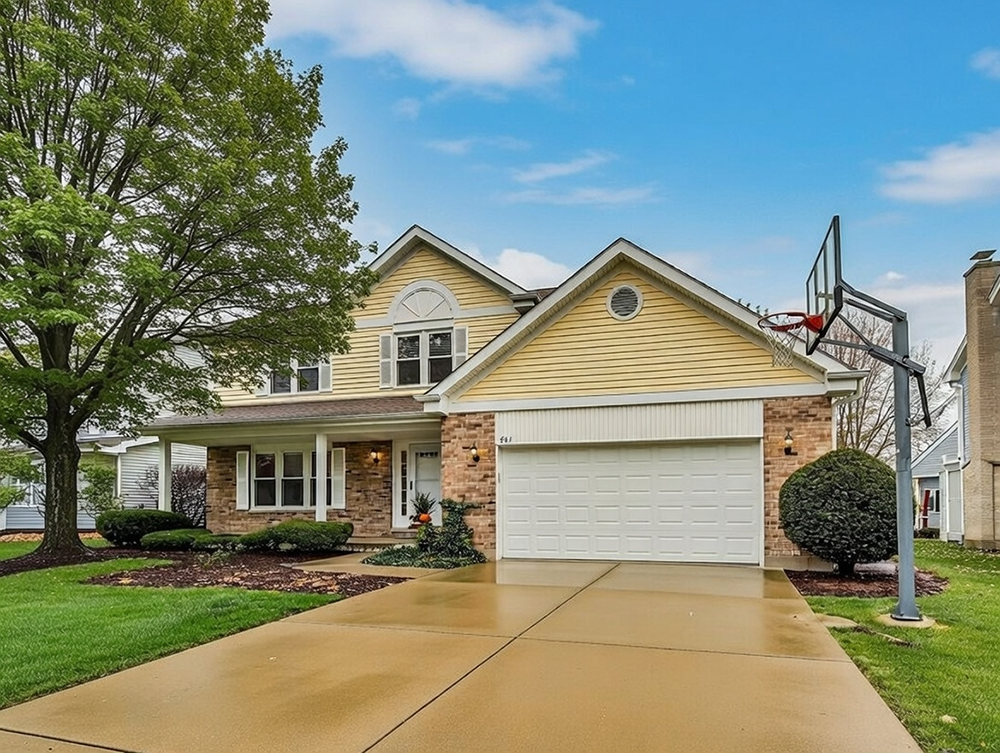
✨ Quick Overview This guide from Prime Garage Door Repair expert, Dmytro Shevchenko, outlines the…
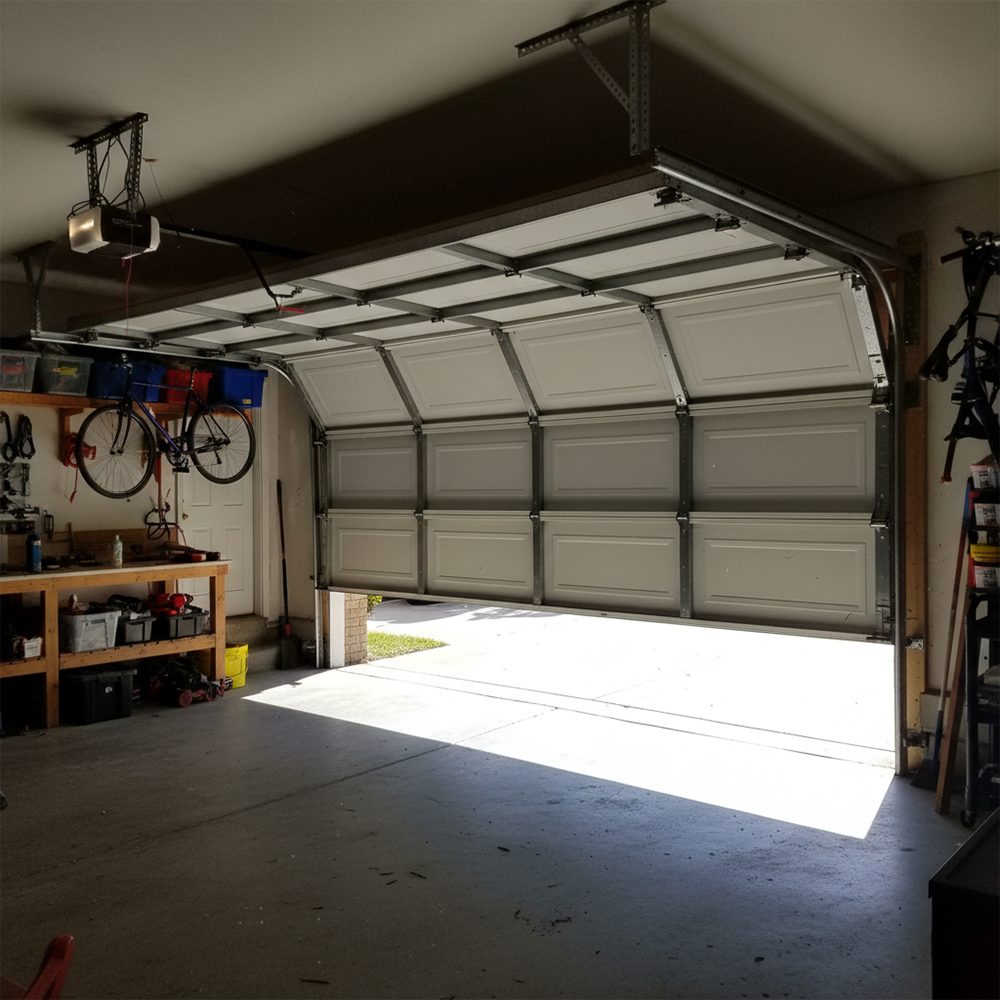
✨ Quick Overview In 2026, the way your garage door moves is just as critical…
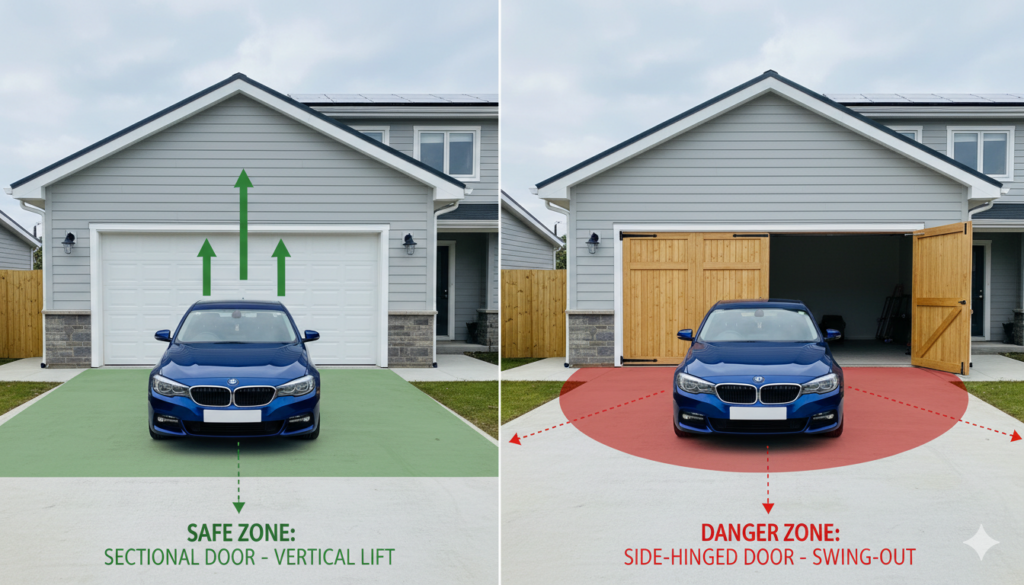
✨ Quick Overview In 2026, while modern trends evolve, traditional garage door styles remain the…
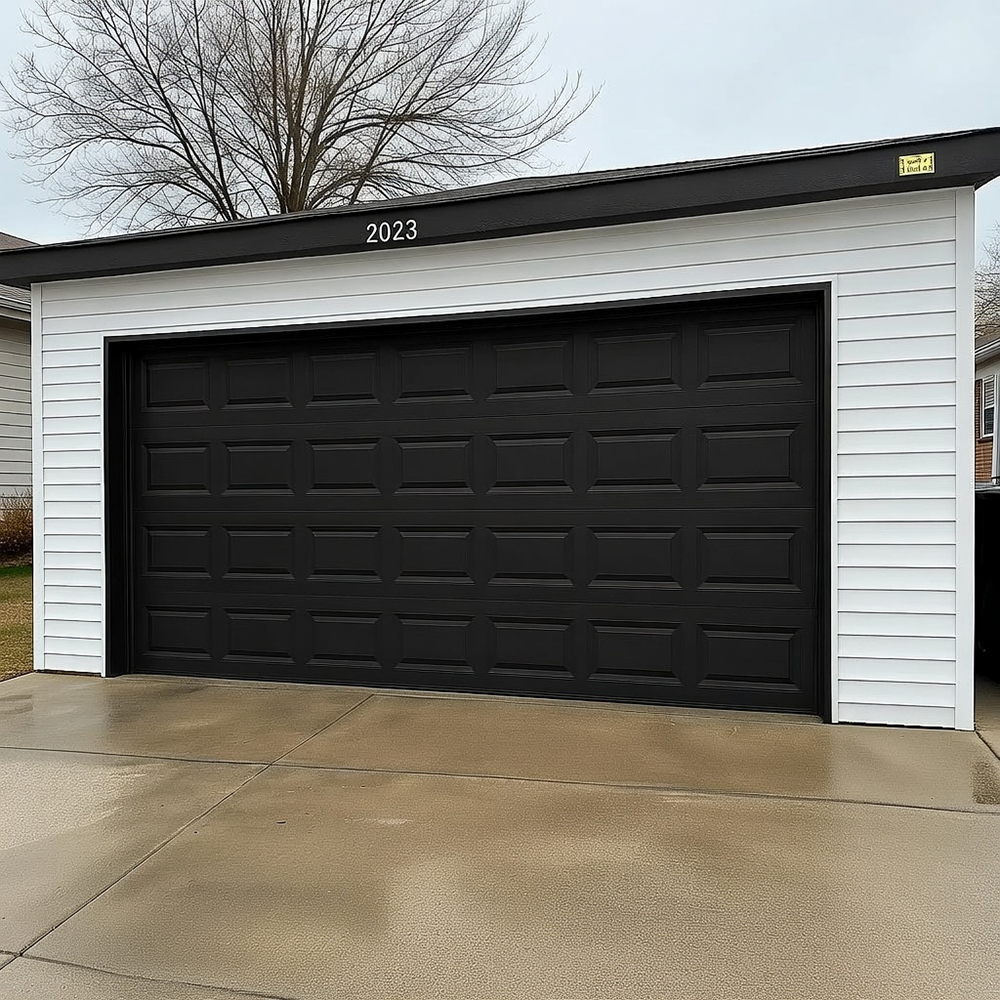
✨ Quick Overview This 2026 guide by Dmytro Shevchenko of Prime Garage Door Repair shifts…
In our region, energy efficiency is non-negotiable. The R-value measures a door’s insulation effectiveness—higher numbers mean better resistance to heat flow. For NW Chicago’s cold winters, I always recommend at least R-12 to R-18 for attached garages.
Here’s a quick reference on common insulation types and R-values:
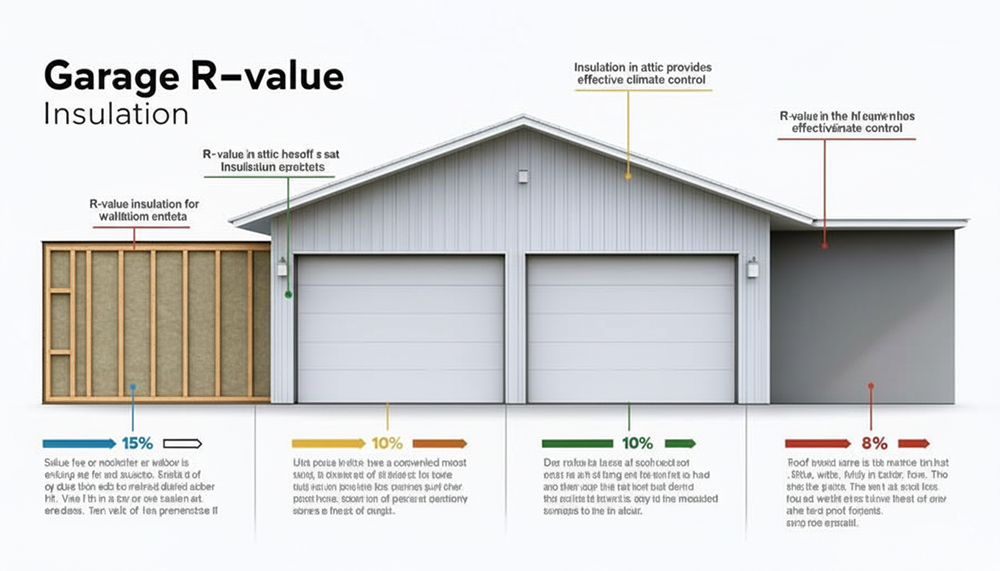
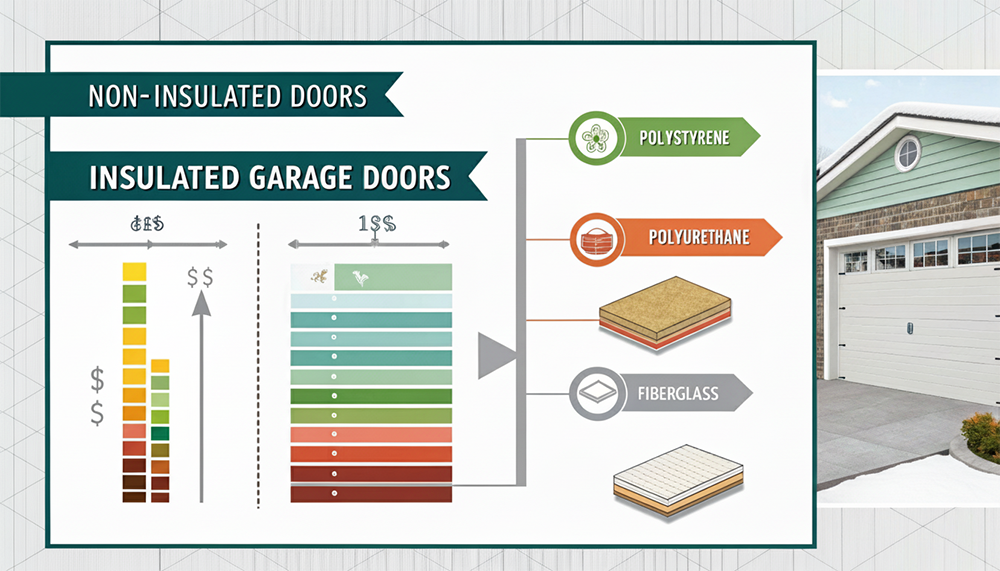
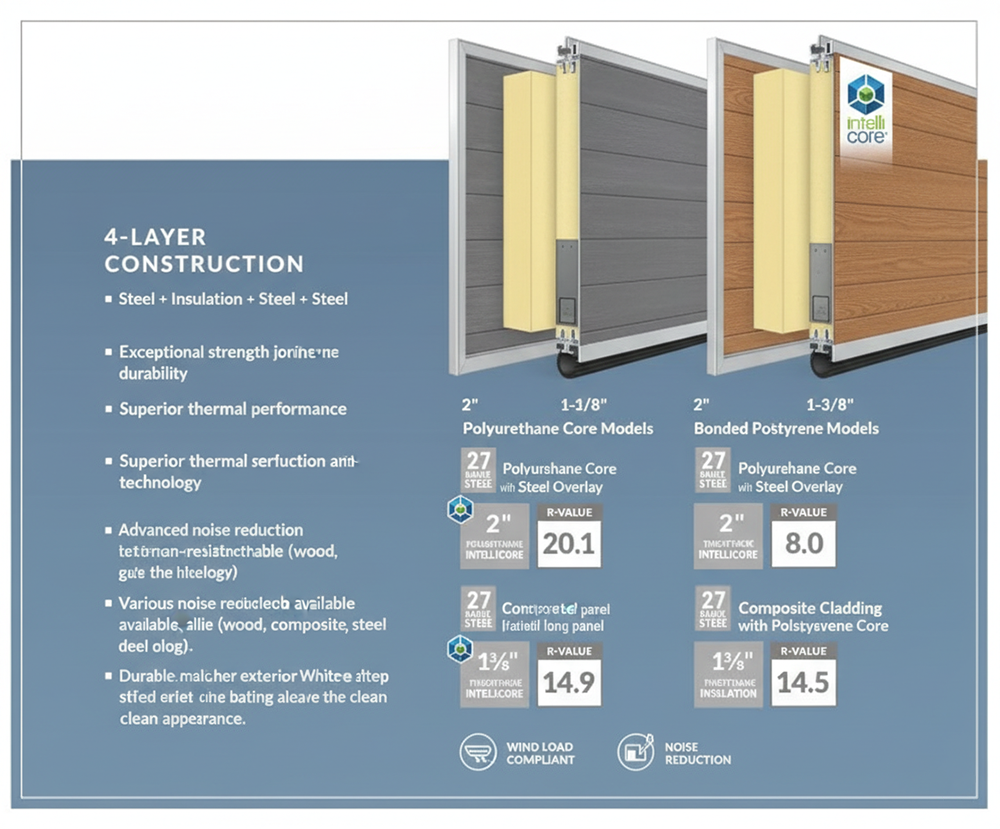
Choosing properly can lower your energy bills and make your garage usable year-round.
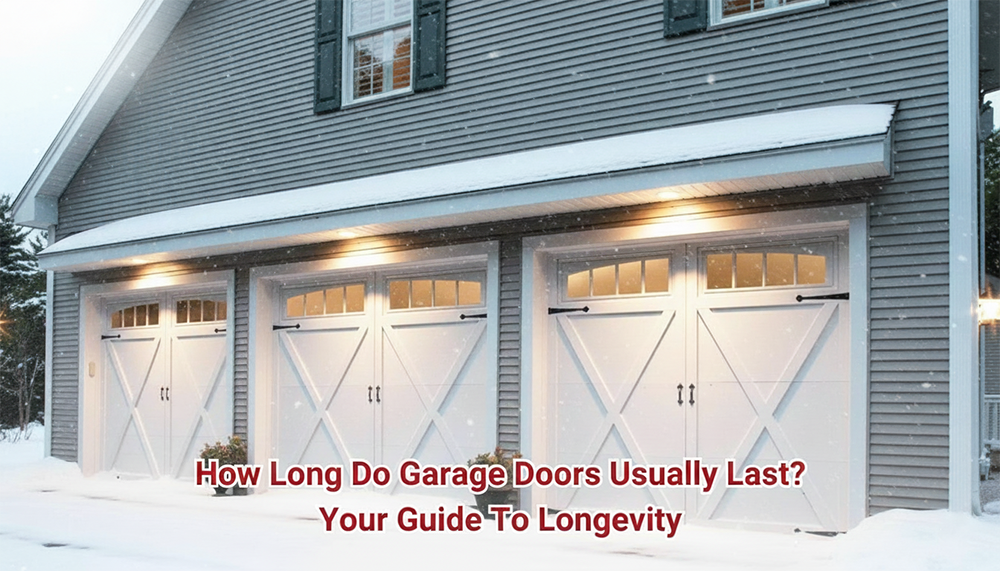
Finally, think long-term. Quality doors from reputable brands like Clopay or Amarr last 20–30 years with proper care, while cheap imports often fail within 5–10.
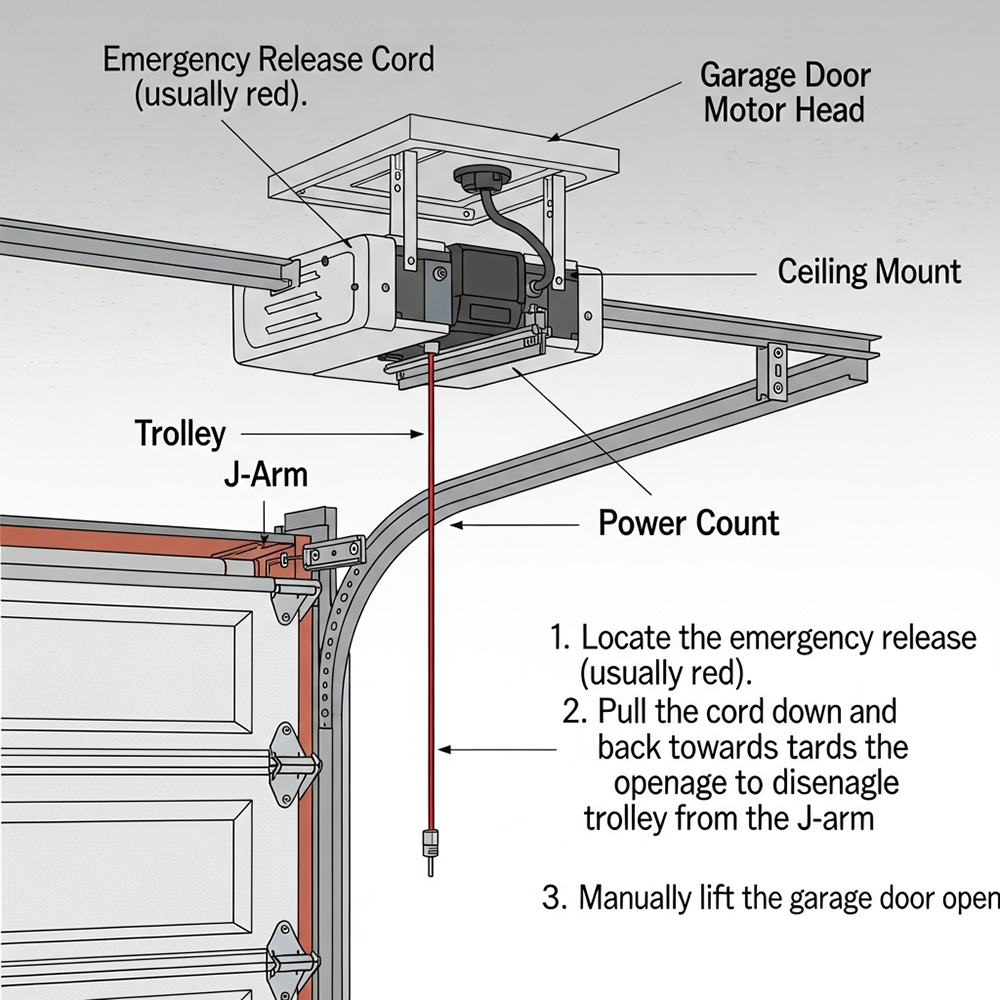
Regular maintenance—lubricating tracks, checking springs, and sealing weatherstripping—extends life significantly. Investing upfront in durable materials and professional installation saves thousands in repairs and replacements over time.
The bottom line: Your garage door options directly impact your home’s comfort, security, appearance, energy costs, and value. Making an informed choice now pays dividends for years to come.
When exploring garage door options, the first big decision is the type of door mechanism. Different types suit different spaces, budgets, and needs—especially in Northwest Chicago homes where garage headroom, driveway length, and weather resistance play major roles.Over my years serving Illinois suburbs like Park Ridge, Des Plaines, and Mount Prospect, I’ve found that about 80–90% of residential installations are sectional doors. They’re reliable, space-efficient, and work well with automatic openers. But other types shine in specific situations. Here’s a breakdown of the main options.
The most popular choice by far. These doors consist of horizontal panels hinged together that roll up on tracks into the ceiling space.
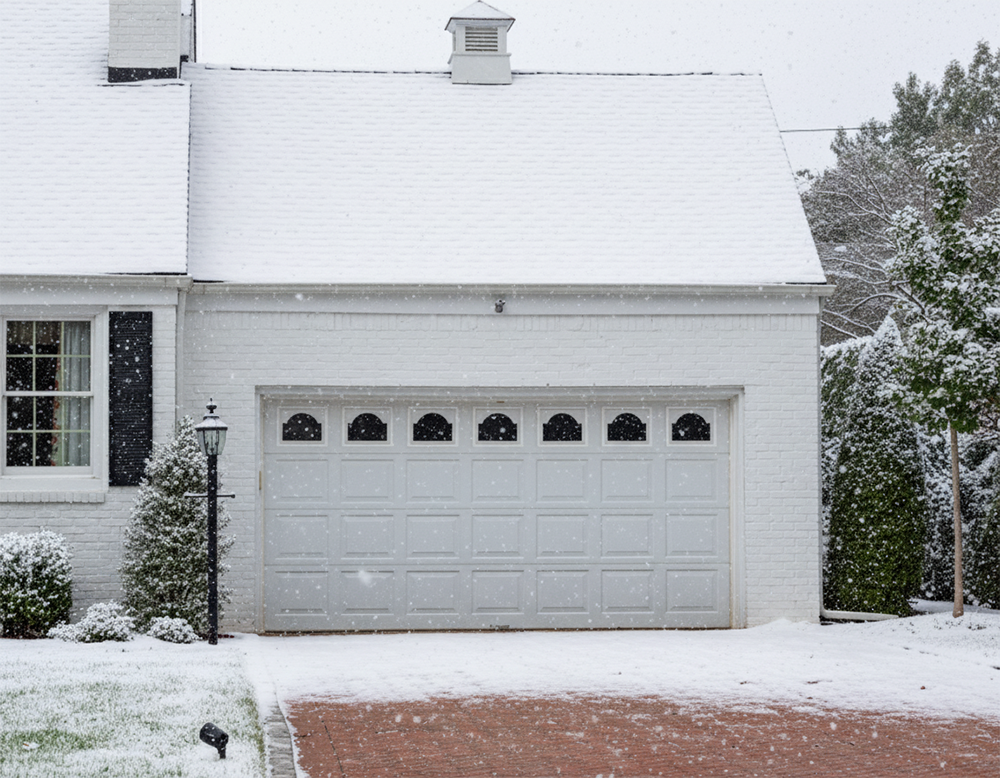
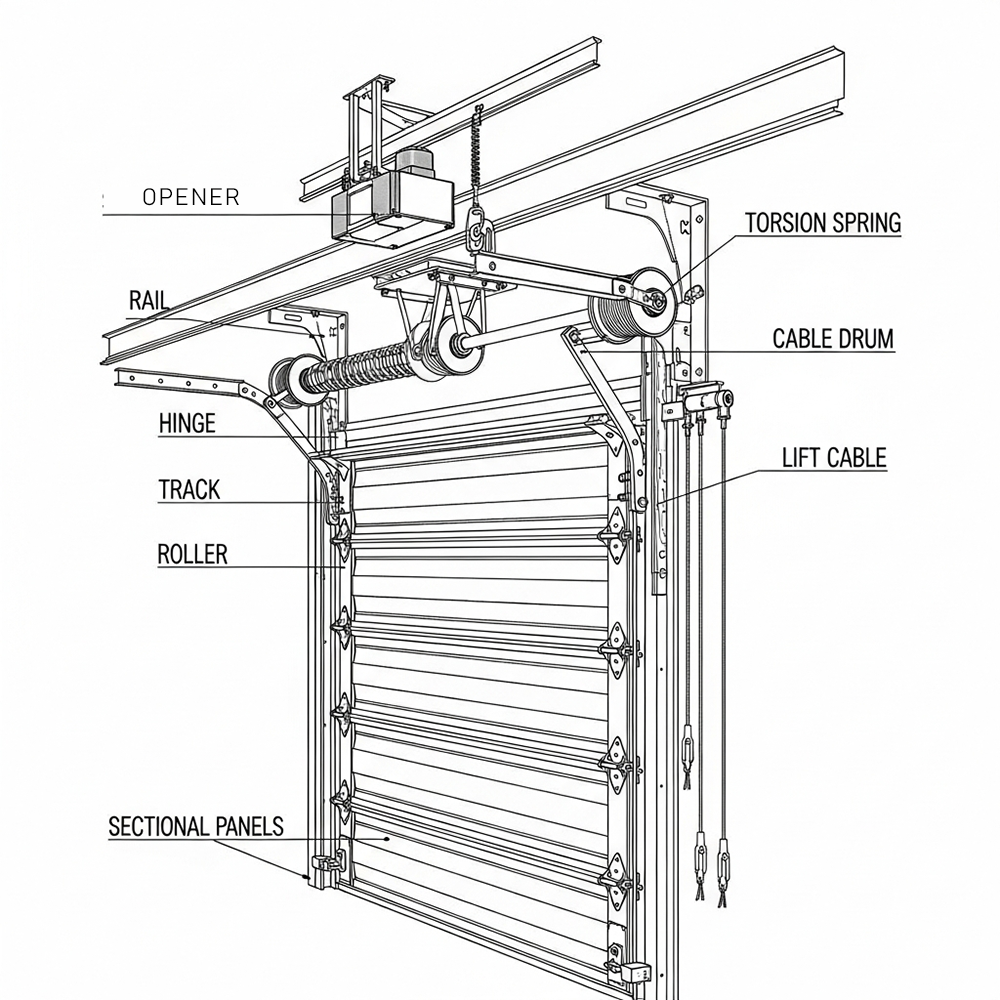
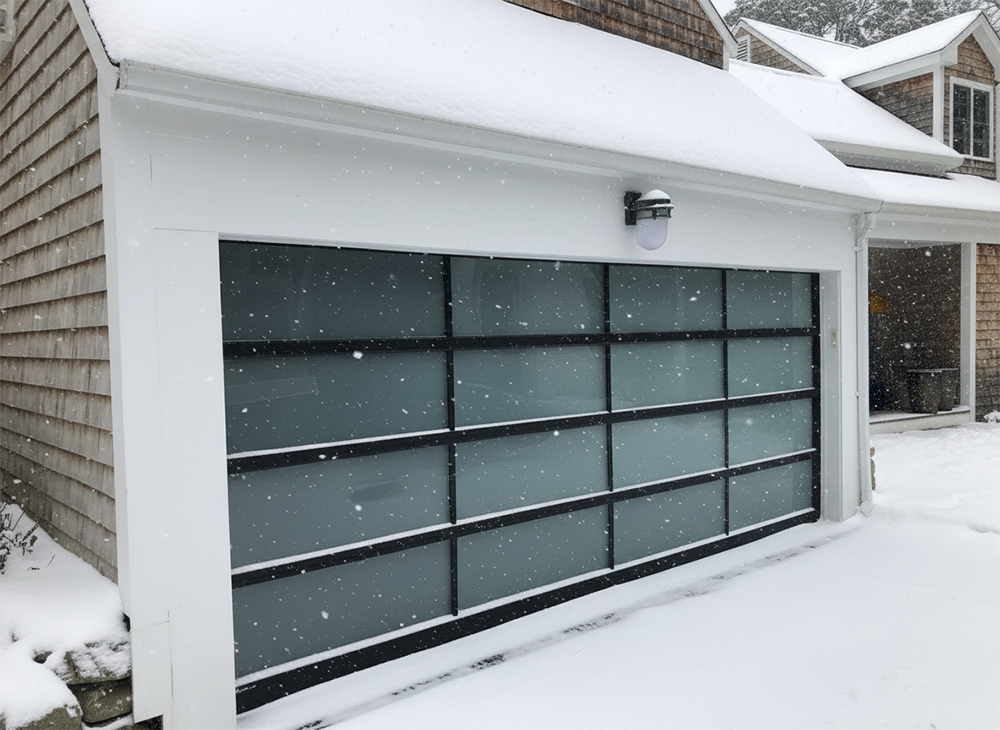
Pros:
Cons:
Best for: Most attached residential garages in NW Chicago. In my experience, sectional doors are my go-to recommendation for 80% of installs due to their balance of performance, cost, and versatility.
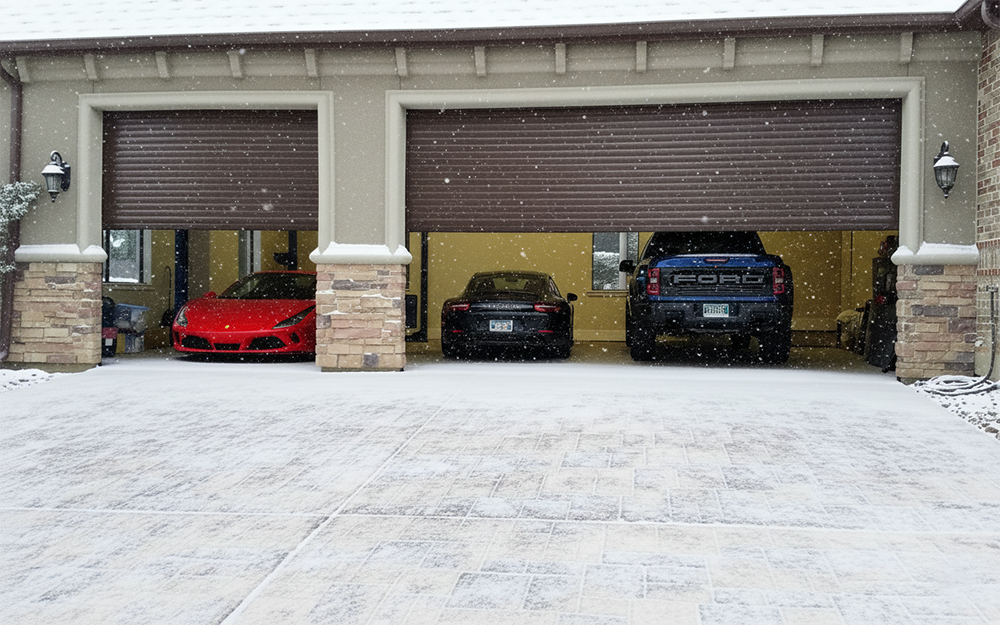
Also called coiling or rolling doors, these roll up into a tight coil above the opening—like a heavy-duty window shade.
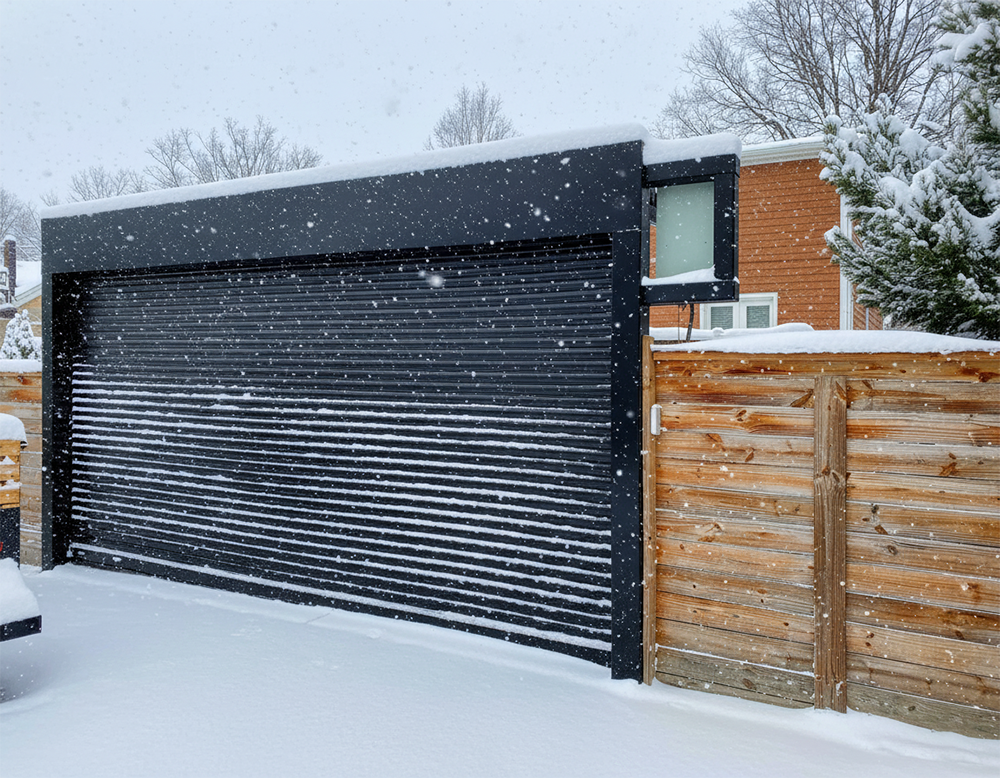
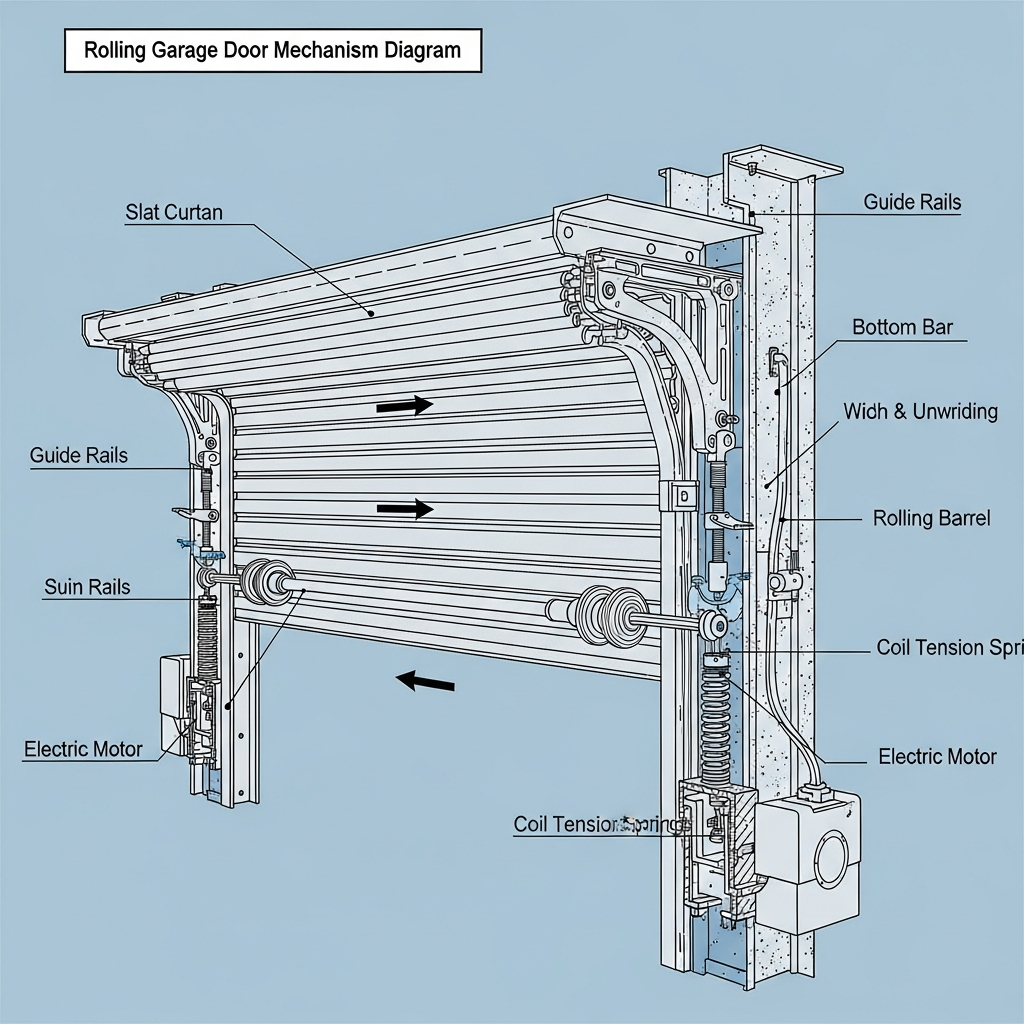
Pros:
Cons:
Best for: Detached garages, commercial-style homes, or spaces with very low ceilings. They’re growing in popularity for modern minimalist designs in newer Chicago-area builds.
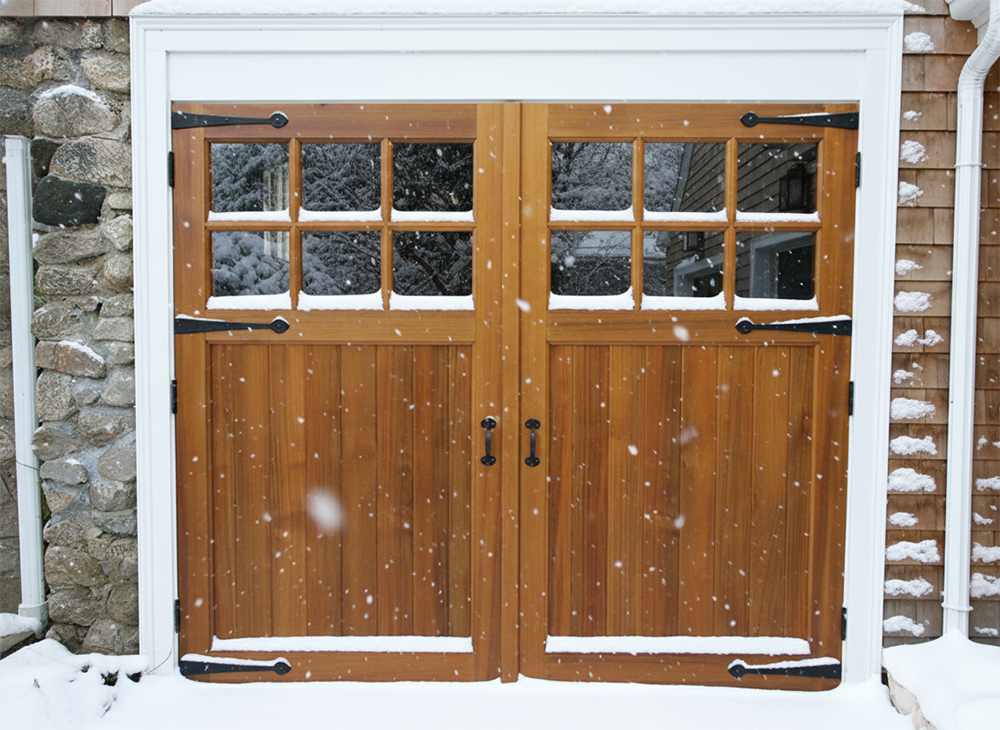
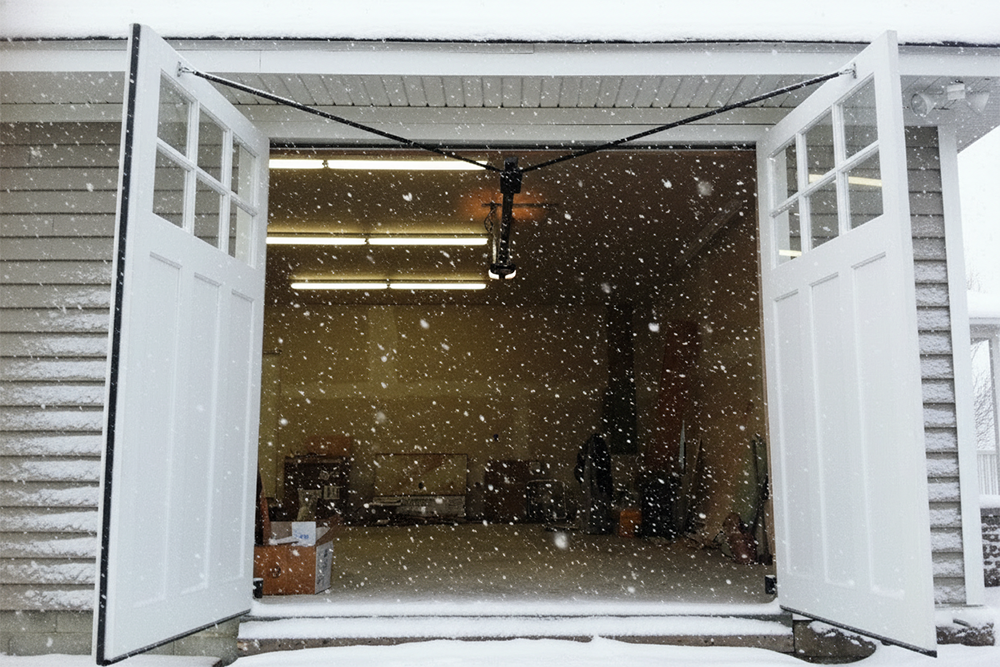
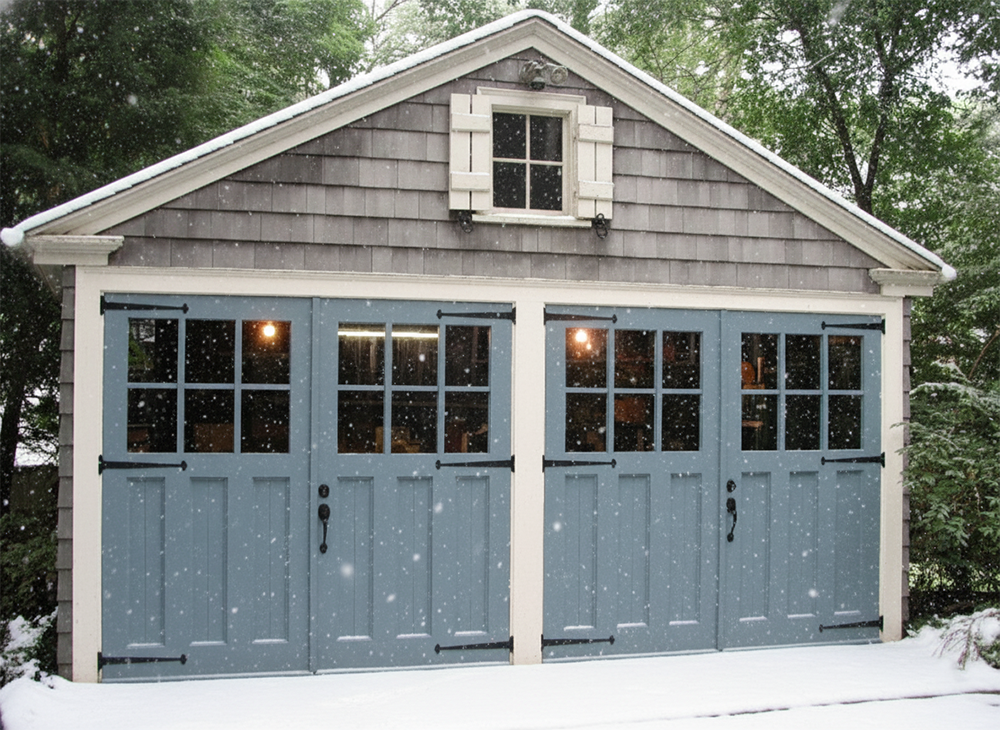
Classic hinged doors that swing outward like traditional barn doors. Often styled to look like old carriage houses.
Pros:
Cons:
Best for: Historic homes or properties with long driveways. Many clients opt for sectional doors styled to look like carriage doors instead—same charm, better functionality.
These doors slide horizontally along the inside wall of the garage on a bottom track.
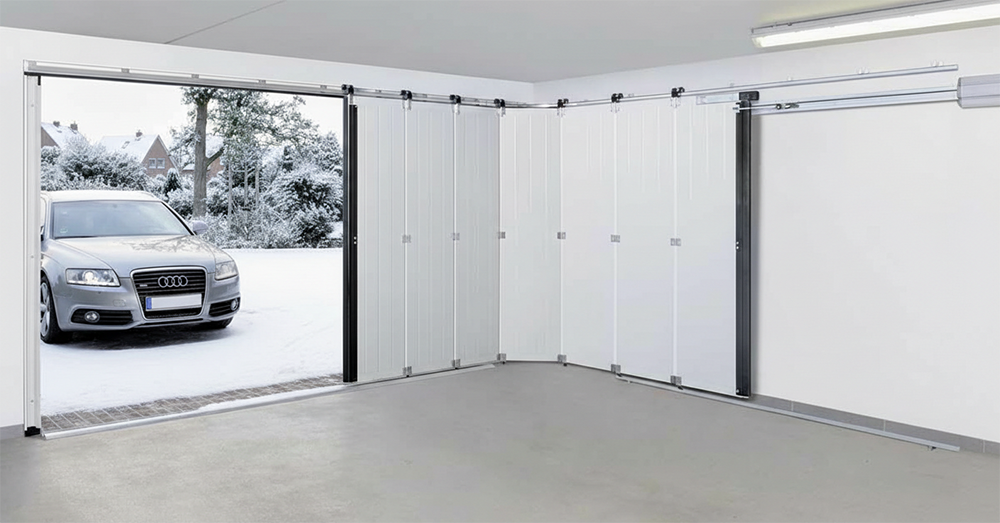
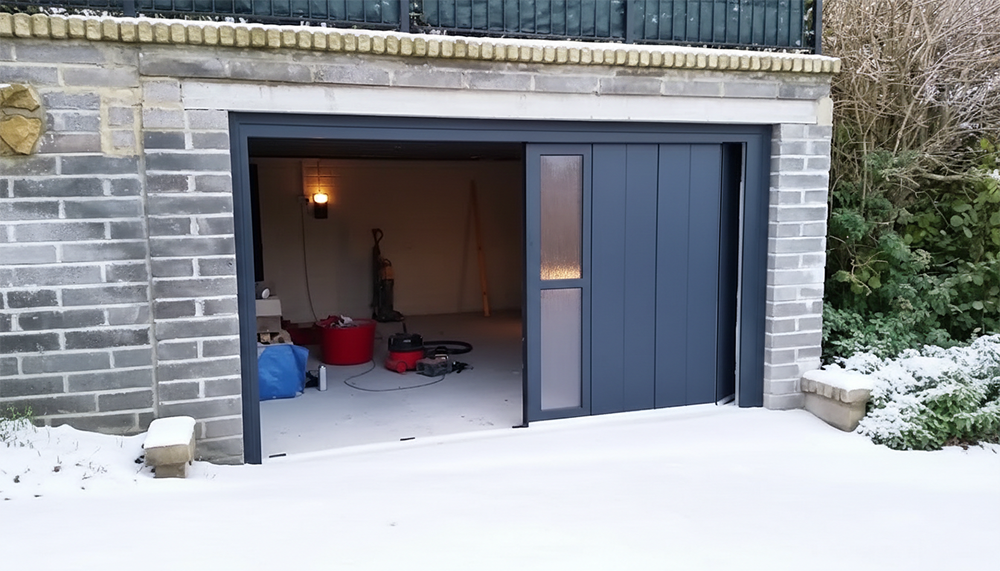
Pros:
Cons:
Best for: Garages with vaulted ceilings or limited overhead space. I install these occasionally for custom modern homes in the area.
One-piece doors that tilt upward. Canopy style protrudes outward when open; retractable fully retracts into the garage.
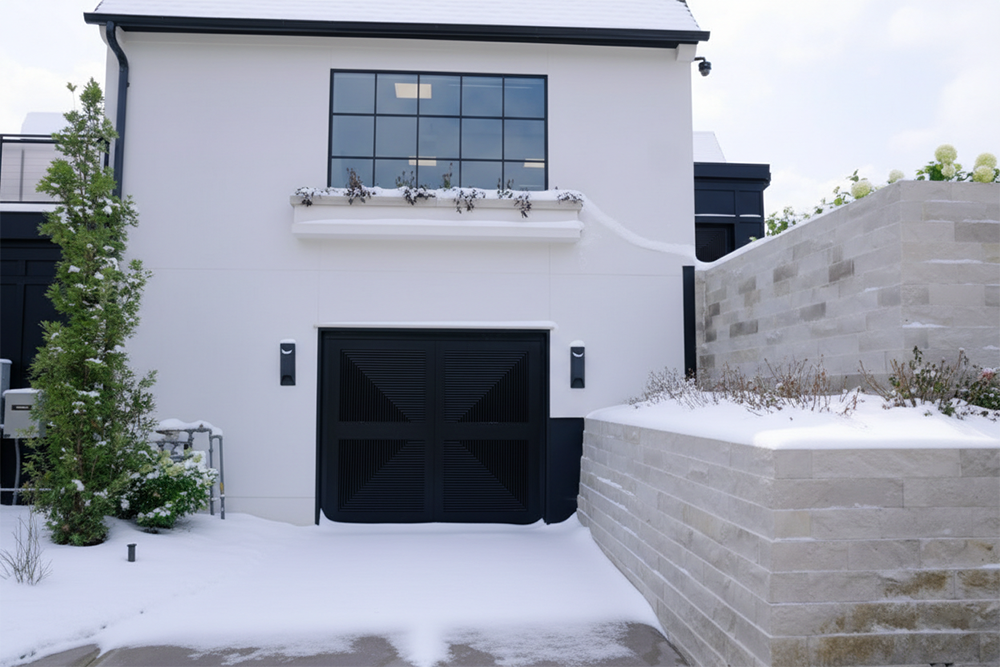
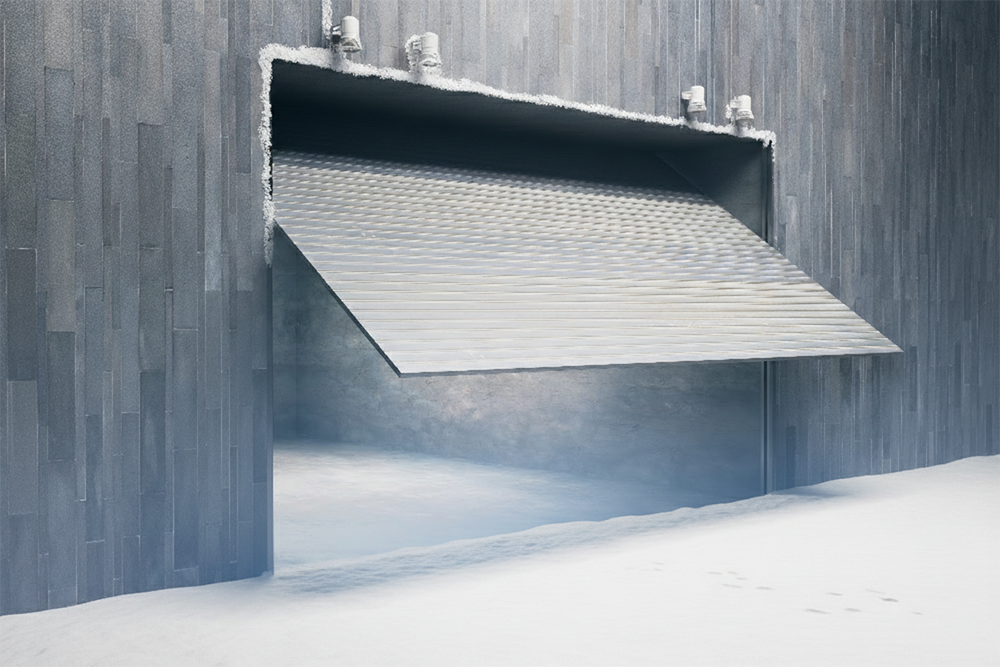
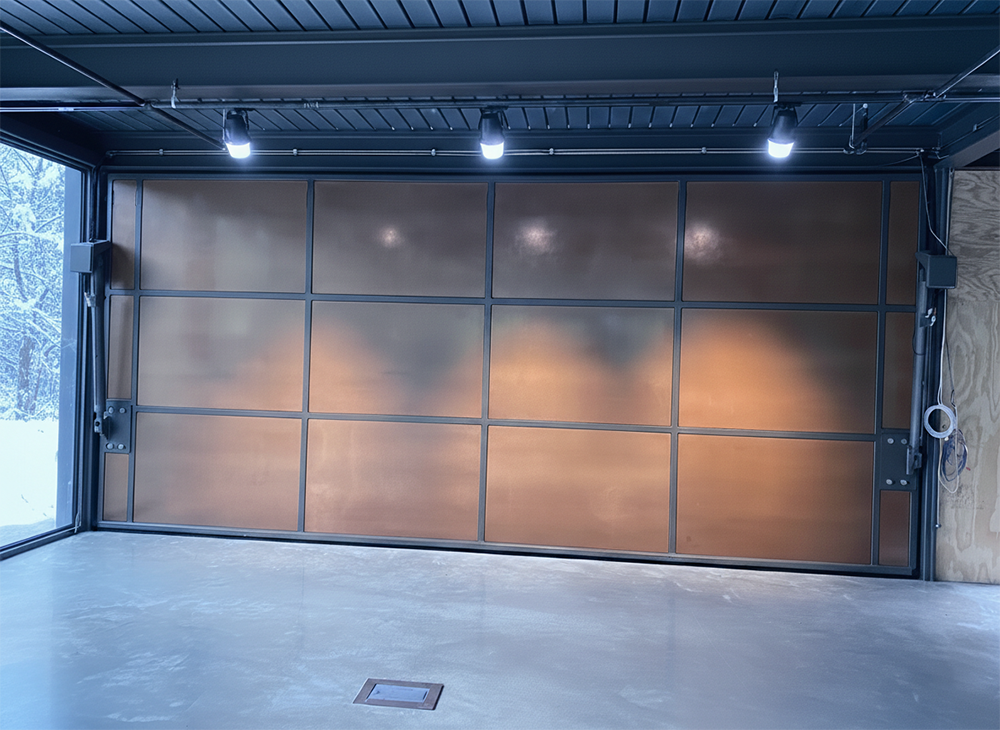
Pros:
Cons:
Best for: Older homes or budget replacements, though they’re becoming rarer in new installations.Understanding these core types helps narrow down your garage door options quickly. For more details, check out our in-depth guides on Types of Garage Doors, Different Types of Garage Doors, Residential Garage Door Types, and What Are the 5 Types of Garage Doors.
Once you’ve decided on the type of garage door, the style becomes the fun part—it’s what gives your home personality and instantly boosts curb appeal. In Northwest Chicago’s diverse neighborhoods, from classic bungalows in Park Ridge to modern builds in Des Plaines, I’ve helped homeowners choose styles that complement their architecture while standing up to our tough weather.
As an authorized Amarr and Clopay dealer in Illinois, I recommend these brands time and again for their quality craftsmanship and warranty support right here in the Chicago area. Here’s a look at the most popular garage door styles in 2026.
The timeless classic that never goes out of fashion. Raised panel doors feature rectangular or square panels that add depth and elegance, often mimicking historic designs.
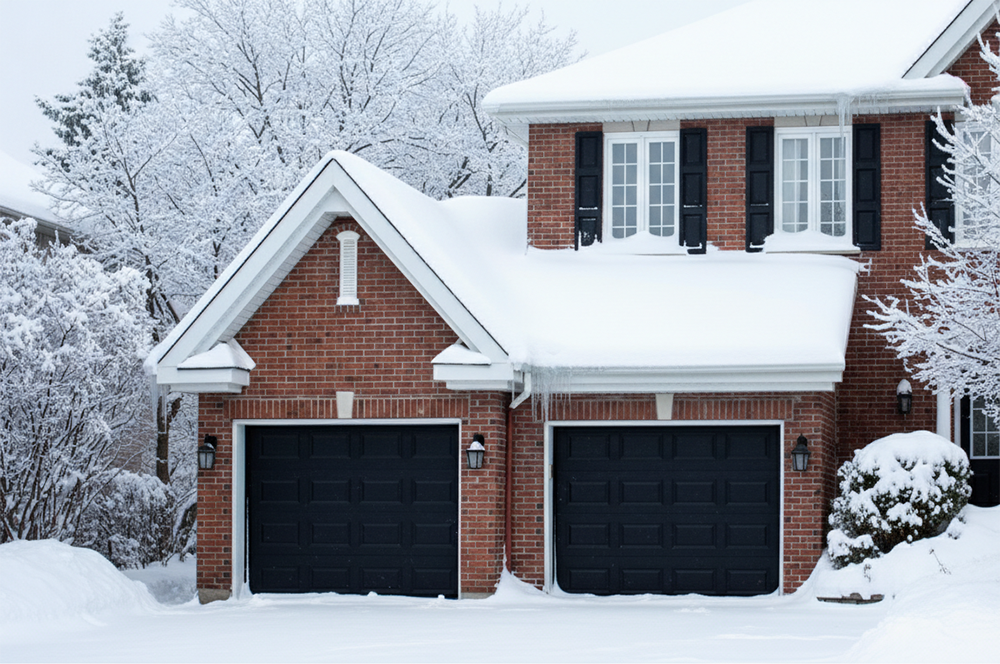
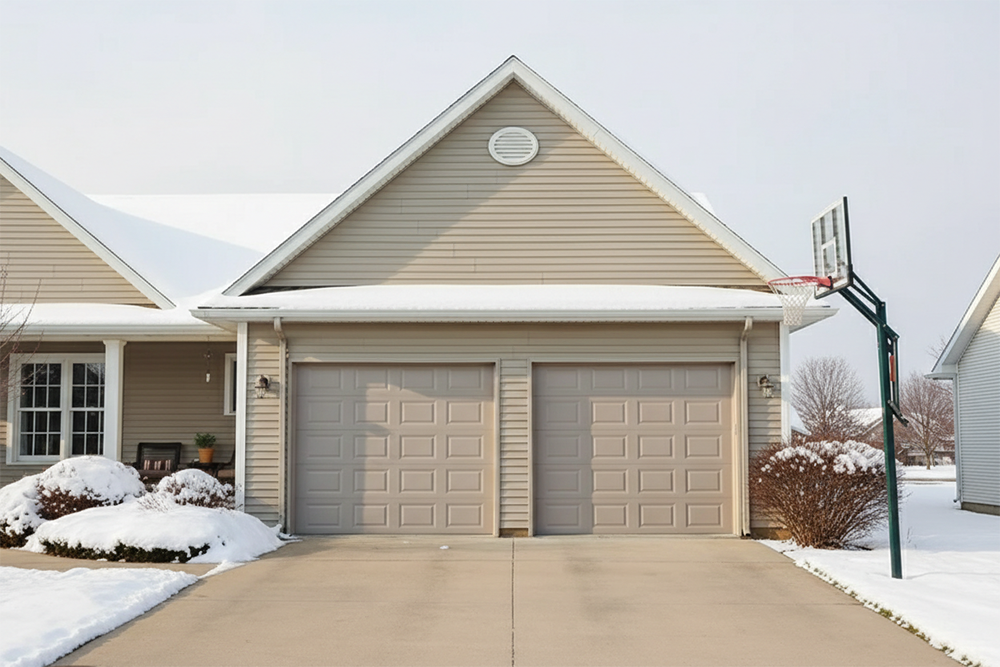
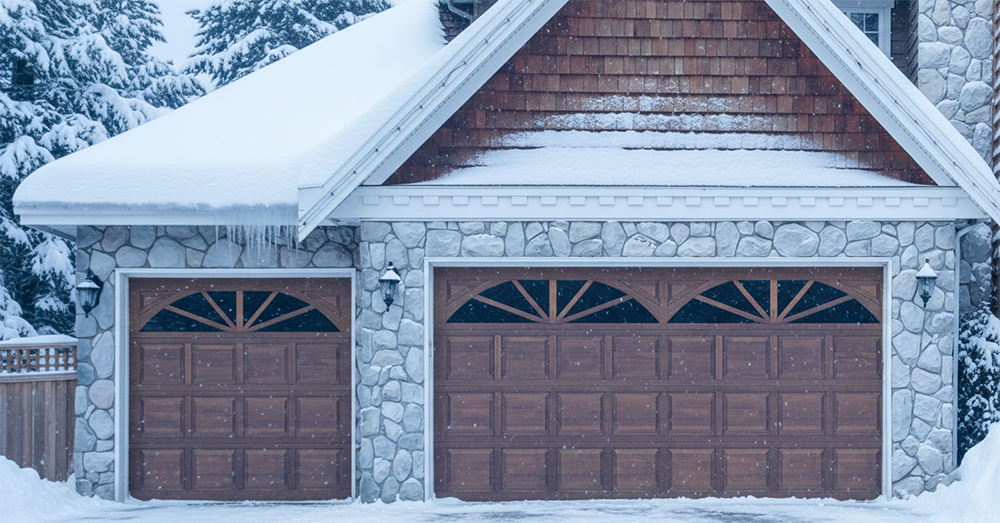
Why it’s popular: Versatile—fits colonial, ranch, or traditional homes perfectly. Available in short or long panels, with options for windows at the top.
Chicago tip: In older suburbs like Niles or Evanston, this style blends seamlessly with brick facades. I often suggest white or almond for a clean, classic look.
For more inspiration, see our guide on [Traditional Garage Door Styles].
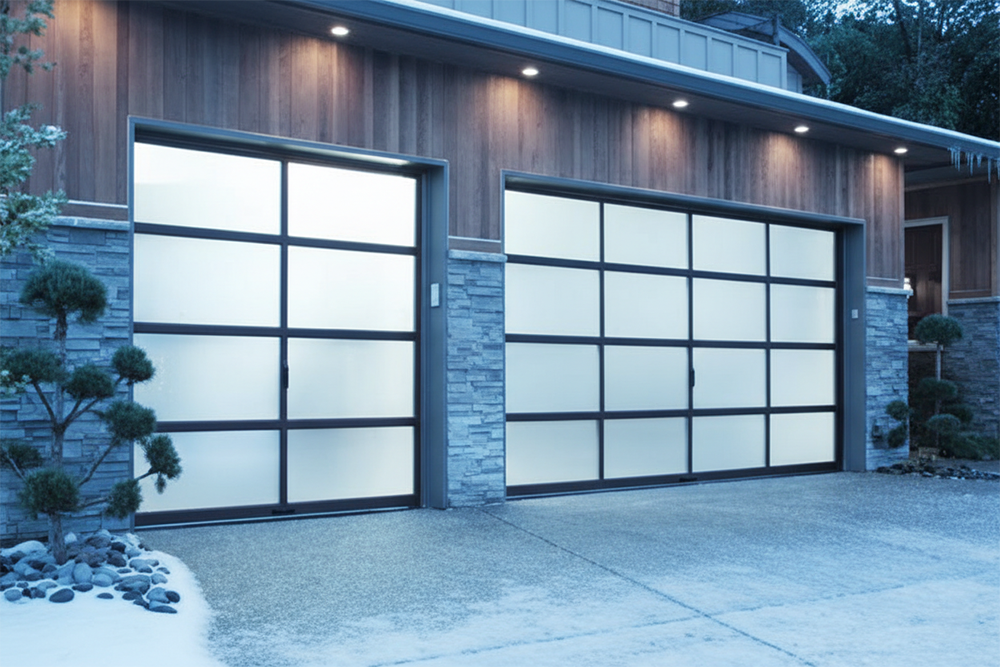
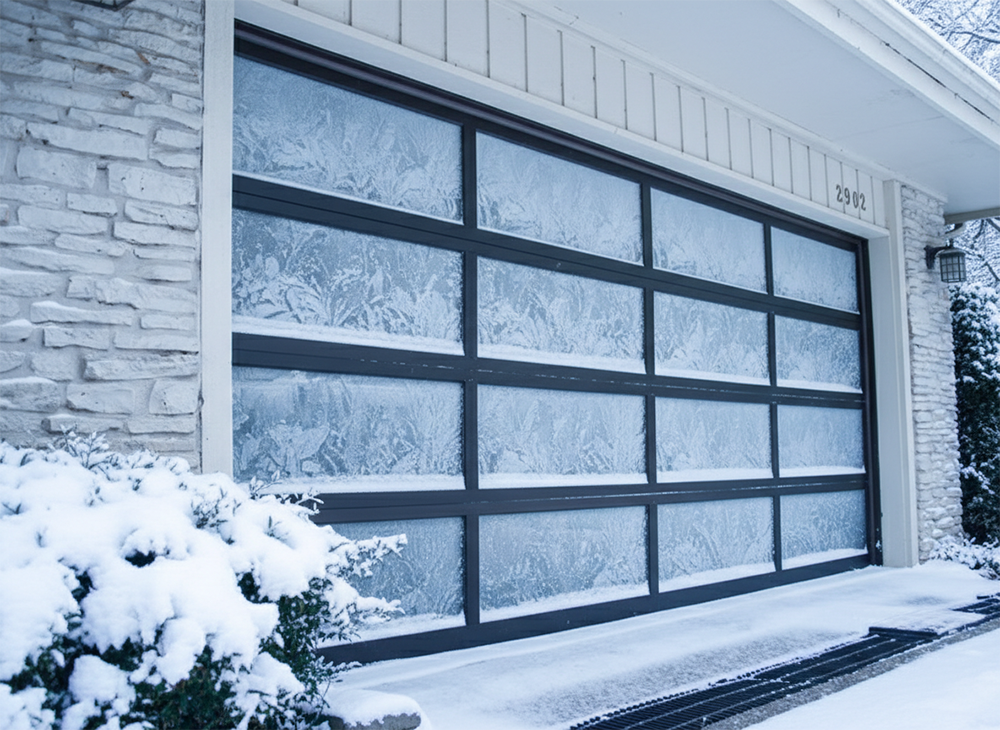
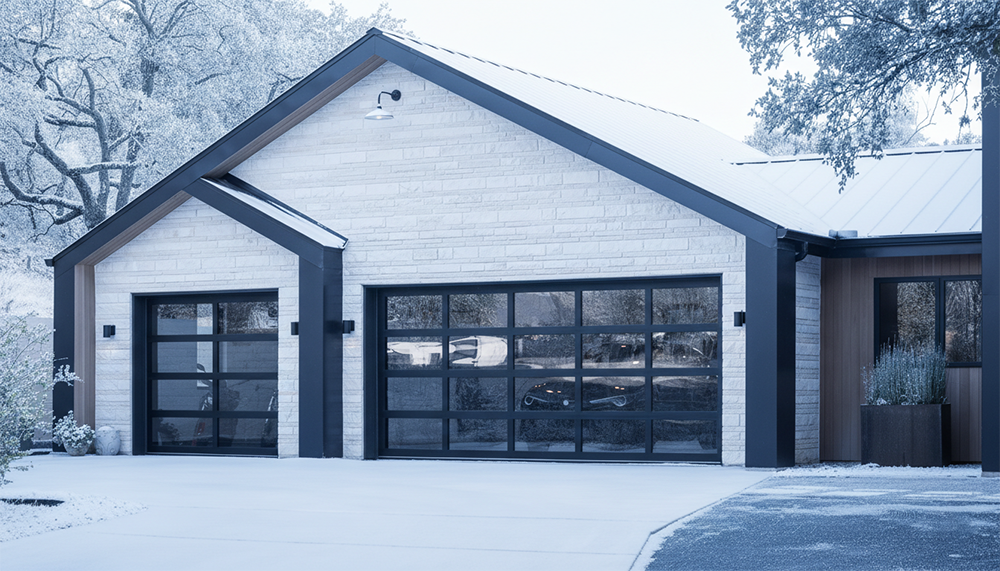
Sleek, minimalist designs with full-view glass panels framed in aluminum. Frosted, tinted, or clear glass lets in natural light while maintaining privacy.
Why it’s popular: Perfect for modern homes, allowing the garage to feel like an extension of living space.
Chicago tip: Great for attached garages used as workshops—I’ve installed Clopay Avante models that flood the space with light even on cloudy days.
Explore more in our article on New Style Garage Doors.
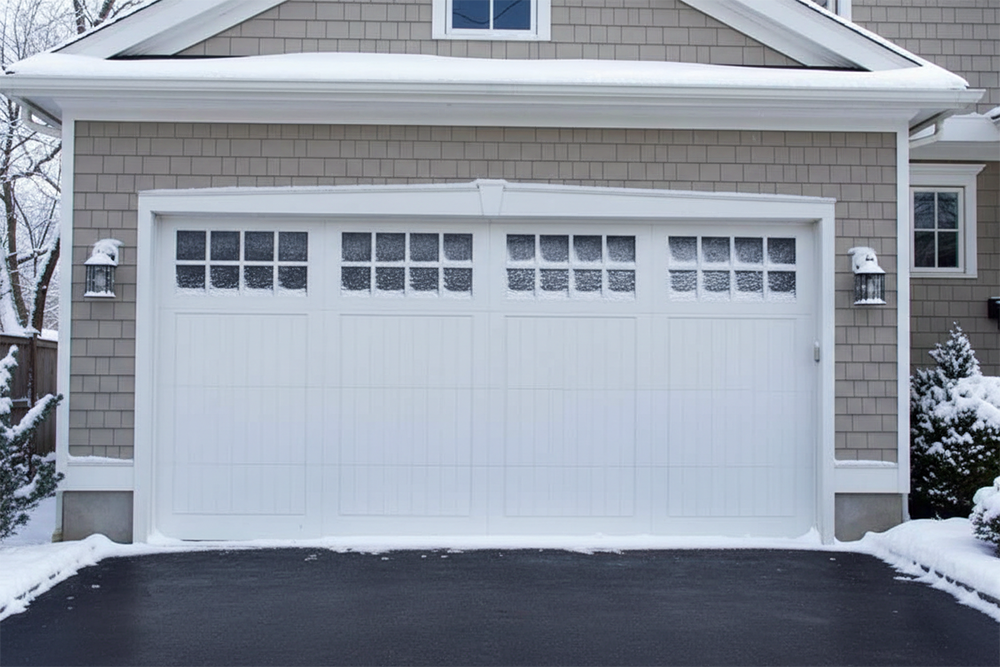
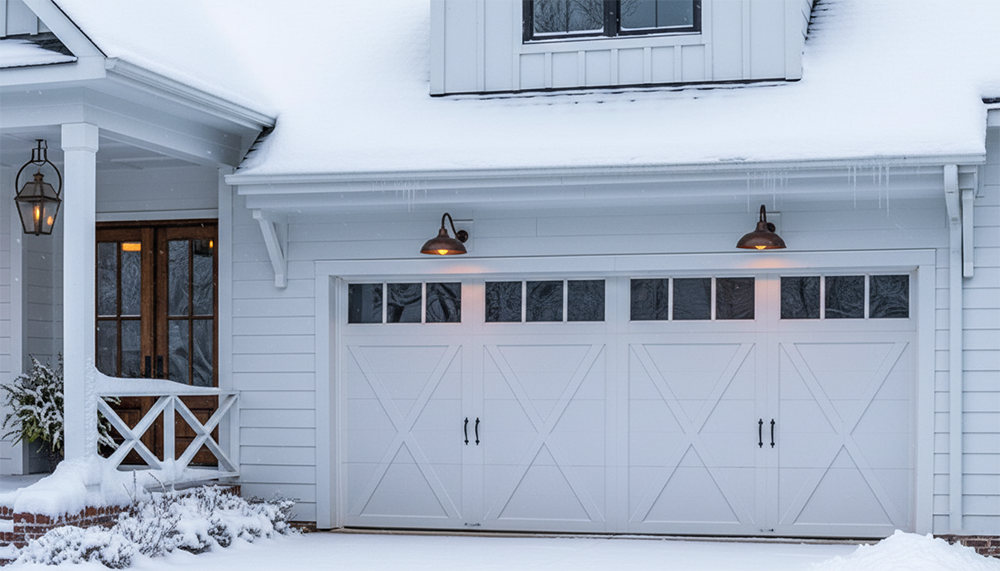
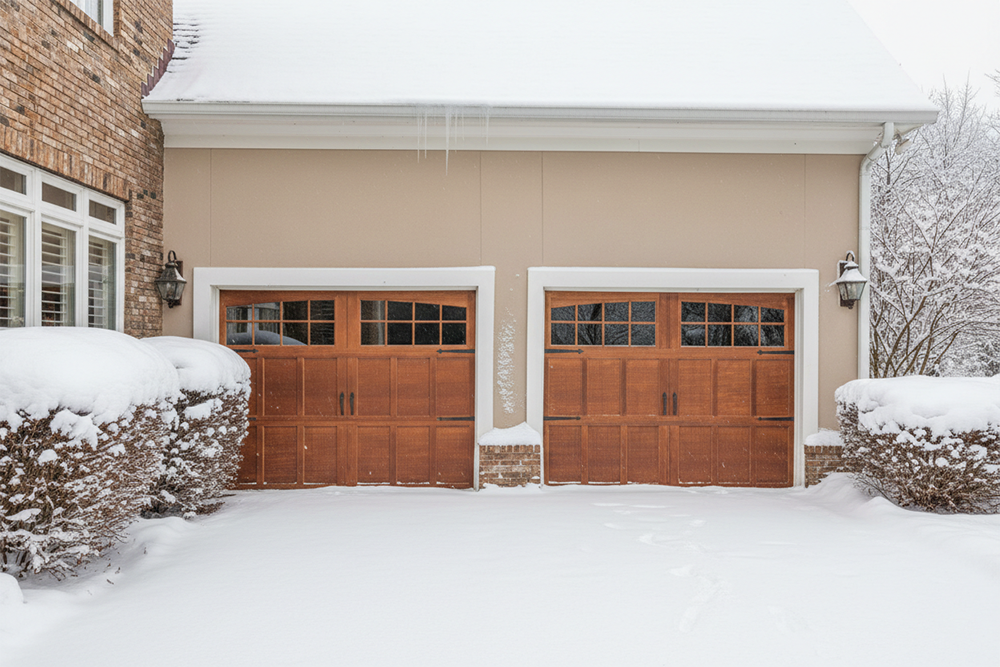
Inspired by old swing-out barn doors, but built as modern sectional doors. Features decorative hardware, crossbeams, and arched windows for rustic charm.
Why it’s popular: Huge ROI—transforms ordinary homes into storybook cottages.
Chicago tip: Extremely popular in historic areas—Amarr’s carriage collection holds up beautifully against snow and salt.
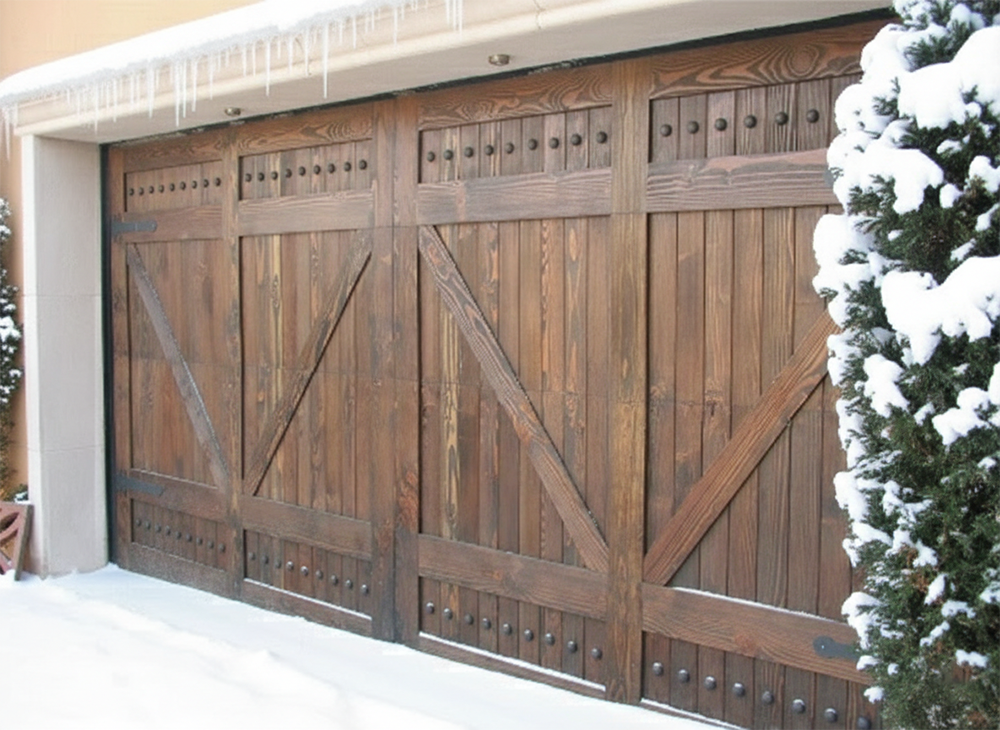
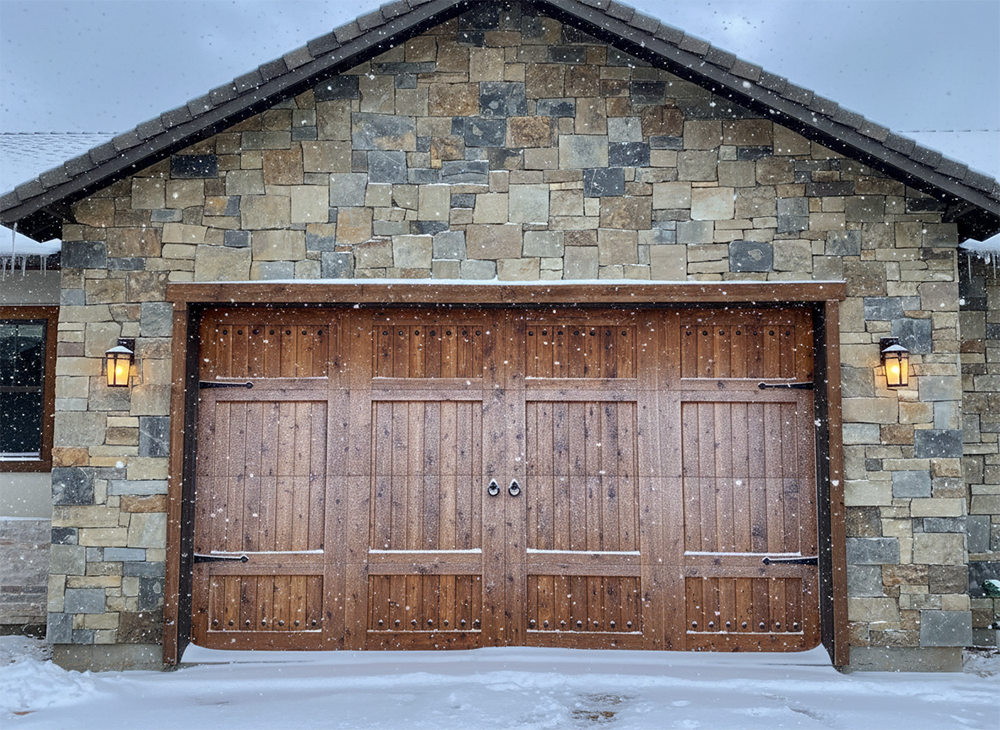
Genuine wood or composite doors with natural grain textures, often stained in rich tones for a warm, organic feel.
Why it’s popular: Adds luxury and warmth, especially for craftsman or farmhouse-style homes.
Chicago tip: I recommend composite wood-look for low maintenance—looks authentic without the upkeep.
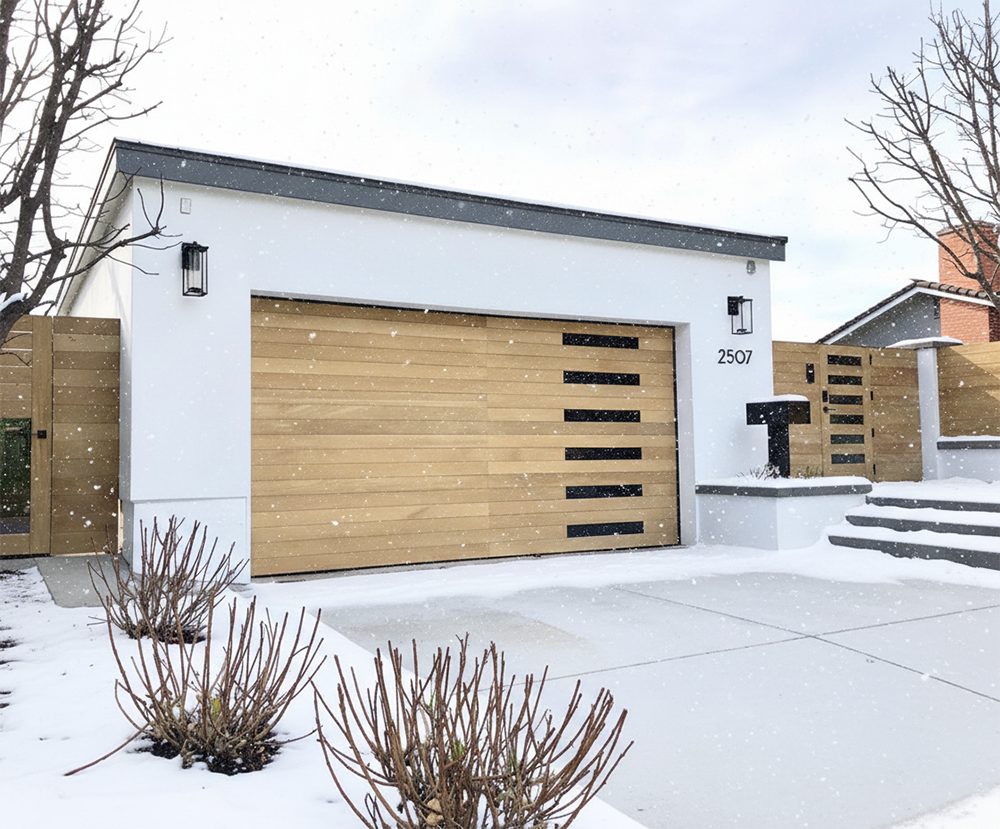
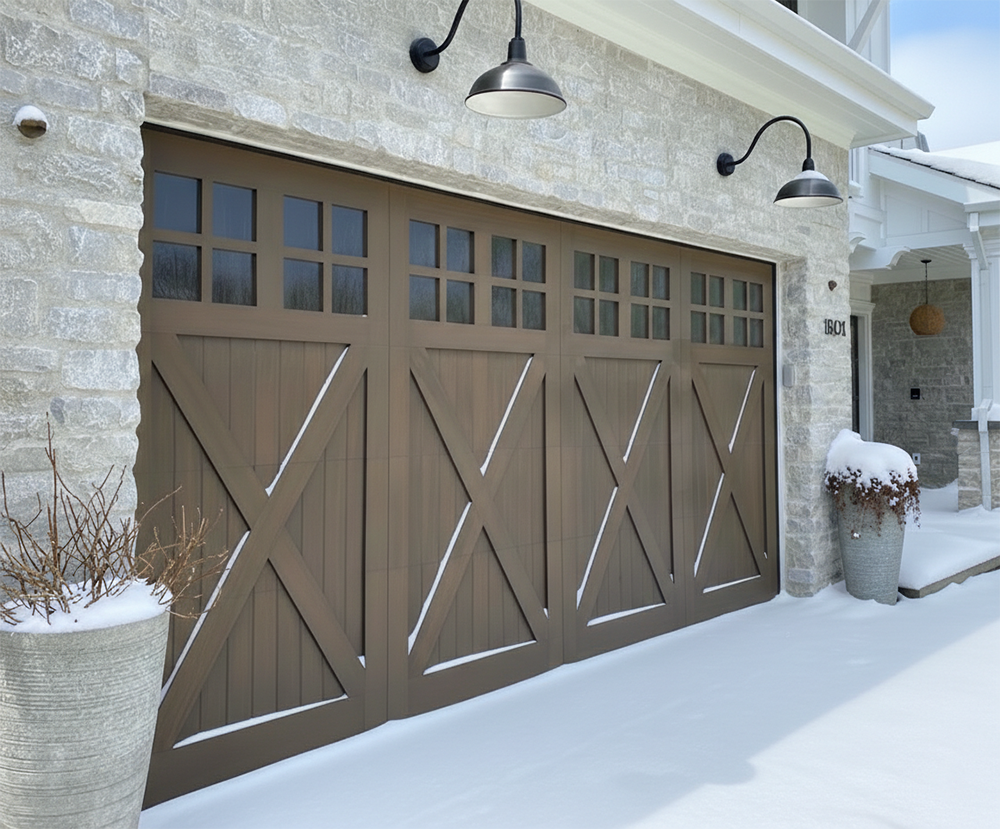
Anything beyond standard—unique panel layouts, mixed materials, artistic inserts, or fully bespoke builds.
Why it’s popular: Makes your home truly one-of-a-kind.
Chicago tip: Custom accents like black hardware on white doors are trending big in 2026.
Looking ahead, homeowners in NW Chicago are embracing:
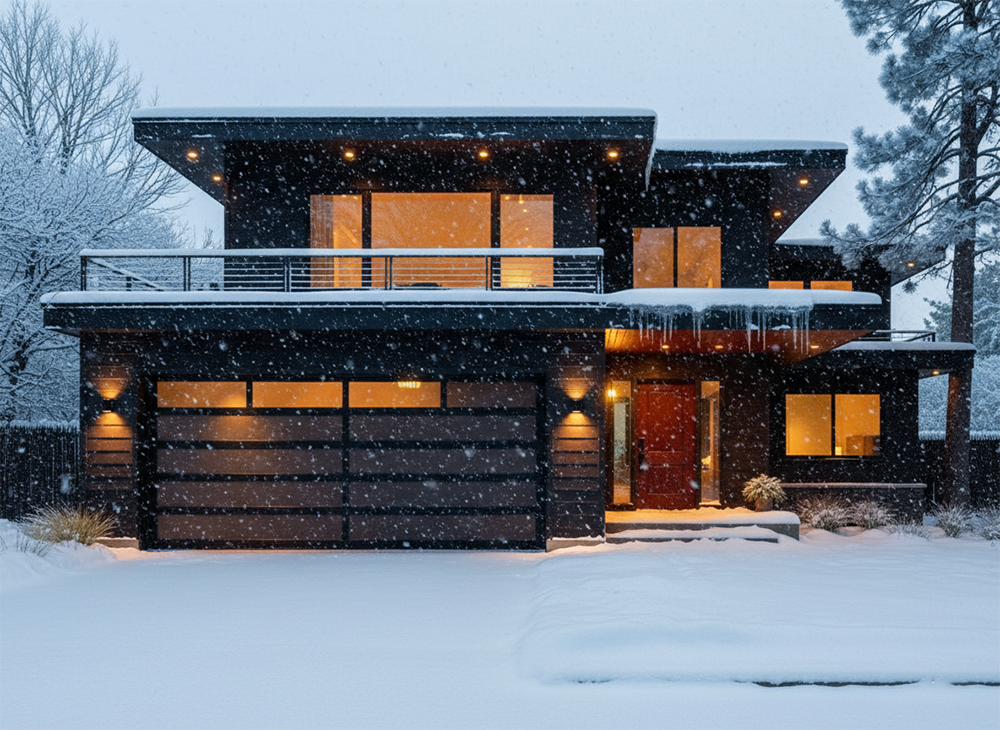
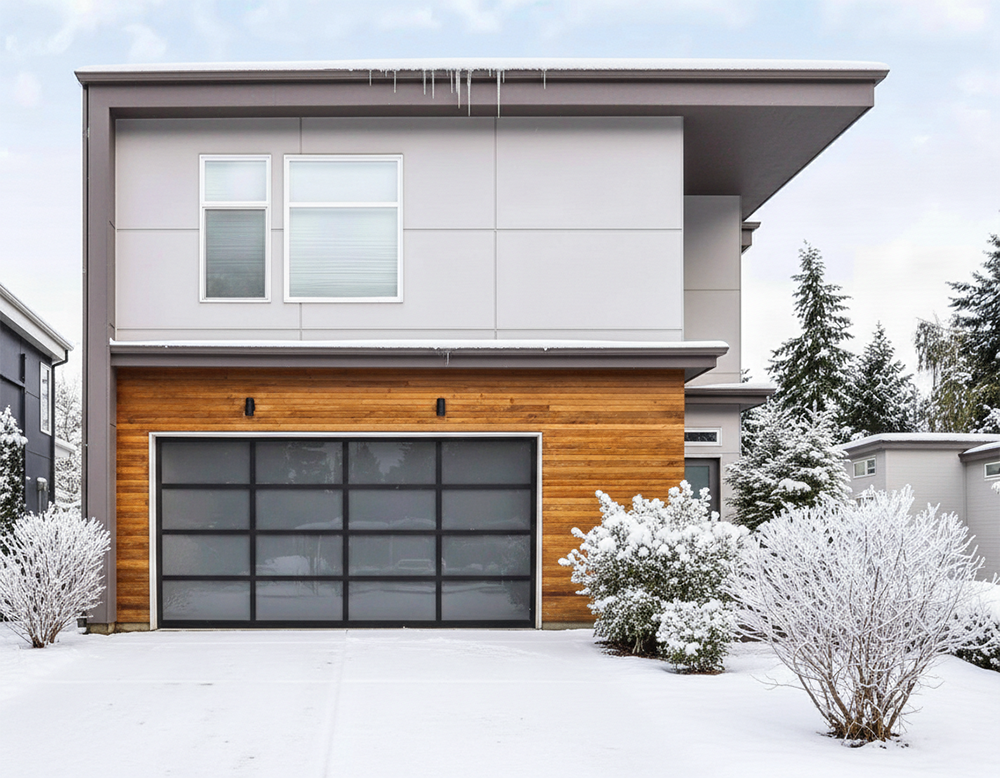
The right style not only enhances beauty but ties your garage door options together perfectly. Dive deeper with our guides on [Garage Door Designs], Different Styles of Garage Doors, and Style Garage Doors.
The material you choose for your garage door affects everything: durability, insulation, maintenance, appearance, and cost. In Northwest Chicago’s extreme weather—freezing winters with road salt, humid summers, and occasional high winds—the wrong material can lead to rust, warping, fading, or premature failure.
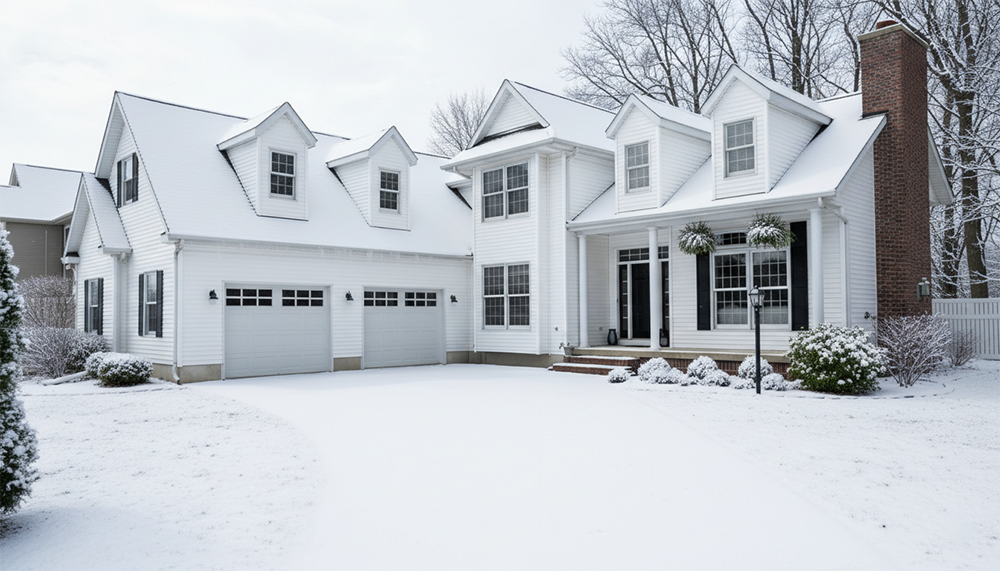
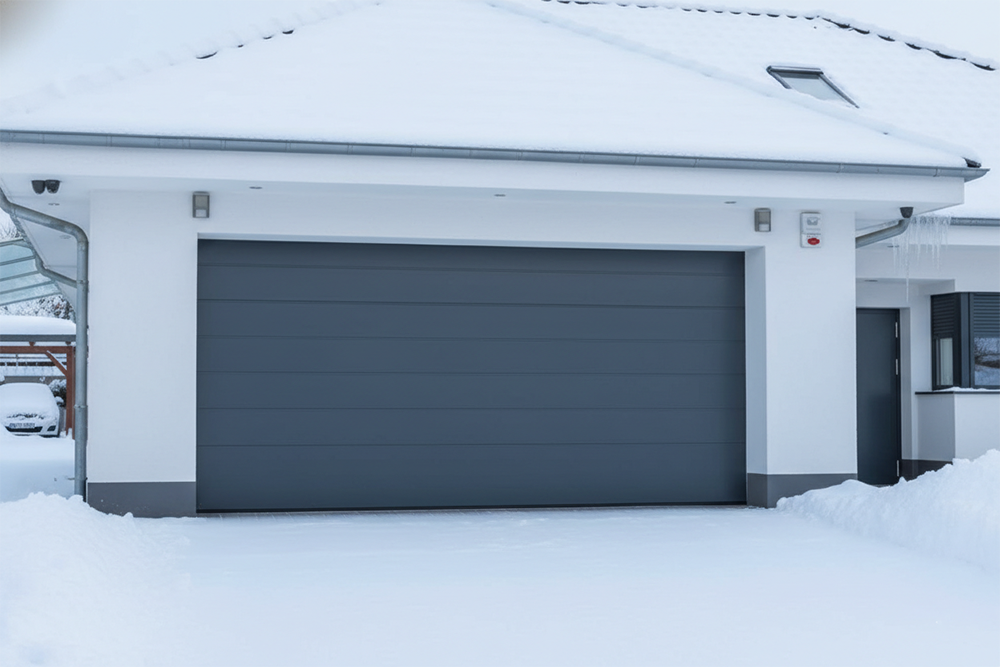
From my experience installing doors across Park Ridge, Des Plaines, and Evanston, steel is the clear winner for 70–80% of local homes—it’s tough against salt corrosion when properly coated, offers excellent insulation, and provides the best value. Avoid cheap imports; stick to trusted brands like Clopay or Amarr for galvanized steel that lasts.
Here’s a detailed look at common garage door materials:
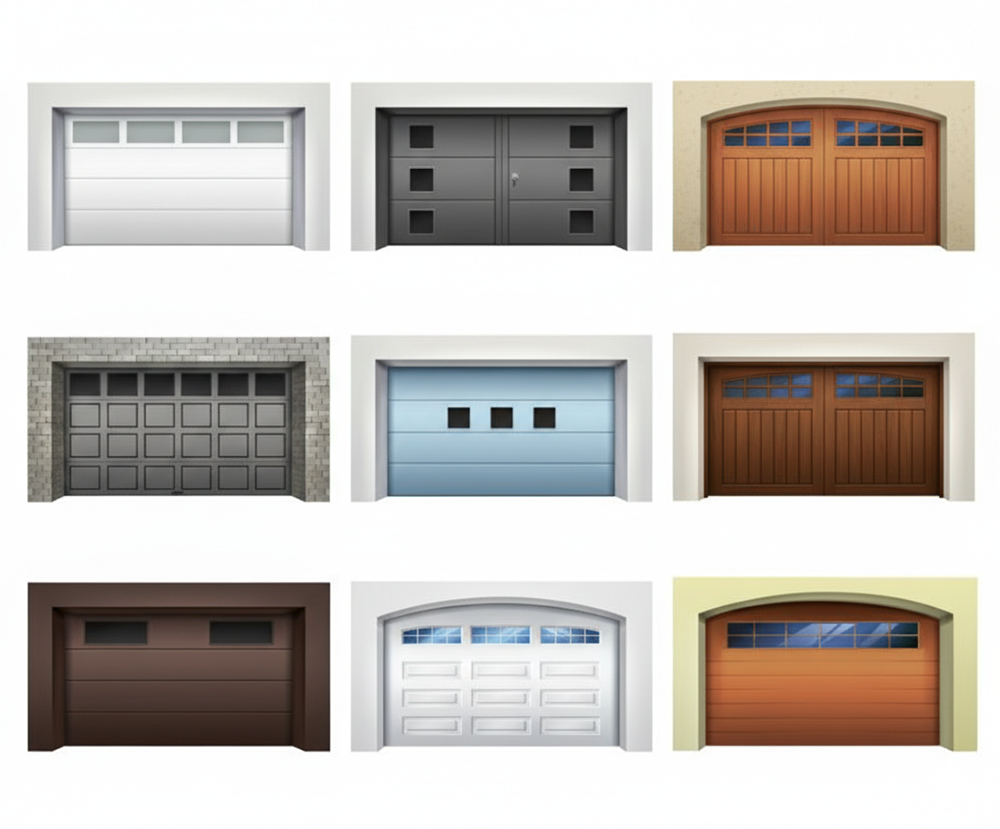
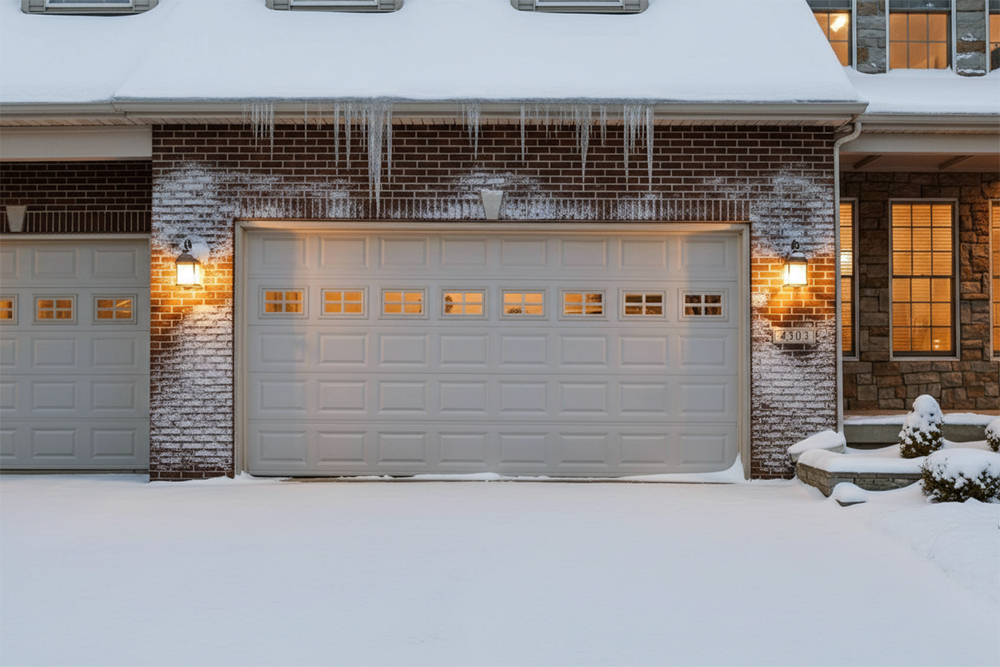
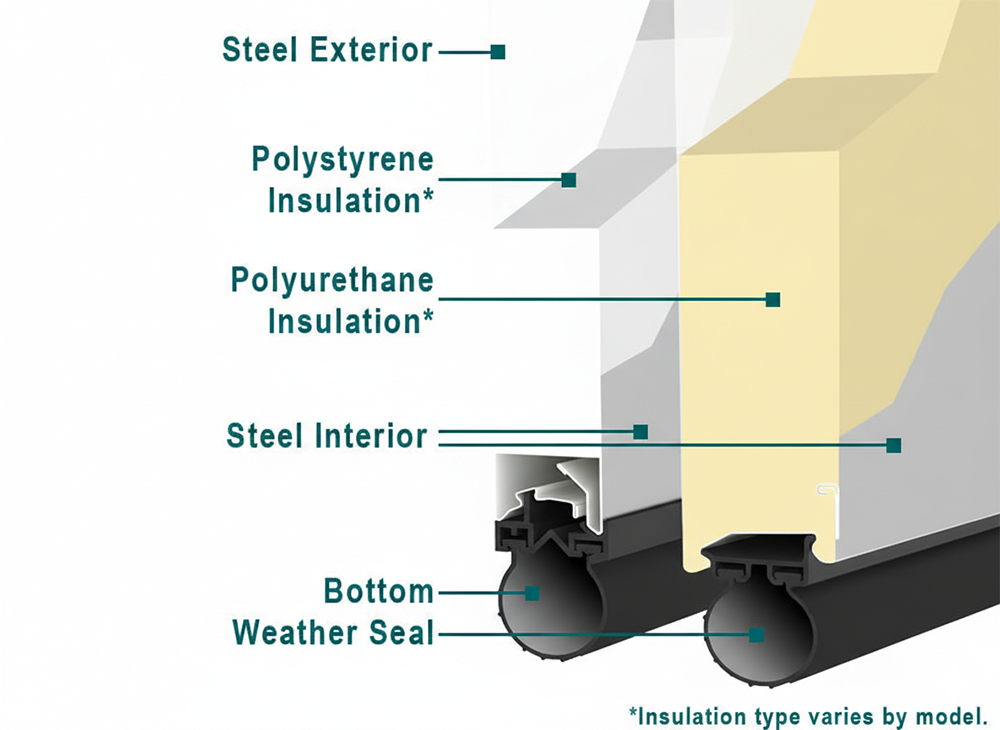
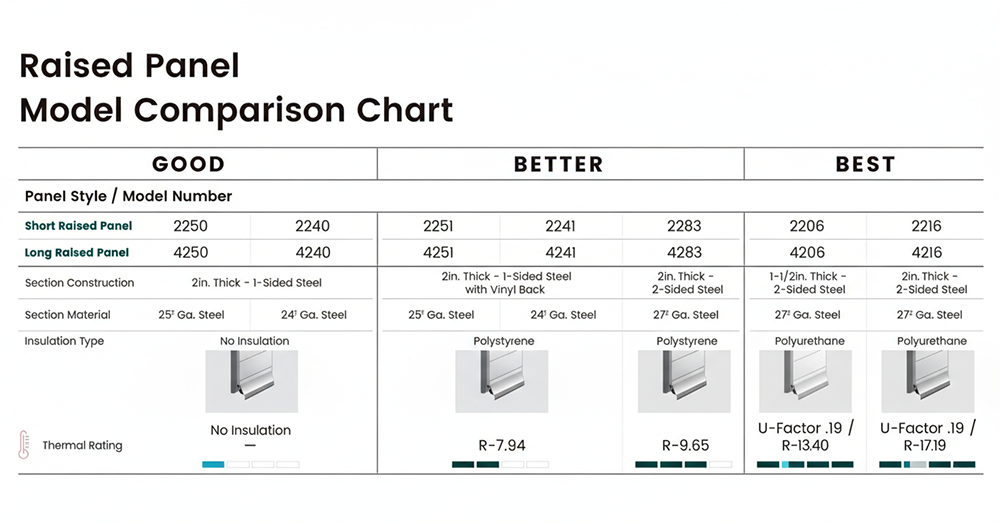
The most common and recommended for Chicago-area homes. Modern steel doors feature multiple layers: galvanized steel skins with a core of insulation.
Best for: Most residential applications in Illinois—holds up best against road salt and snow.
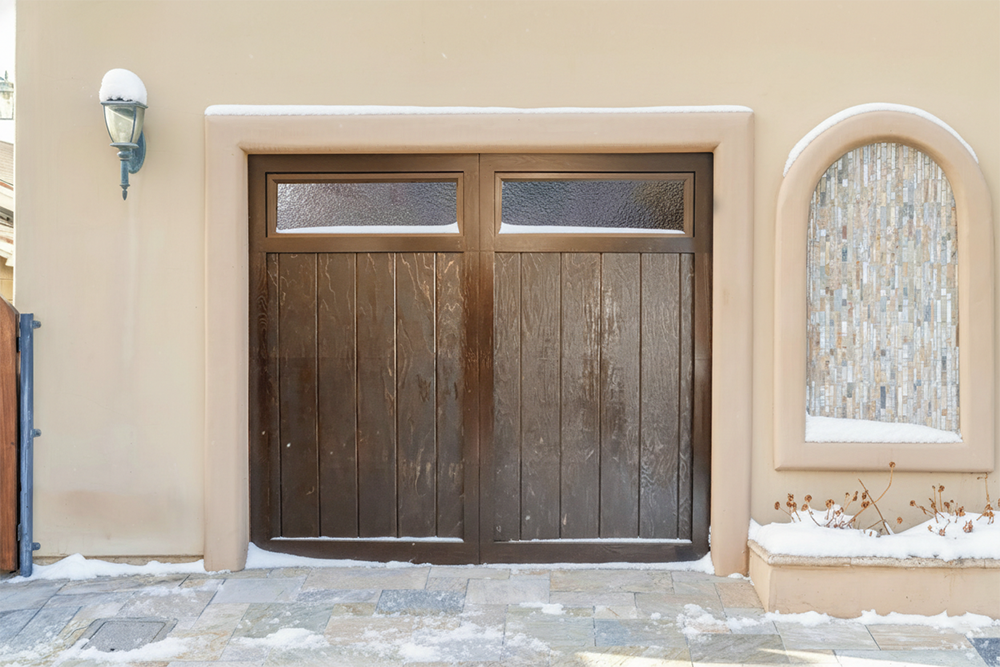
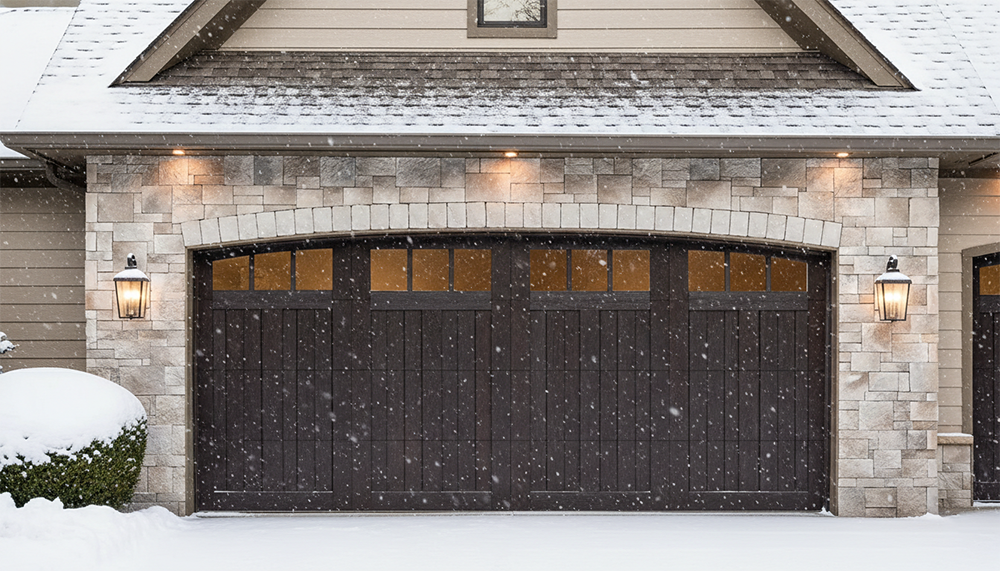
Classic beauty with natural grain—cedar, redwood, or hemlock.
Best for: High-end or historic homes where authenticity matters.
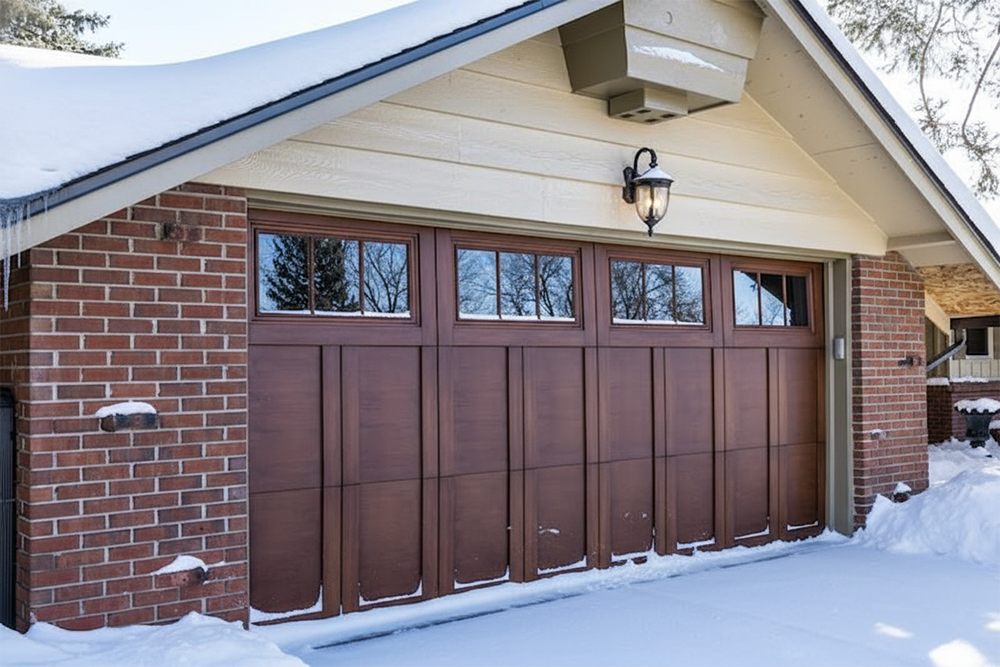
Lightweight frames, often with glass panels for contemporary looks.
Best for: Full-view modern doors or coastal-like corrosion resistance (though less needed here).
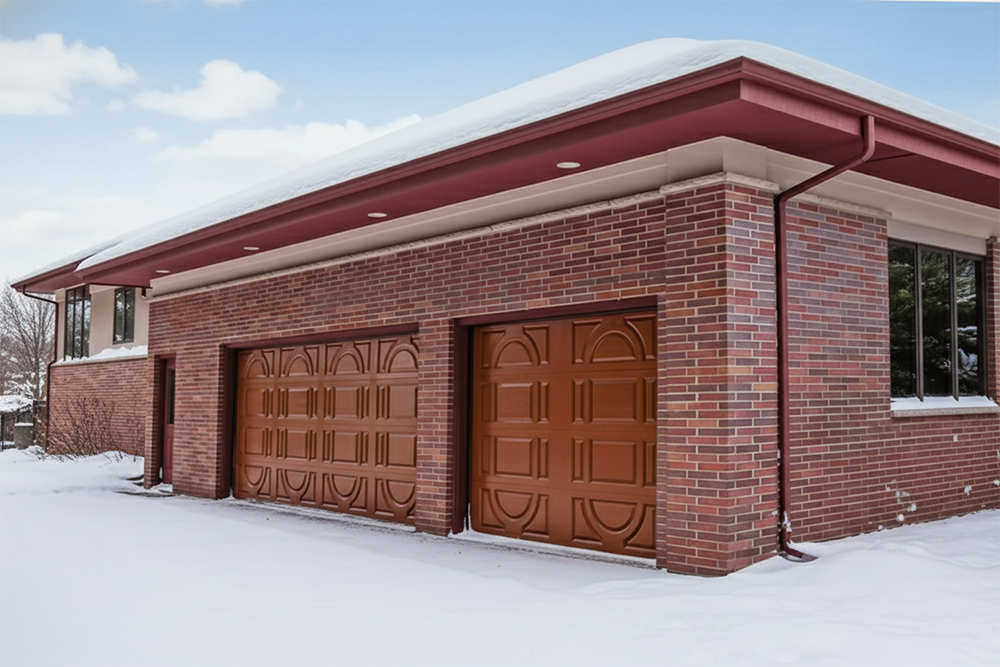
Mimics wood grain but made from composite layers.
Best for: Milder climates—not my first choice for NW Illinois.
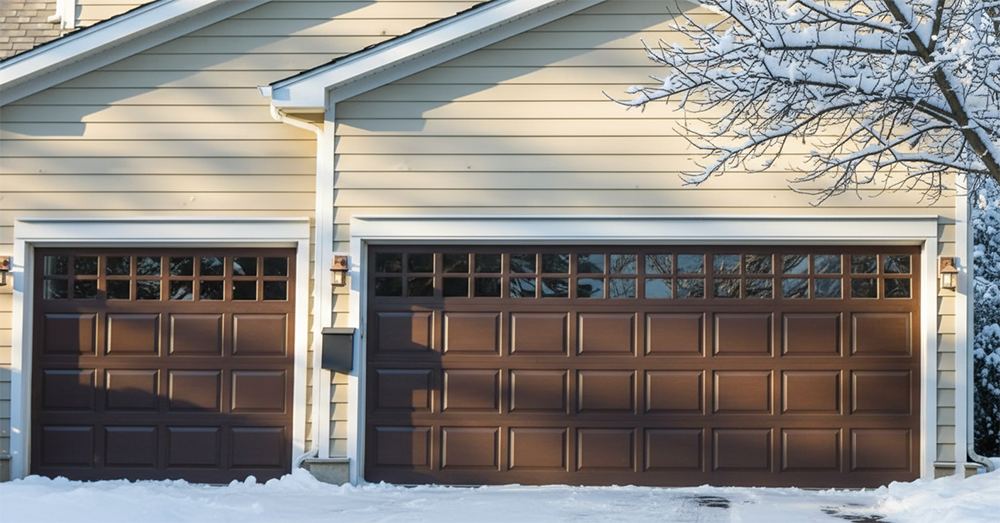
Wood-like appearance from recycled materials or PVC.
Best for: Cost-conscious upgrades.
| Material | Durability vs. Salt/Snow | Insulation (R-Value) | Maintenance | Avg. Cost (16×7 Door, 2026) | My Recommendation |
|---|---|---|---|---|---|
| Steel | Excellent | High (up to R-18+) | Low | $1,200–$3,500 | Top choice |
| Wood | Fair | Good | High | $2,500–$6,000+ | For luxury looks |
| Aluminum | Excellent (no rust) | Fair | Low | $2,000–$4,500 | Modern styles |
| Fiberglass | Good | Fair | Low | $1,800–$4,000 | Avoid in extreme cold |
| Composite | Good | Fair to Good | Very Low | $1,500–$3,000 | Budget option |
For deeper dives, check [Garage Door Choices] or [Different Garage Doors]. The right material ties your garage door options together for long-term performance in our local conditions.
Beyond types and materials, the opening mechanism defines how your garage door operates daily. In Northwest Chicago, where space is often tight and winters bring ice buildup on tracks, choosing the right system ensures smooth, reliable performance.
I’ve certified in LiftMaster and Chamberlain systems—essential for handling Chicago’s frequent power outages and ensuring safety features like auto-reverse sensors work flawlessly. Let’s break down the key garage door opening styles.
The standard for most homes: The door sections bend and roll up along curved tracks into the garage ceiling.
How it works: Torsion springs or extension springs counterbalance the weight; a chain, belt, or screw-drive opener pulls it up.
Chicago tip: Opt for high-cycle springs (20,000+ cycles) to handle daily use in busy suburbs like Mount Prospect.
For details, see Types of Overhead Doors.
The door rolls into a compact coil above the opening, guided by side tracks.
How it works: No springs needed; a barrel assembly winds the slats.
Chicago tip: Ideal for garages with low ceilings in older Evanston homes.
Doors pivot outward or inward on hinges, like French doors.
How it works: Manual or automated with arm operators.
Chicago tip: Rare but perfect for detached garages with ample clearance.
Check our guide on [Garage Door Opening Styles] for more.
In 2026, smart tech is standard: Wi-Fi-enabled openers like LiftMaster MyQ let you control via app, integrate with Alexa/Google Home, and get alerts for unusual activity.
Key features: Battery backup for outages, rolling codes for security, motion lights, and camera integration.
Chicago tip: Battery backups are a must—I’ve fixed many frozen doors during blackouts.
These mechanisms enhance your garage door options for safety and ease in our local climate.
Budgeting for your garage door options is crucial—prices vary based on size, material, style, and features. In Northwest Chicago, factors like labor rates, permits, and weather-resistant upgrades can add up. Drawing from my decade-plus experience serving Park Ridge, Des Plaines, and Evanston, I’ll break it down with real 2026 estimates to help you plan.
For a standard 16×7 single-car garage door (most common in our area), expect to pay $1,000–$2,500 including materials and installation. This covers basic steel sectional doors; premium options like insulated wood or custom designs push it to $3,000–$5,000+.
In NW Chicago, I charge $1,200–$3,500 for full installs—here’s a typical breakdown: $800–$1,500 for the door, $400–$800 for labor/permits, and $200–$500 for add-ons like insulation or smart openers. Double-car doors add 50–100% more.
| Cost Factor | Low-End (Basic) | Mid-Range (Insulated Steel) | High-End (Custom Wood) |
|---|---|---|---|
| Material | $700 | $1,200 | $2,500 |
| Installation | $300 | $500 | $800 |
| Opener/Add-Ons | $200 | $400 | $700 |
| Total | $1,200 | $2,100 | $4,000 |
These are Chicago metro averages—rural Illinois might be 10–20% lower, but urban areas like ours factor in higher labor.
DIY appeals to handy homeowners, but I strongly recommend pros for safety and warranty reasons. Garage doors weigh 150–300 lbs, with high-tension springs that can cause serious injury if mishandled. A botched install voids warranties and leads to issues like misalignment in our freeze-thaw cycles.
DIY cost: $700–$1,500 (materials only), plus tools/time.
Pro install: Adds $300–$600 but ensures code compliance (Chicago requires permits for structural changes).
From my jobs, 90% of emergency repairs stem from DIY attempts gone wrong.
Regular upkeep extends your door’s life to 20–30 years. In Chicago’s salty winters, focus on corrosion prevention.
Don’t ignore noises or slow operation—early fixes save hundreds.
Still have questions about garage door options? Here are answers to some of the most common ones I get as a master contractor in Northwest Chicago. Drawing from over a decade of hands-on experience installing and repairing doors in harsh Illinois weather, these insights will help clarify your choices.
A garage door is often simply referred to as an “overhead door” or “sectional door,” but technically, it’s a vertically operating barrier for vehicle storage spaces. In industry terms, it’s classified by type (e.g., sectional, roll-up) or style (e.g., carriage house). From my jobs in Park Ridge, most folks just call it their “garage door”—but knowing the specifics helps when ordering parts. Dive deeper in our guide on [What Is a Garage Door Called].
The five main types are: 1) Sectional (most common, panels roll up on tracks); 2) Roll-up (coils above the opening); 3) Swing-out (hinged, opens like barn doors); 4) Slide-to-side (slides along the wall); and 5) Tilt-up (one-piece that pivots up). In NW Chicago, sectional dominates for its efficiency in tight spaces. For visuals and pros/cons, check What Are the 5 Types of Garage Doors.
Residential types focus on home use: primarily sectional for attached garages, carriage-style for aesthetics, and occasionally tilt-up for older properties. They prioritize insulation, quiet operation, and curb appeal over heavy-duty commercial features. In my Evanston installs, insulated sectional types reduce noise and energy loss significantly. See more in Residential Garage Door Types.
Beyond the basics, variations include insulated vs. non-insulated, single-layer vs. multi-layer construction, and smart-enabled models. Differences come down to materials (steel for durability, wood for looks) and mechanisms (overhead for space savings). I’ve seen everything from basic steel to custom glass—each suited to specific homes. Explore options in [Different Types of Garage Doors].
Kinds refer to categories like traditional raised-panel, modern full-view, or rustic wood-look. They overlap with types but emphasize design over function. In Des Plaines, “kinds” often means style variations within sectional doors. For a full breakdown, read Different Kinds of Garage Doors.
Traditional styles include raised-panel (rectangular sections for classic depth) and flush-panel (smooth for subtle elegance). They evoke timeless homes without modern flair. As an Amarr dealer, I recommend these for brick or colonial houses in Niles—they blend perfectly and hold up well. More in [Traditional Garage Door Styles].
Yes—visual guides are essential! Common ones: sectional with windows, carriage house with hardware, modern glass.
Галерея типов ворот
Pictures help compare real installations. In my work, clients love seeing before/after photos from local jobs. Check our illustrated guide at [Types of Garage Doors with Pictures].
Designs for homes include contemporary (sleek lines), carriage (rustic accents), and custom (tailored panels). Focus on matching your home’s architecture while adding features like insulation. In Mount Prospect, energy-efficient designs cut bills noticeably. Details in [Residential Garage Door Designs].
2026 trends: Matte black finishes, integrated smart tech, eco-composites, and bi-fold hybrids. These “new styles” prioritize sustainability and connectivity. I’ve installed Wi-Fi models that integrate with home automation—game-changers for busy families. Learn more in New Style Garage Doors.
These FAQs cover the essentials, but if your question isn’t here, contact me for personalized advice.
Choosing the right garage door options for your Northwest Chicago home doesn’t have to be overwhelming. In this guide, we’ve covered the essentials—from the core types like sectional and roll-up doors that maximize space and durability in our tight suburbs, to popular styles such as traditional raised-panel and sleek contemporary designs that boost curb appeal.
We’ve explored materials like steel for unbeatable weather resistance against Illinois salt and snow, and delved into opening mechanisms, smart features, costs, installation best practices, and maintenance tips to keep your door performing for decades.
The key takeaway? Prioritize insulation and quality construction for energy savings in our harsh winters, match styles to your home’s architecture for maximum value, and always opt for professional installation to avoid costly mistakes. Whether you’re upgrading for security, aesthetics, or efficiency, the right choice can transform your garage from a mere storage space into a seamless part of your home.
As the master contractor behind Prime Garage Door Repair, with over a decade of experience serving Park Ridge, Des Plaines, Evanston, and surrounding NW Illinois areas, I’ve seen firsthand how these options make a real difference. My team specializes in authorized installations from top brands like Amarr and Clopay, ensuring warranties and expert service every step of the way.
Ready to upgrade? Schedule your free garage door consultation today—I’ll personally assess your needs and provide tailored recommendations for your Chicago-area home.
Contact us now for a no-obligation quote!

Dmytro Shevchenko is the owner and lead technician at Prime Garage Door Repair, located at 25975 N Diamond Lake Rd, Unit 111, Mundelein, IL 60060. Known for his honest service and expert craftsmanship, he ensures every garage door operates safely and smoothly for families and companies across the Chicago suburbs.