




✨ Quick Overview
This 2026 guide by Dmytro Shevchenko of Prime Garage Door Repair serves as a roadmap for selecting the ideal garage door mechanism for Chicago-area homes. It highlights how choosing the right type can lower energy bills by 20%, improve home security, and significantly boost curb appeal in competitive Northwest suburbs.
💡 Key Takeaways
- The Sectional Advantage: Recommended for 90% of local homes due to its superior insulation (up to R-20+) and space-efficient vertical lift.
- Low-Headroom Solutions: Roll-up and Slide-to-side doors are the top 2026 picks for garages with obstructed ceilings or low clearances (as little as 8 inches).
- Curb Appeal ROI: Carriage House doors remain a high-value investment for historic properties, often delivering over 100% ROI on home resale.
- Winter Survival: High-performance polyurethane insulation is essential for attached garages in Illinois to prevent “frozen morning” failures and reduce heating costs by 15–25%.
- 2026 Tech Standards: Modern installs now prioritize smart-home integration (geofencing, built-in cameras) and wind-rated hardware for extreme weather.
📊 Quick Comparison Matrix (Chicago 2026)
| Type | Best For | Insulation | Driveway Space | Avg. Cost (Installed) |
| Sectional | Attached Homes | Excellent | None | $1,500–$3,000 |
| Roll-Up | Low Ceilings | Medium | None | $1,800–$3,500 |
| Carriage | Historic Style | High (Faux) | Required* | $2,500–$4,500+ |
| Slide-to-Side | Obstructed Roof | Medium | None | $2,200–$4,000 |
| Tilt-Up | Budget/Detached | Low | Required | $1,200–$2,500 |
Searching for the right types of garage doors can feel overwhelming, especially in Northwest Chicago where brutal winters, heavy snow, and road salt put extra demands on your garage.
A frozen track, warped panel, or poor insulation doesn’t just inconvenience you—it can spike energy bills, damage vehicles, or compromise security. The good news? Modern garage door types offer solutions tailored to our local climate, from highly insulated sectional models that seal out the cold to space-saving roll-ups for tight garages.
My name is Dmytro Shevchenko, master contractor and owner of Prime Garage Door Repair. With over a decade serving homeowners in Park Ridge, Des Plaines, Mount Prospect, Evanston, and across NW Chicago suburbs, I’ve installed and repaired thousands of doors. I’ve seen which types hold up best against Illinois freeze-thaw cycles, which provide the quietest operation for attached garages, and which deliver the biggest ROI on curb appeal.
In my experience, sectional garage doors remain the most common and recommended for 85–90% of residential homes here—versatile, energy-efficient, and customizable. But roll-up, carriage/swing-out, slide-to-side, and tilt-up options each have their place depending on your garage layout, headroom, and style preferences.
This in-depth 2026 guide breaks down all the main types of garage doors available today:
- How each mechanism works with clear visuals
- Pros, cons, and real-world performance in Chicago weather
- Best use cases for residential homes
- Cost ranges (installed prices in our area typically $1,200–$3,500 for standard sizes)
- Trends like smart integration and high-insulation for energy savings
Whether you’re replacing a worn-out door, building new, or just researching options, you’ll finish this article knowing exactly which type fits your home, budget, and lifestyle.
This is part of our larger series on garage door options—check the full [Garage Door Options Guide] for styles, materials, and more.
Ready to discover the perfect type for your Chicago-area garage? Let’s get started.
Why Choosing the Right Type Matters
Selecting the correct types of garage doors goes beyond aesthetics—it’s about matching your home’s specific needs, especially in Northwest Chicago’s demanding environment. Our area experiences extreme temperature swings, heavy snow loads, road salt corrosion, and occasional high winds, all of which can shorten a door’s lifespan if the type isn’t suited to local conditions.
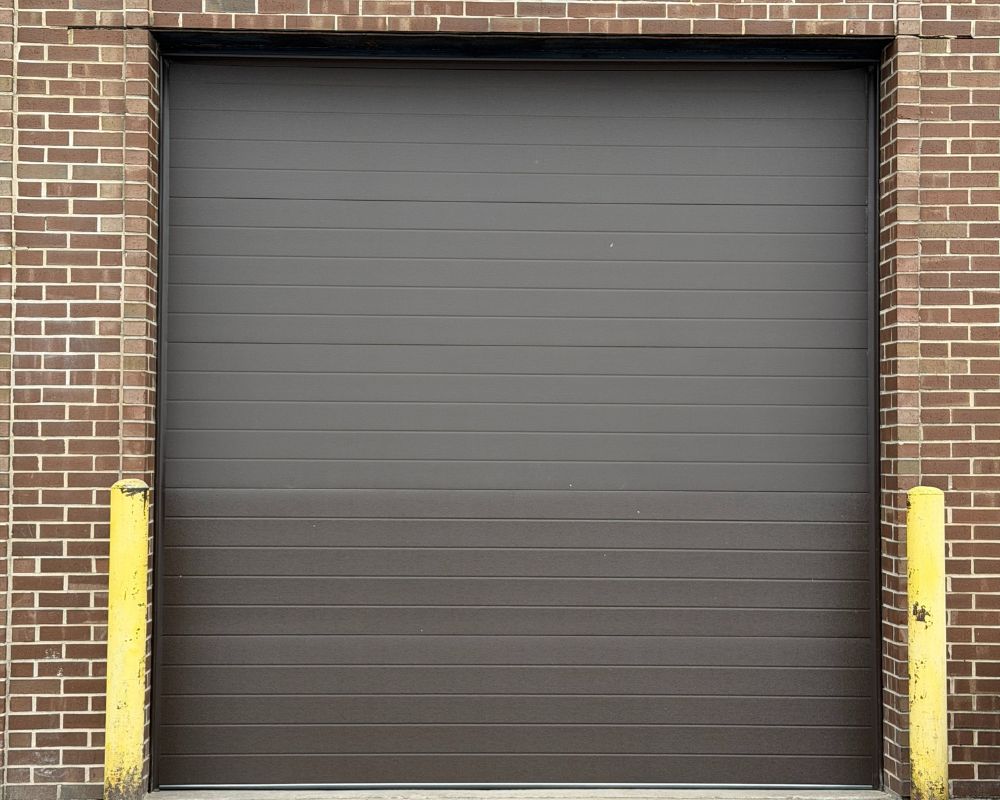
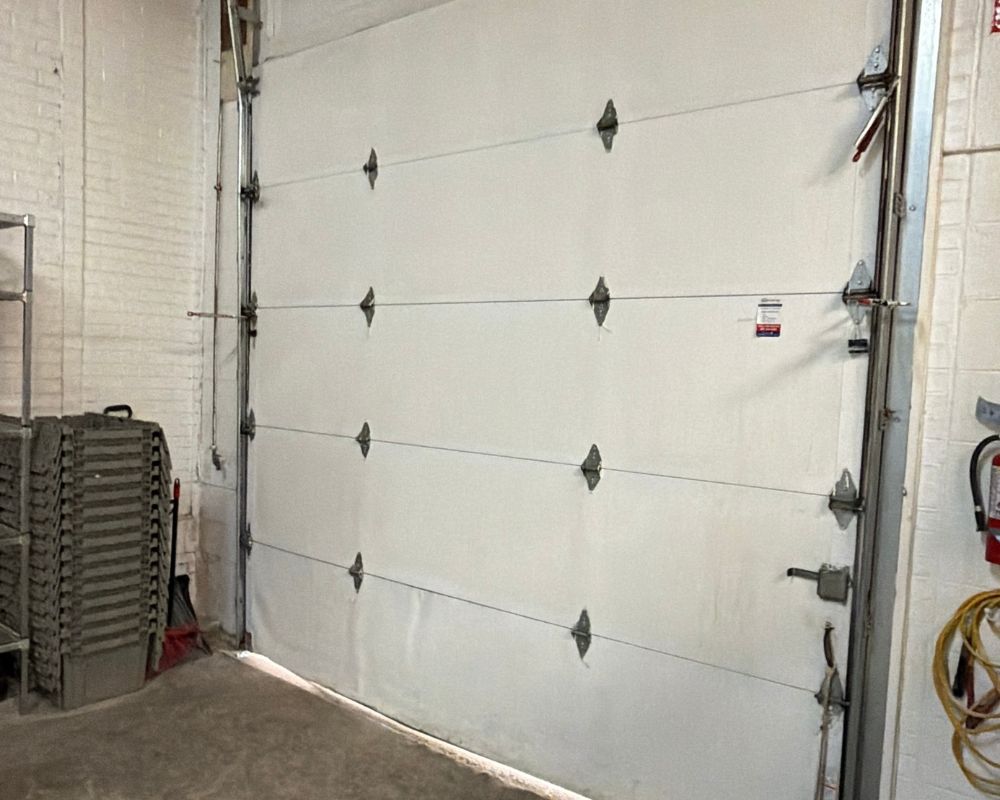
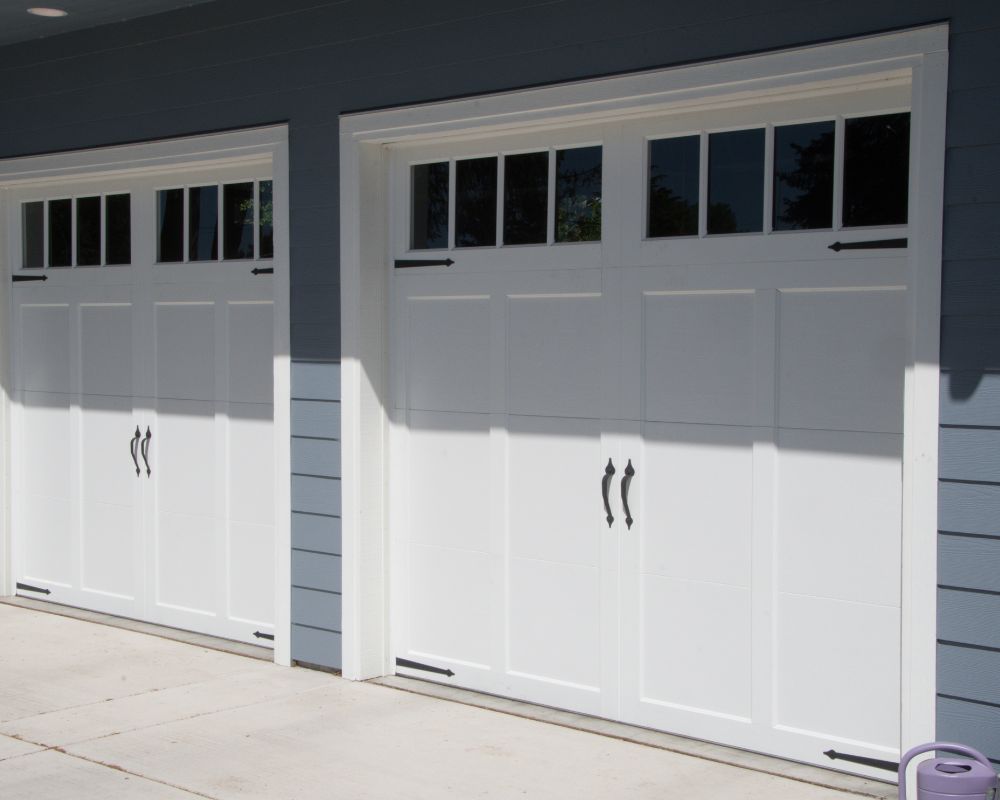
From my experience at Prime Garage Door Repair, the wrong type leads to frequent service calls: frozen mechanisms in winter, noise issues in attached garages, or insufficient insulation driving up heating costs.
Types of Garage Doors – Space and Headroom Requirements
Garage layout dictates feasibility. Many older homes in Evanston or Park Ridge have low ceilings or limited driveway depth. Sectional doors need 10–15 inches of headroom but no swing-out space, while true swing-out types require clear driveway area. Roll-up doors excel in very low-headroom scenarios (as little as 8 inches).
Climate and Weather Resistance
Chicago winters demand durability. Insulated sectional doors prevent heat loss and ice buildup on tracks. Roll-up models resist wind better but offer less insulation.
In a recent Des Plaines project, switching a client from an old tilt-up to a polyurethane-insulated sectional door eliminated morning freeze-ups and reduced their garage heating needs noticeably.
Budget and Long-Term Costs
Installed prices in the Chicago metro area in 2026 typically range from $1,200–$3,500 for a standard single-car door, depending on type and features. Basic sectional steel starts lower, while custom carriage or wood-look pushes higher.
Factor in energy savings—proper insulation can cut heating costs 10–20% in attached garages.
Aesthetics and Home Value
The door impacts curb appeal significantly (up to 30–40% of your facade). Modern roll-ups suit contemporary homes; carriage styles enhance historic bungalows.
Safety, Security, and Functionality
All modern types include auto-reverse sensors, but heavier doors (like wood swing-out) need stronger openers. Smart compatibility is now standard across most systems.
Quick Comparison of Main Types
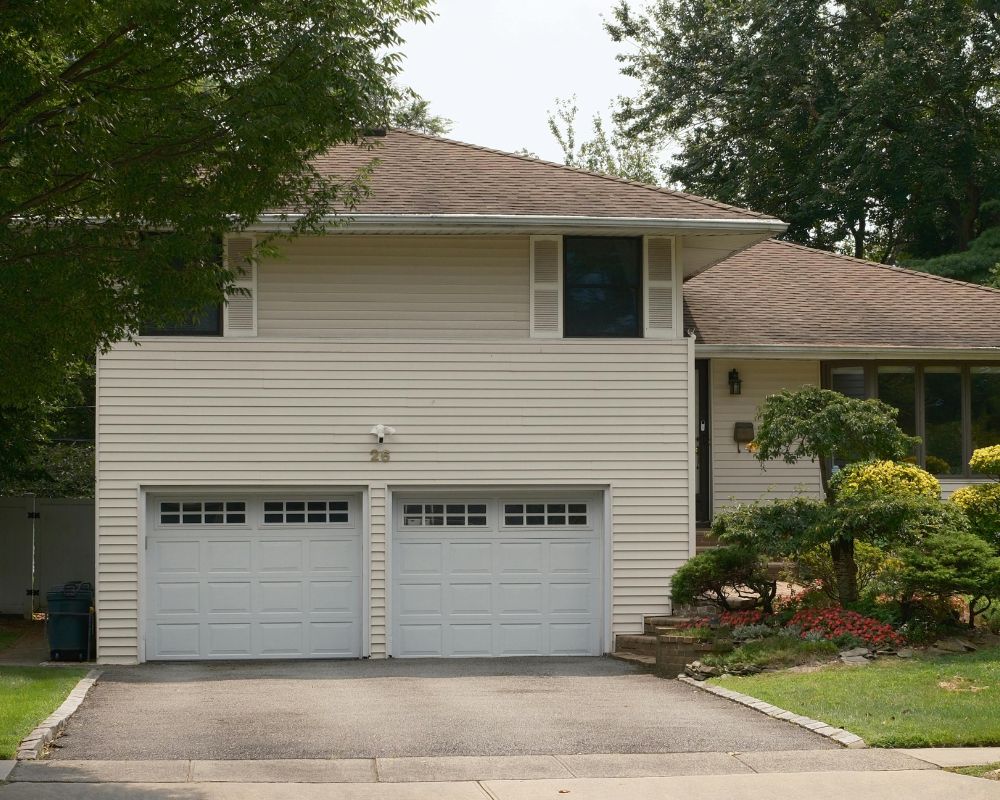
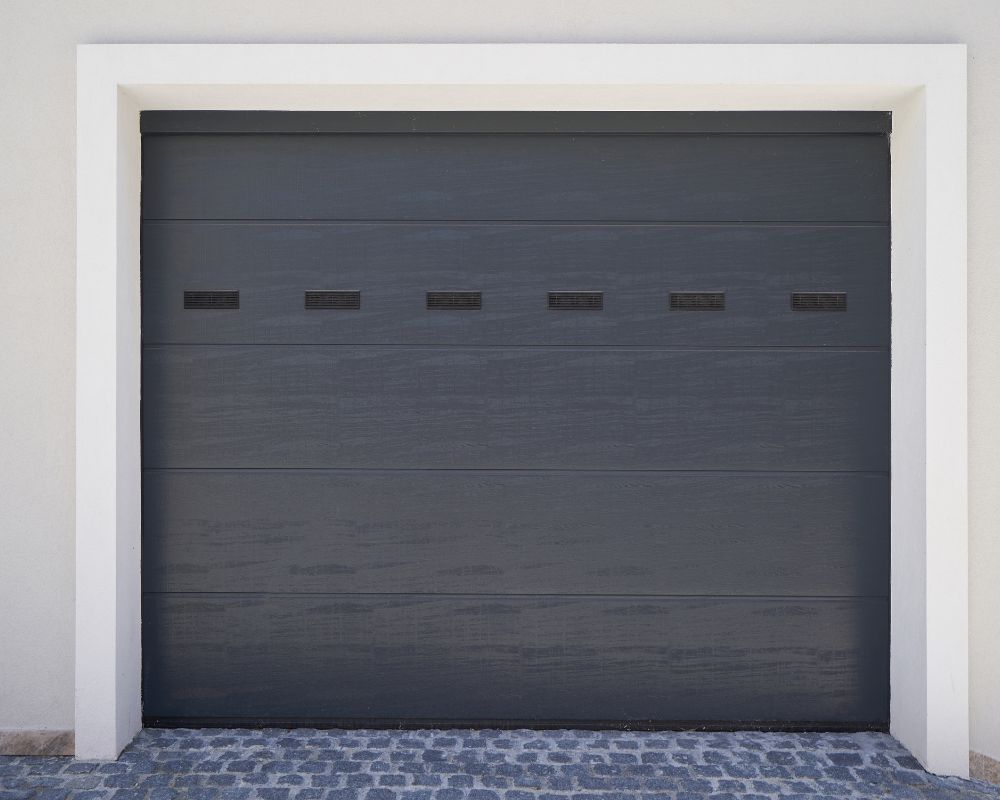
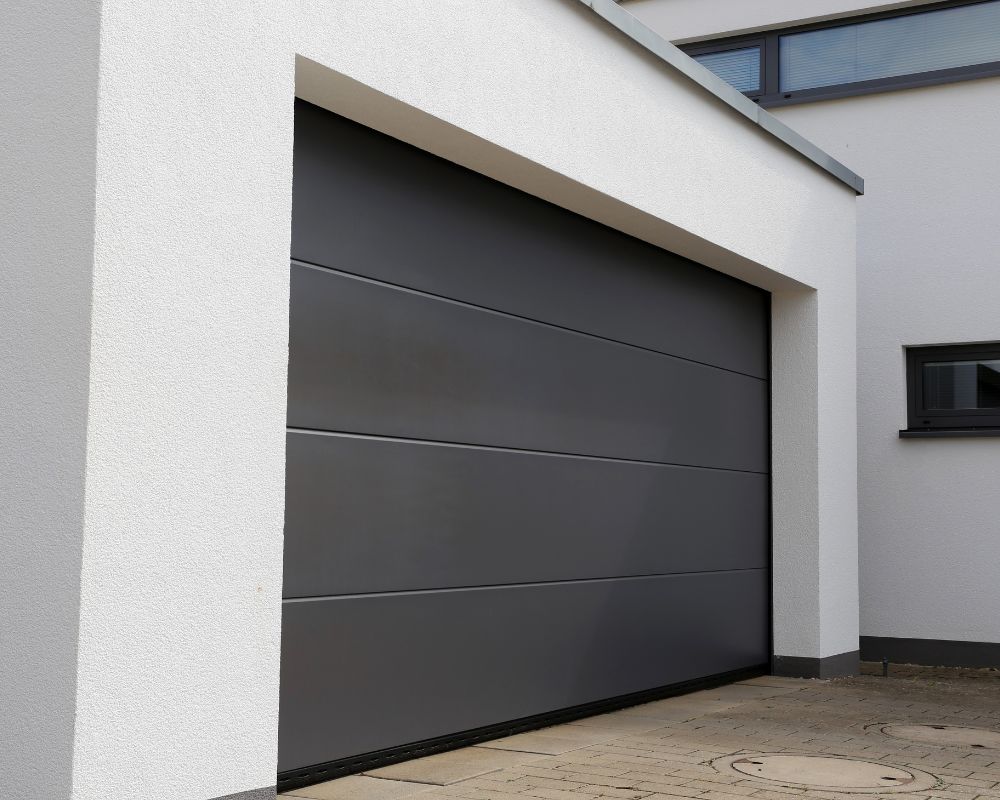
Here’s a helpful overview of pros and cons for the most common types of garage doors in residential use:
| Type | Pros | Cons | Best For Chicago Homes | Avg. Installed Cost (2026) |
|---|---|---|---|---|
| Sectional | Excellent insulation, space-efficient, quiet, wide styles | Needs headroom, more moving parts | Most attached garages (my top recommendation) | $1,500–$3,000 |
| Roll-Up | Minimal headroom, very secure, durable | Limited insulation, noisier | Low-ceiling or modern homes | $1,800–$3,500 |
| Carriage / Swing-Out | Authentic vintage look, no overhead tracks | Requires driveway clearance, harder to automate | Historic properties with space | $2,500–$4,500+ |
| Slide-to-Side | No headroom needed, smooth operation | Needs side wall space, less common | Obstructed ceilings | $2,200–$4,000 |
| Tilt-Up / Canopy | Simple, inexpensive | Limited insulation, swing-out space needed | Budget replacements, detached garages | $1,200–$2,500 |
Choosing wisely ensures reliability through Chicago’s tough seasons while adding value and convenience.
Types of Garage Doors – Sectional Garage Doors
By far the most popular of all types of garage doors, sectional doors dominate the residential market—accounting for about 90% of new installations in the U.S., and even higher in suburban areas like Northwest Chicago. They’re versatile, reliable, and perfectly suited to our local homes with attached garages, limited headroom, and need for strong insulation against cold snaps.
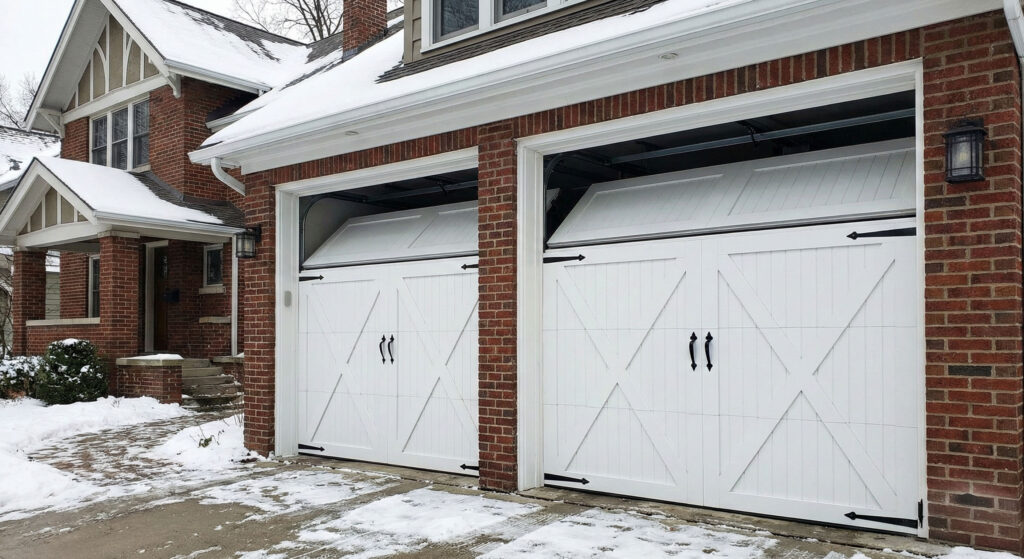
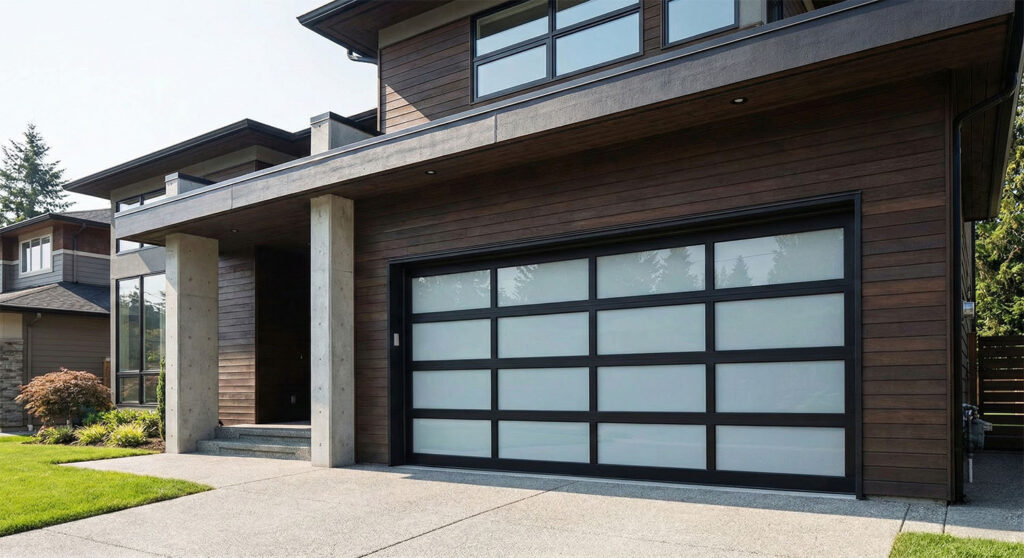
How Sectional Garage Doors Work
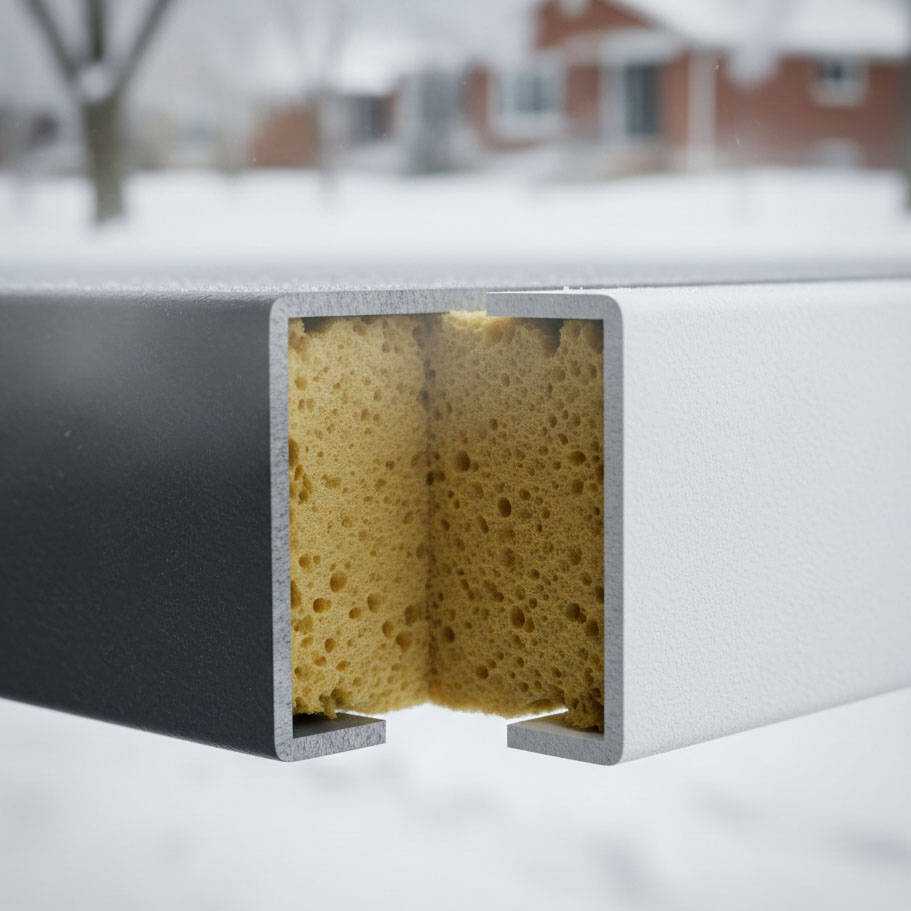
Sectional doors are made up of 3–6 horizontal panels (sections) hinged together. When opening, they bend and roll upward along curved tracks mounted on the garage walls and ceiling. A counterbalance system—usually torsion springs above the door or extension springs on the sides—helps lift the weight (typically 150–300 lbs for a single-car door).
The opener (chain, belt, or screw-drive) attaches to the top panel and pulls it up. Safety features like photo-eye sensors and auto-reverse are standard, preventing accidents. In my installs, I always use high-lift tracks for taller vehicles or added storage space overhead.
Pros of Sectional Garage Doors
- Space Efficiency: No swing-out or protrusion—ideal for short driveways in Park Ridge or Des Plaines.
- Insulation Options: Multi-layer construction (steel skin + polystyrene/polyurethane core + backer) achieves R-values up to 20+, perfect for Chicago winters. Insulated models keep garages 10–20°F warmer.
- Customization: Endless styles (raised-panel, flush, carriage-look), materials (steel, wood composite), and add-ons like windows or smart openers.
- Quiet and Smooth: Belt-drive openers make them nearly silent—great for homes with bedrooms above the garage.
- Durability: With proper maintenance, they last 20–30 years; galvanized steel resists rust from road salt.
Cons of Sectional Garage Doors
- Headroom Requirement: Needs 10–15 inches above the opening for tracks—less flexible for very low ceilings.
- Maintenance Needs: More moving parts (rollers, hinges, springs) mean occasional lubrication and spring replacements (every 7–10 years, $200–$400).
- Initial Cost: Slightly higher than tilt-up types, though value is excellent.
Insulation and Energy Efficiency for Chicago
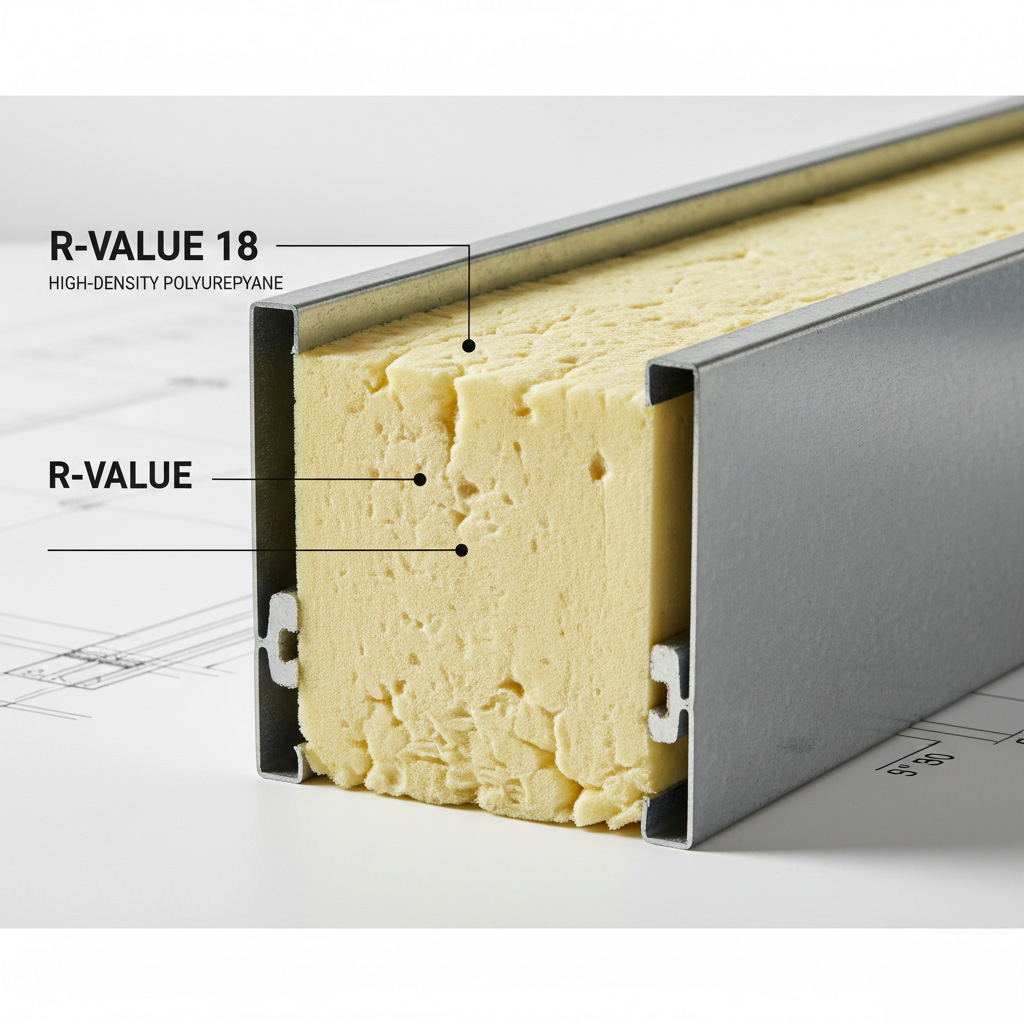
In our freeze-thaw climate, insulation is key. Basic single-layer steel offers R-0 (no insulation), but I recommend at least R-9 polystyrene for detached garages and R-16+ polyurethane for attached ones.
This seals out drafts, reduces noise, and cuts energy bills—clients in Evanston often see 15–25% savings on heating. Weatherstripping on all edges is crucial to prevent ice buildup.
Trends for 2026
Sectional doors are evolving: Eco-friendly recycled steel, integrated LED lighting, and app-controlled openers (e.g., LiftMaster MyQ with camera). High-cycle springs (50,000+ cycles) for frequent use, and matte finishes for modern aesthetics.
In NW Chicago, demand for wind-rated models (up to 150 mph resistance) is rising with stormier weather.
Chicago-Specific Recommendations
For most homes here, go with a 24-gauge insulated steel sectional from Amarr or Clopay—durable against salt, with a baked-on finish. If headroom is tight, high-lift conversions add clearance.
Avoid cheap big-box models; they fail faster in our conditions. In my recent Mount Prospect install, a client upgraded to an R-18 model and reported no more frozen mornings.
Sectional doors are the gold standard among types of garage doors for good reason—balancing performance, style, and value. For related reads, see Different Types of Garage Doors or our full Garage Door Options Guide.
Types of Garage Doors – Roll-Up Garage Doors
Among the various types of garage doors, roll-up doors (also known as coiling or rolling steel doors) offer a compact, durable alternative to traditional sectional models. They’re less common in residential settings—making up about 5–10% of home installs—but shine in specific scenarios, especially in Northwest Chicago where low headroom or high-security needs come into play.
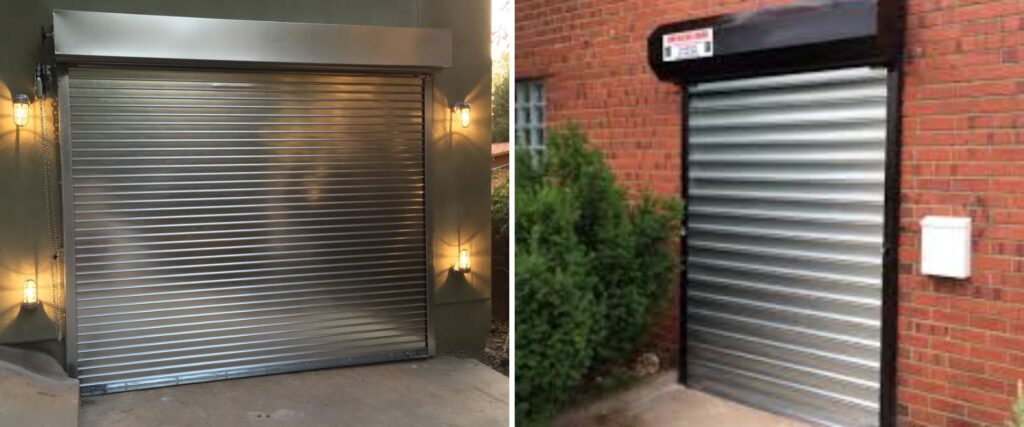
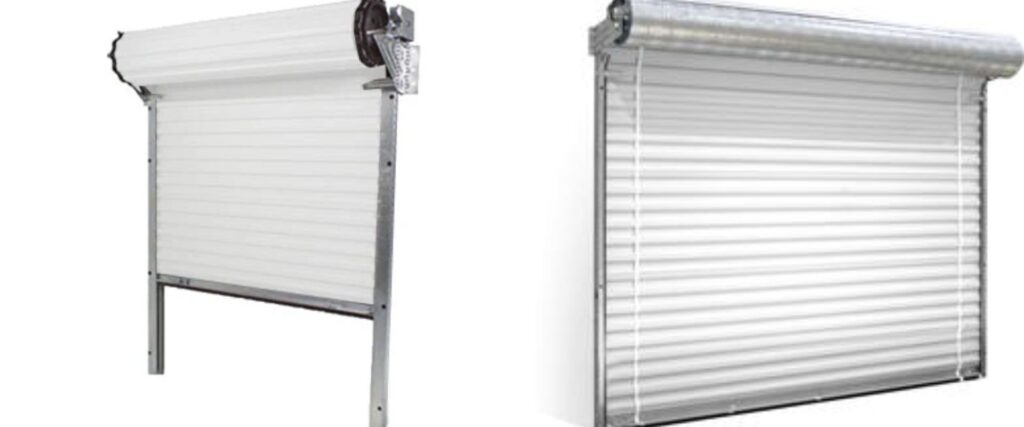
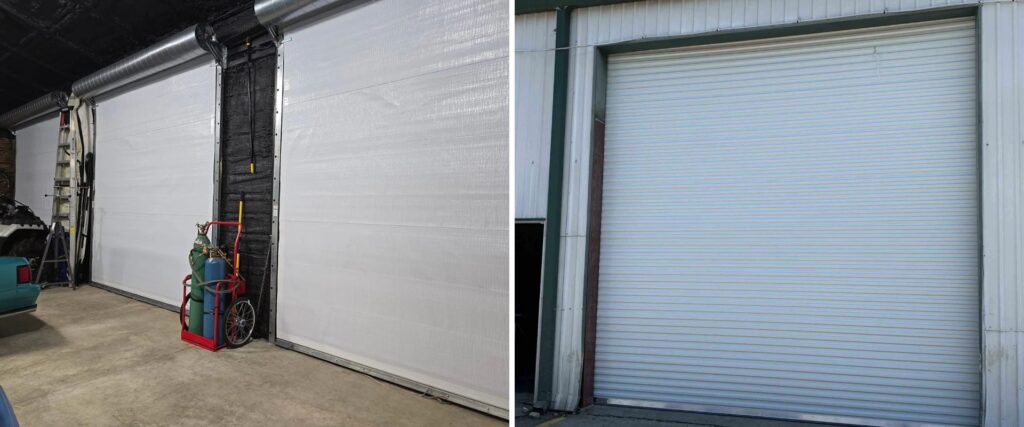
How Roll-Up Garage Doors Work
These doors consist of horizontal slats (usually steel or aluminum) that interlock and roll up into a tight coil housed in a barrel assembly above the opening. No hinges or panels bend; instead, the door winds around a drum powered by a motorized operator or manual chain hoist. Tracks on the sides guide the slats vertically.
Unlike sectionals, there’s no need for ceiling-mounted tracks—making them ideal for garages with exposed beams, HVAC ducts, or minimal overhead space (as little as 8–12 inches required). In my experience, the mechanism is simple with fewer moving parts, reducing breakdown risks.
Pros of Roll-Up Garage Doors
- Minimal Space Use: Perfect for low-ceiling garages common in older Evanston basements or converted spaces.
- High Durability and Security: Heavy-duty slats resist impacts, break-ins, and wind (rated up to 200 mph in some models). Great for areas prone to storms or vandalism.
- Low Maintenance: No springs to replace; just occasional lubrication of the barrel.
- Customization: Available in insulated versions (though less effective than sectionals), with vents, vision slats, or perforated designs for airflow.
- Commercial Crossover: Often used in home workshops or detached garages mimicking industrial aesthetics.
Cons of Roll-Up Garage Doors
- Limited Insulation: Even insulated models top out at R-10–12, not ideal for attached garages in Chicago’s cold winters—can lead to higher energy bills.
- Noisier Operation: The rolling slats create more sound than smooth sectional tracks.
- Fewer Residential Styles: Mostly plain or industrial looks; harder to match home exteriors without custom paint.
- Higher Cost for Homes: Installed prices start at $1,800–$3,500, pricier than basic sectionals due to the robust build.
Insulation and Performance in Chicago
For our salty, snowy conditions, choose galvanized steel slats with polyurethane foam injection for better R-values. Weather seals on the bottom and sides prevent drafts, but they’re not as airtight as sectionals.
In a recent Park Ridge install for a client with a low-ceiling detached garage, a roll-up door solved headroom issues while providing secure storage for tools—no rust after two winters.
Trends for 2026
Residential roll-ups are trending toward smarter features: integrated locks with app control and powder-coated finishes in matte black or custom colors. Eco-options use recycled aluminum, and hybrid models add insulation layers for better energy efficiency.
Roll-up doors aren’t for every home, but they’re a solid choice among types of garage doors when space or strength is paramount. For more on variations, see Different Types of Garage Doors or our main Garage Door Options Guide.
Carriage House / Swing-Out Doors
Carriage house doors, often called swing-out or side-hinged doors, evoke the charm of 19th-century stables and barns—making them a standout among types of garage doors for homeowners seeking vintage appeal.
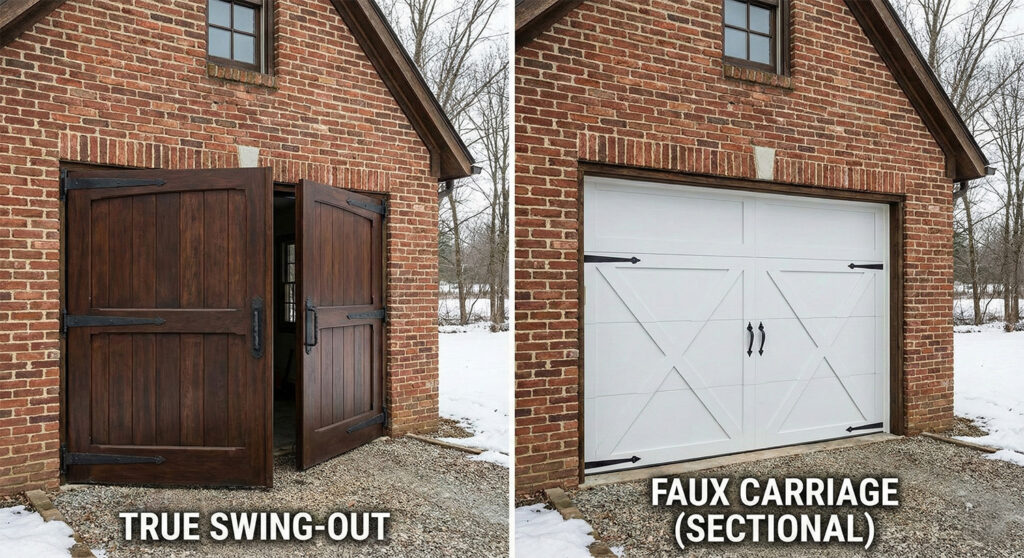
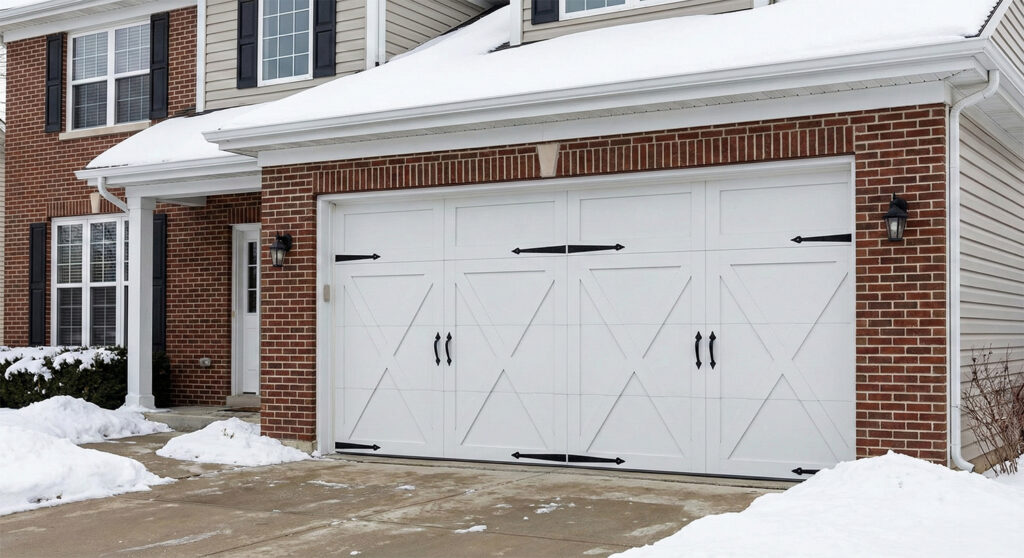
In reality, there are two main variants: true swing-out doors that actually hinge and open outward like French doors, and faux carriage house styles built as sectional doors with overlay hardware to mimic the look without the swing mechanism.
True swing-outs are less common today (about 5% of residential installs), but they’re prized for authenticity in historic restorations. Faux versions dominate, offering the aesthetic with modern sectional functionality.
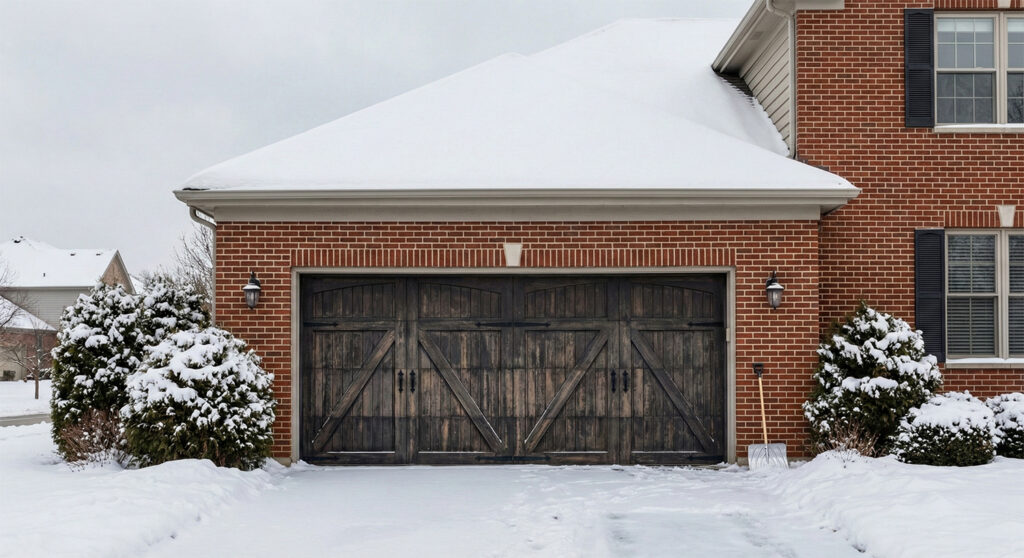
How Carriage House / Swing-Out Doors Work
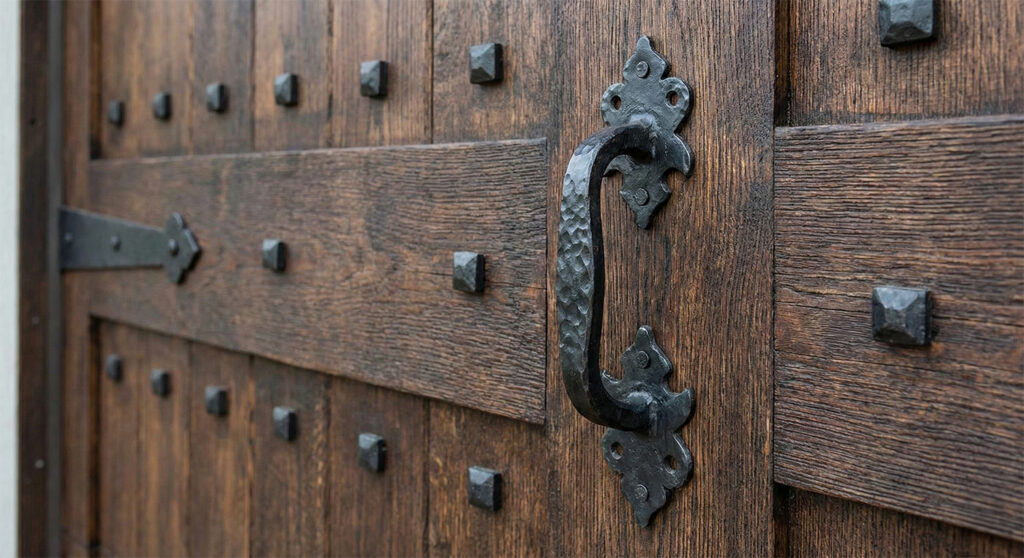
True swing-out: Each panel (usually two for a single-car garage) is hinged on the sides and swings outward manually or with automated arms. No overhead tracks or springs—just sturdy hinges and latches.
Faux carriage: It’s a standard sectional door with decorative straps, handles, and crossbeams overlaid on the panels to simulate the barn-door effect.
In my work, true swing-outs require careful alignment to avoid sagging over time, especially with heavy wood construction. Automation adds operators that push/pull the doors, but it’s more complex than a standard opener.
Pros of Carriage House / Swing-Out Doors
- Timeless Aesthetic: Boosts curb appeal dramatically—perfect for colonial, craftsman, or Tudor homes. ROI can exceed 100% on resale.
- No Overhead Obstructions: True versions free up ceiling space for storage.
- Customization: Wood, steel, or composite with arched tops, windows, and hardware in black iron or brass.
- Durability in Style: Faux models combine charm with sectional strength and insulation.
Cons of Carriage House / Swing-Out Doors
- Space Requirements: True swing-outs need 3–5 feet of driveway clearance to open—impractical for short drives in dense suburbs.
- Higher Cost: $2,500–$4,500+ installed, due to custom builds and hardware.
- Maintenance: Hinges need greasing; wood versions require sealing against Chicago humidity.
- Limited Automation: True types are harder to motorize fully.
Popularity in Historic Chicago Areas
In neighborhoods like Evanston’s historic districts or Niles’ older bungalows, carriage doors are hugely popular—they preserve architectural integrity while updating functionality.
I’ve installed faux Clopay Canyon Ridge models that look identical to originals but insulate against our winters. One client in Mount Prospect transformed their 1920s home’s facade, increasing value without altering the historic feel.
Trends for 2026
Hybrid faux designs with smart locks and LED accents; sustainable composites mimicking wood grain. Wind-rated hardware for stormier weather.
Carriage house doors add unique character to the lineup of types of garage doors, especially for heritage homes. For more on styles, check [Traditional Garage Door Styles] or our comprehensive Garage Door Options Guide.
Other Types (Slide-to-Side, Tilt-Up / Canopy)
While sectional, roll-up, and carriage house doors cover most residential needs, a few niche types of garage doors exist for unique situations. These are rarer in Northwest Chicago—typically 1–5% of installs—but valuable when standard options don’t fit. I’ve recommended them for obstructed ceilings or budget retrofits.
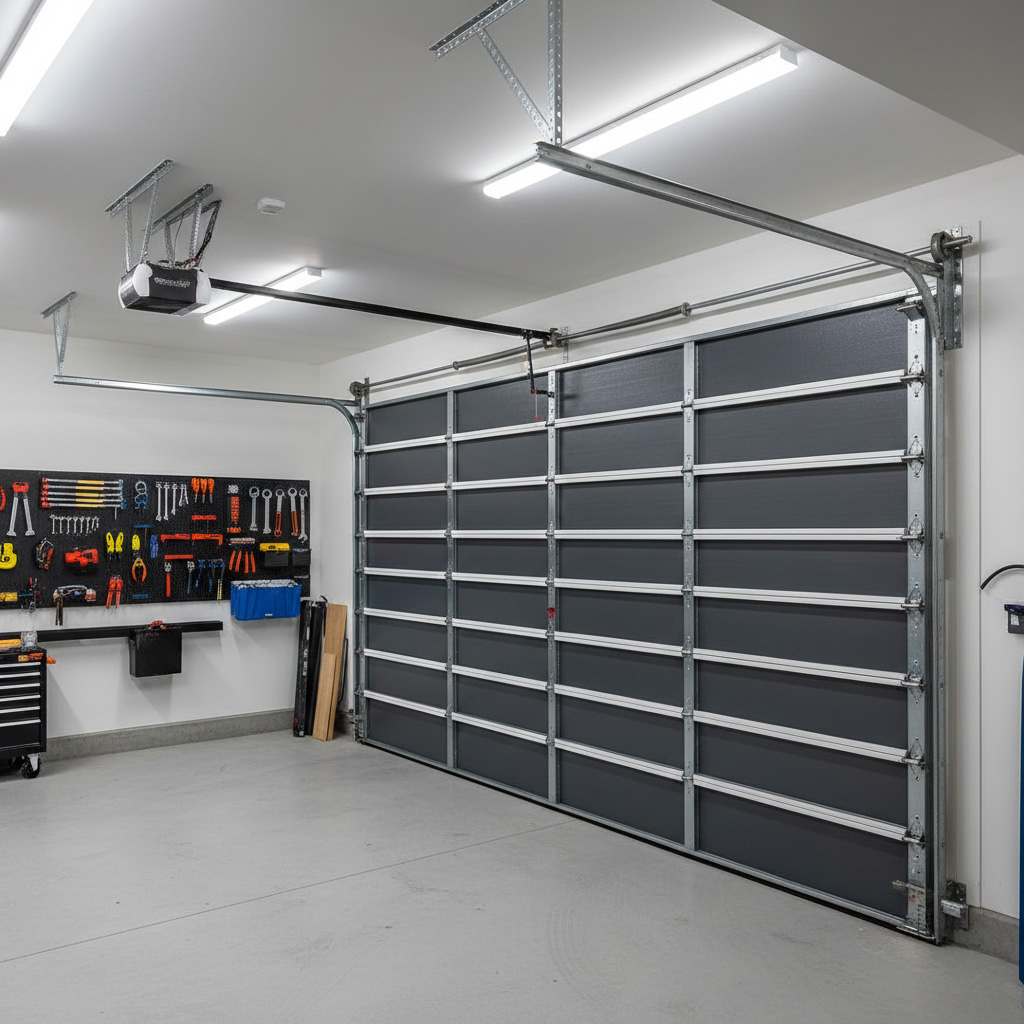
Slide-to-Side Garage Doors
Also called side-sliding or round-the-corner doors, these operate by sliding horizontally along tracks on the inside garage wall (usually to one side).
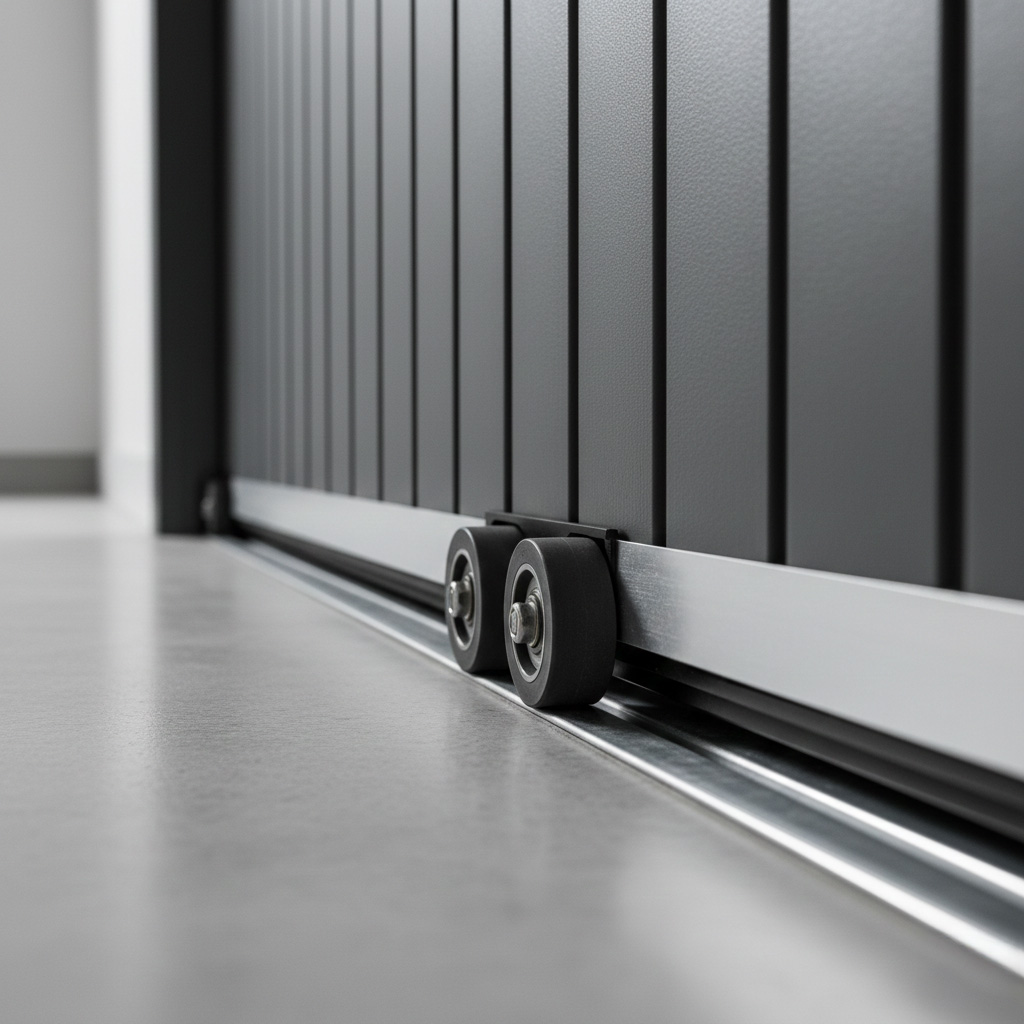
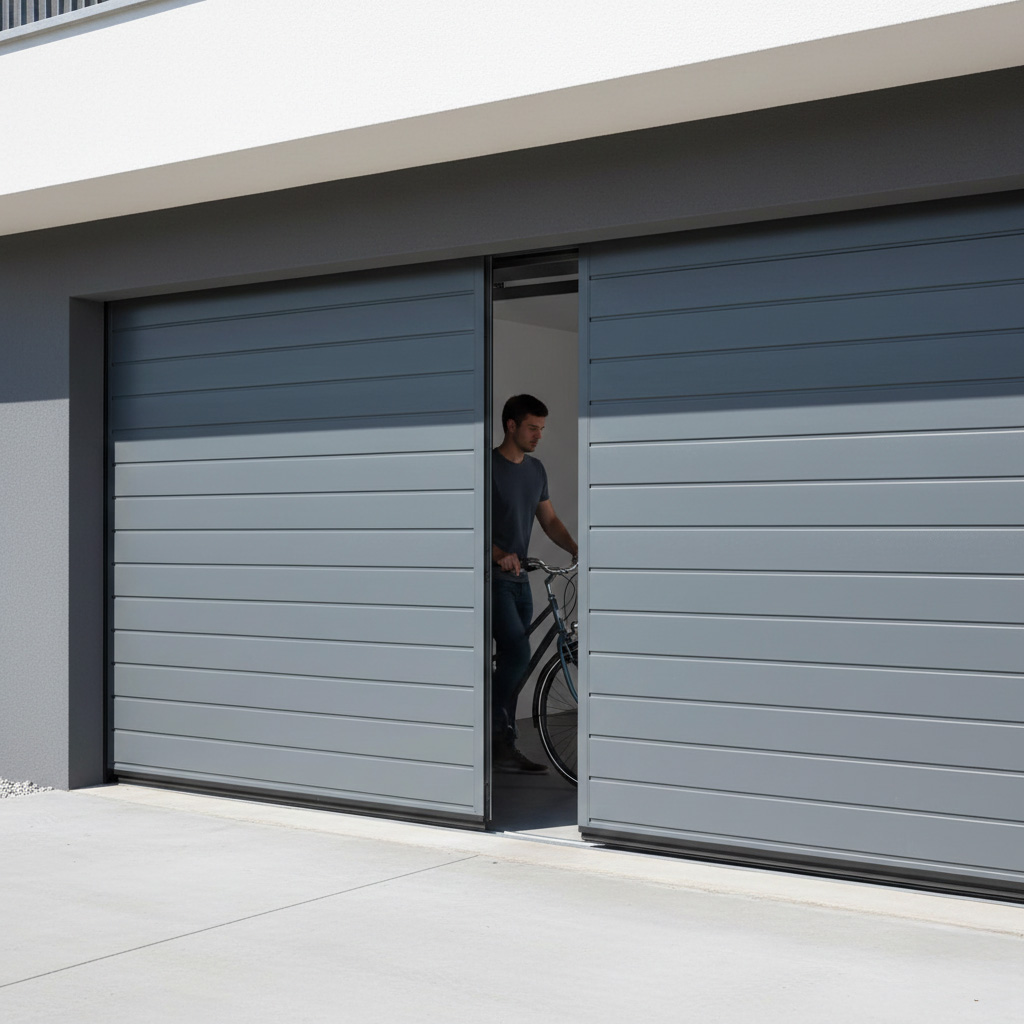
How they work: Sectional panels connected by hinges follow a curved track from vertical to horizontal along the wall. Manual or automated with a side-mounted opener.
Pros:
- No headroom required—great for vaulted or low ceilings.
- Smooth, quiet operation.
- Partial opening possible for ventilation.
Cons:
- Needs clear wall space (at least the door’s width).
- Less common in the U.S., so repairs and parts can be pricier.
- Higher cost: $2,200–$4,000 installed.
Chicago use: Ideal for modern homes with overhead obstructions. In a Des Plaines project, this type solved a client’s HVAC duct issue perfectly.
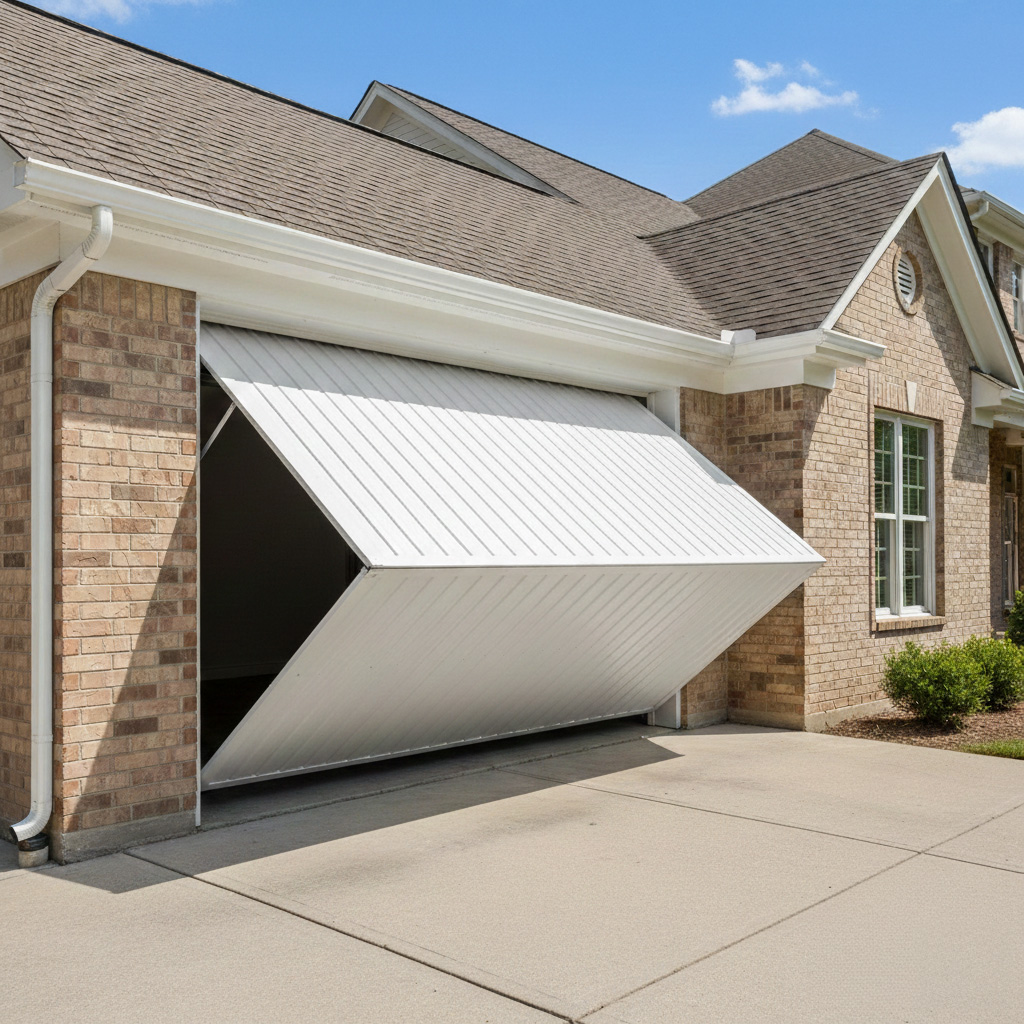
Tilt-Up Garage Doors (Canopy and Retractable)
One-piece doors that tilt upward as a single unit. Two subtypes: canopy (protrudes outward like a canopy when open) and retractable (fully pulls into the garage).
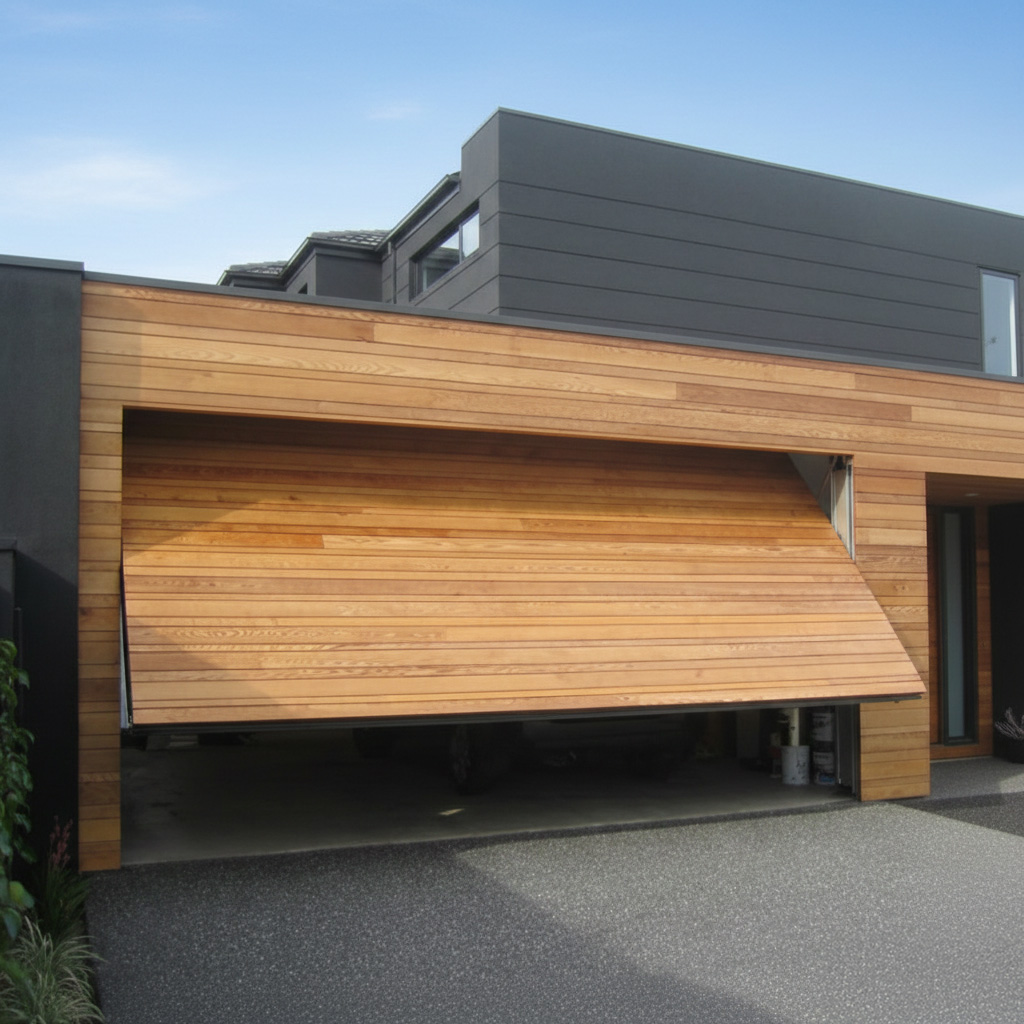
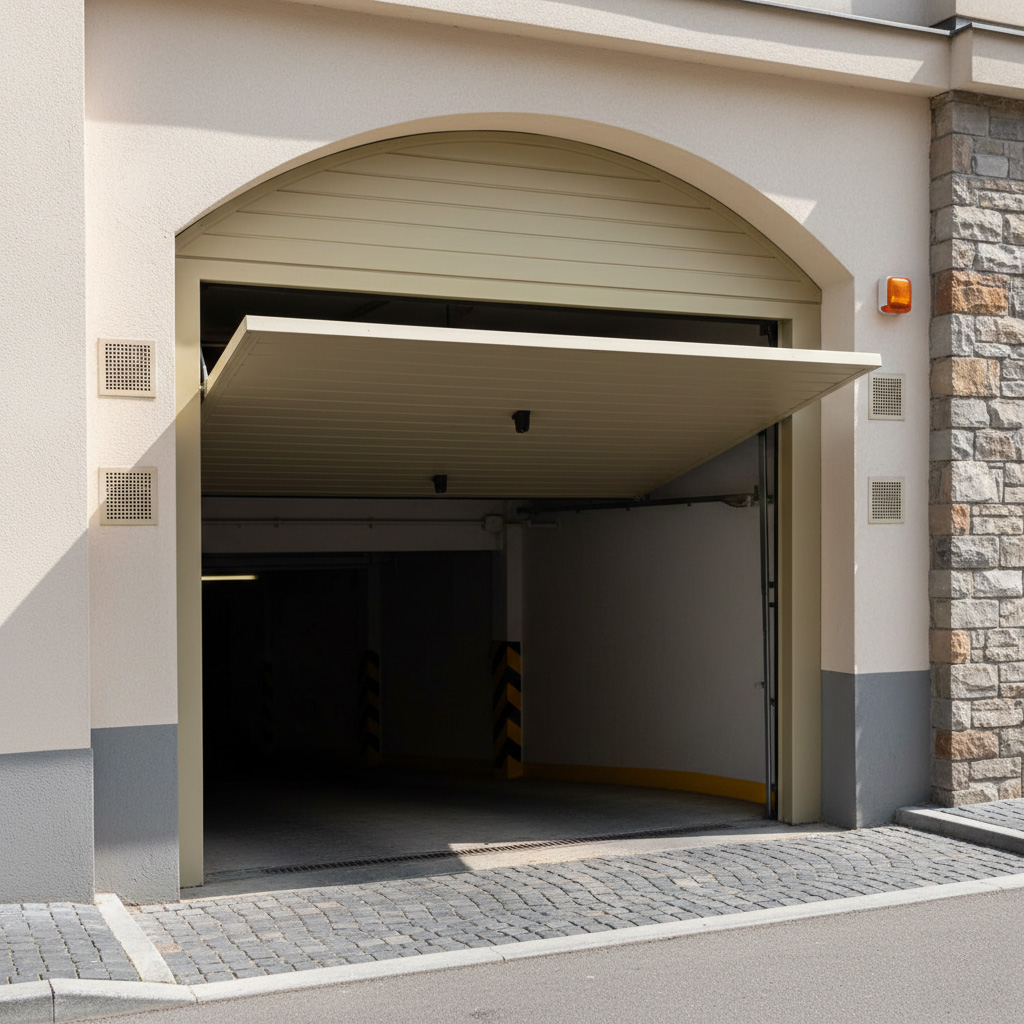
How they work: Pivot arms or springs lift the door; canopy leaves about a third protruding, while retractable uses side tracks to pull it fully inside.
Pros:
- Simple mechanism with fewer parts.
- Lower cost: $1,200–$2,500 installed.
- Classic look for older homes.
Cons:
- Requires driveway clearance (canopy style).
- Limited insulation and automation.
- Less secure; becoming obsolete for new builds.
Chicago use: Mostly replacements in pre-1970s homes. They’re fading due to sectional superiority, but remain a budget-friendly option for detached garages.
These alternative types of garage doors fill specific gaps, but for most NW Chicago homes, I steer toward sectionals for reliability. Explore more in Different Kinds of Garage Doors or the full Garage Door Options Guide.
Cost Considerations by Type
Understanding costs is essential when comparing types of garage doors—prices vary by material, size, insulation, and features. In the Chicago metro area for 2026, expect inflation-adjusted averages based on recent data.
A standard single-car (9×7) installed door runs $1,200–$3,000, while double-car (16×7) adds 50–100% more. Factors like local labor ($300–$600), permits ($50–$200), and Chicago-specific upgrades (e.g., wind-rated hardware or extra insulation for winters) influence totals.
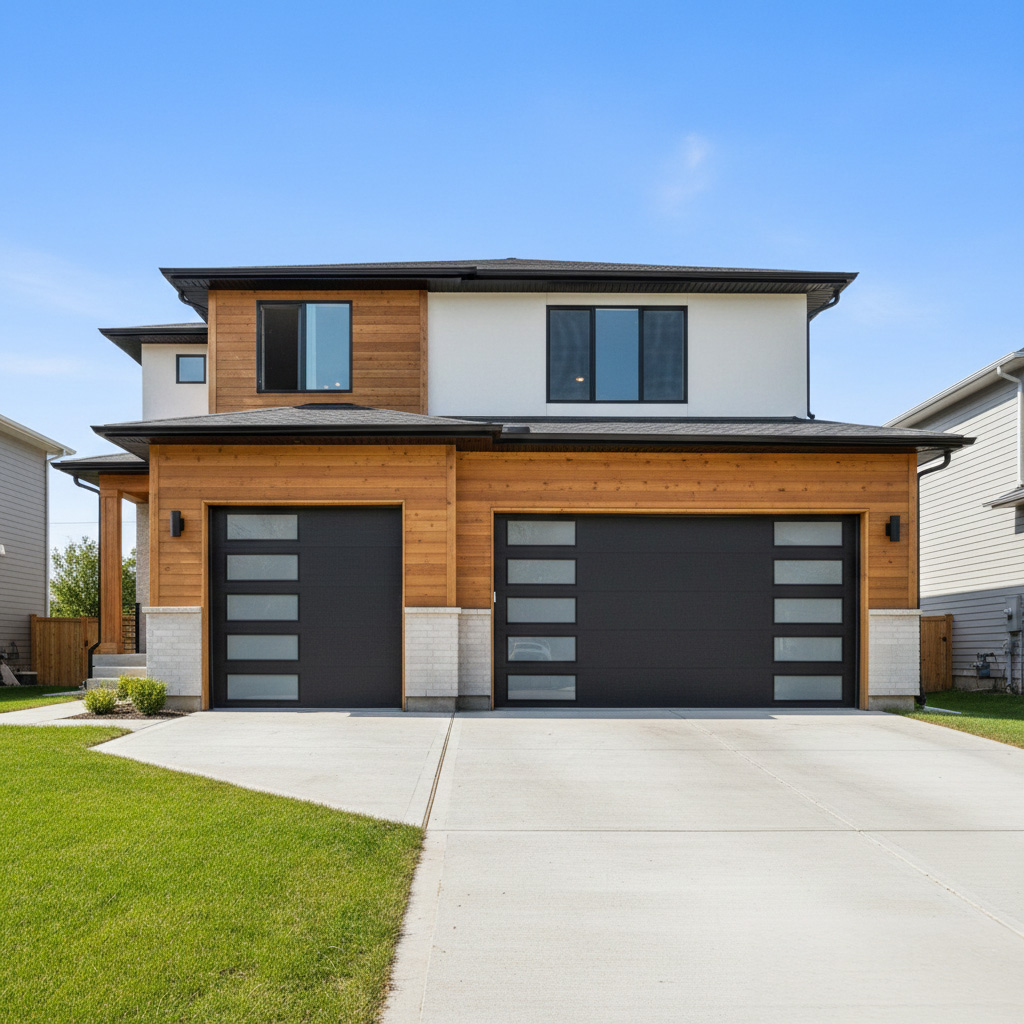
National averages hover around $1,400–$1,854 for basic installs, but in NW Chicago suburbs like Park Ridge or Evanston, add 10–20% for higher labor and material transport.
Premium brands (Amarr, Clopay) or custom features (smart openers, $200–$500 extra) push costs up. From my experience at Prime Garage Door Repair, budget sectionals offer the best value—reliable without breaking the bank.
Always factor in long-term savings: insulated types recoup costs through lower energy bills.
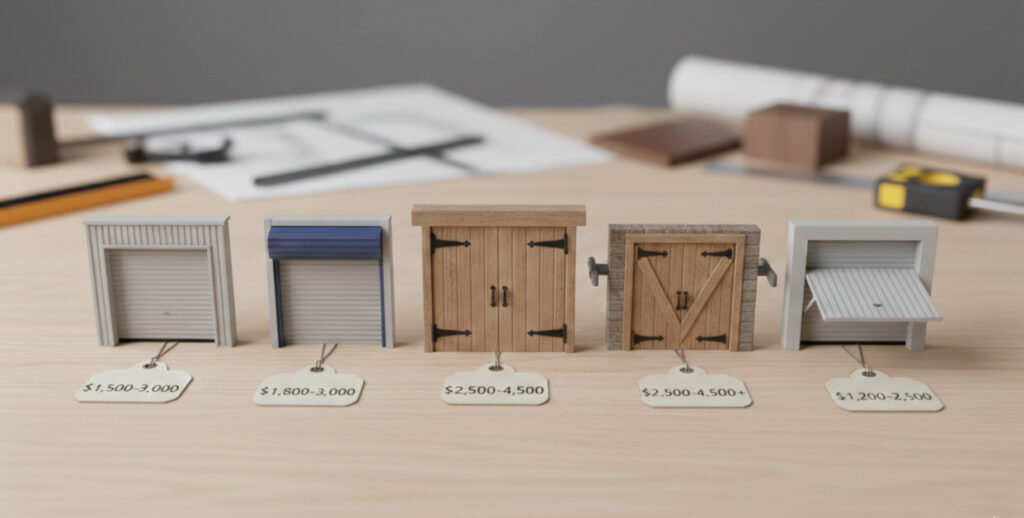
Cost Breakdown by Type (Single-Car, Installed in Chicago, 2026)
| Type | Average Cost Range | Key Factors Influencing Price |
|---|---|---|
| Sectional | $1,500–$3,000 | Insulation level, material (steel cheapest); most affordable overall. |
| Roll-Up | $1,800–$3,500 | Industrial build adds durability cost; good for low headroom. |
| Carriage / Swing-Out | $2,500–$4,500+ | Custom hardware and wood overlays; higher cost for true swing-outs. |
| Slide-to-Side | $2,200–$4,000 | Rare mechanism increases labor; custom tracks required. |
| Tilt-Up / Canopy | $1,200–$2,500 | Simplest and cheapest; budget option for basic needs. |
These are estimates—get a free quote for your specific setup. Professional installation ensures warranties, code compliance, and avoids DIY pitfalls that cost more long-term.
FAQ Section
Got questions about types of garage doors? As a master contractor with hands-on experience in Northwest Chicago, I’ve answered thousands. Here are the top ones, with insights tailored to our local climate and homes.
What Are the Most Common Types of Garage Doors?
The most common are sectional doors (about 90% of residential installs), followed by roll-up doors for commercial-style homes and faux carriage doors for added style. In Chicago suburbs, sectional doors dominate due to their insulation and space efficiency. True swing-outs and tilt-up doors are steadily fading from modern builds.
Which Type of Garage Door Is Best for Chicago Winters?
Insulated sectional doors are the best choice. High R-values (16+) seal out cold air and prevent ice buildup on tracks. Avoid non-insulated tilt-up doors—they freeze easily.
From my Evanston projects, polyurethane-core sectional doors have reduced heating costs by 15–20%.
What Are the Cheapest Types of Garage Doors?
Tilt-up / canopy doors are the cheapest, starting around $1,200 installed. Basic uninsulated sectional doors typically start at $1,500.
However, lower upfront cost often means higher repair frequency in our salty winters, so investing in quality usually saves money long-term.
Are There Different Types of Garage Doors for Residential vs. Commercial?
Yes. Residential doors focus on appearance, insulation, and quiet operation (sectional and carriage styles), while commercial doors prioritize durability, security, and size (roll-up and high-speed doors).
In mixed-use properties in Des Plaines, I often combine features from both to suit home offices or workshops.
How Do I Choose Between Types of Garage Doors?
Evaluate headroom, driveway space, budget, and functional needs—especially insulation for attached garages. Measure your opening, consider Chicago weather conditions, and consult a professional.
In Park Ridge, most homeowners ultimately choose sectional doors after an on-site assessment.
What Types of Garage Doors Are Trending in 2026?
Smart-integrated sectional doors with app control, eco-friendly roll-up doors made from recycled materials, and hybrid carriage styles with wind-rated construction are trending.
Energy-efficient models are especially popular in Illinois due to rebates and rising energy costs.
If your question isn’t covered here, reach out—I’ll provide personalized advice for your Northwest Chicago home.
Conclusion
We’ve covered the full spectrum of types of garage doors available in 2026—from the ever-reliable sectional doors that dominate Northwest Chicago installations for their insulation and versatility, to compact roll-ups for low-headroom spaces, charming carriage house styles that elevate historic homes, and niche options like slide-to-side or tilt-up for unique needs.
The right type depends on your garage layout, local weather challenges (our harsh winters demand good sealing and durability), budget, and desired aesthetics. In my decade-plus experience serving Park Ridge, Des Plaines, Mount Prospect, Evanston, and surrounding suburbs, I’ve found that most homeowners benefit most from high-quality insulated sectional doors—they deliver the best balance of performance, energy savings, and long-term reliability against Illinois salt and snow.
Investing in the proper type now saves thousands in repairs, energy costs, and headaches later. Whether you’re replacing a failing door, upgrading for better curb appeal, or planning a new build, professional guidance ensures you get it right the first time.
As the master contractor at Prime Garage Door Repair, I’m here to help. I personally handle consultations and installations using trusted brands like Amarr and Clopay, with full warranties and Chicago-area expertise.
Ready to find the perfect type for your home? Schedule your free, no-obligation garage door consultation today.
Thank you for reading—check out our ultimate Garage Door Options Guide for styles, materials, and more expert advice.

Dmytro Shevchenko is the owner and lead technician at Prime Garage Door Repair, located at 25975 N Diamond Lake Rd, Unit 111, Mundelein, IL 60060. Known for his honest service and expert craftsmanship, he ensures every garage door operates safely and smoothly for families and companies across the Chicago suburbs.

estimate