




When it comes to the safety and functionality of your home, garage doors play a crucial role. A well-installed garage door not only enhances your home’s curb appeal but also provides security and energy efficiency. In this guide, we’ll walk you through the essential aspects of garage doors and installation, maintenance, and repair, helping you make informed decisions for your home.
Garage doors come in various styles, materials, and functionalities. Understanding these differences is key when choosing the right door for your home. From traditional swing-out doors to modern roll-up models, selecting the right type depends on your personal preference and the architectural style of your house.
Types of Garage Doors
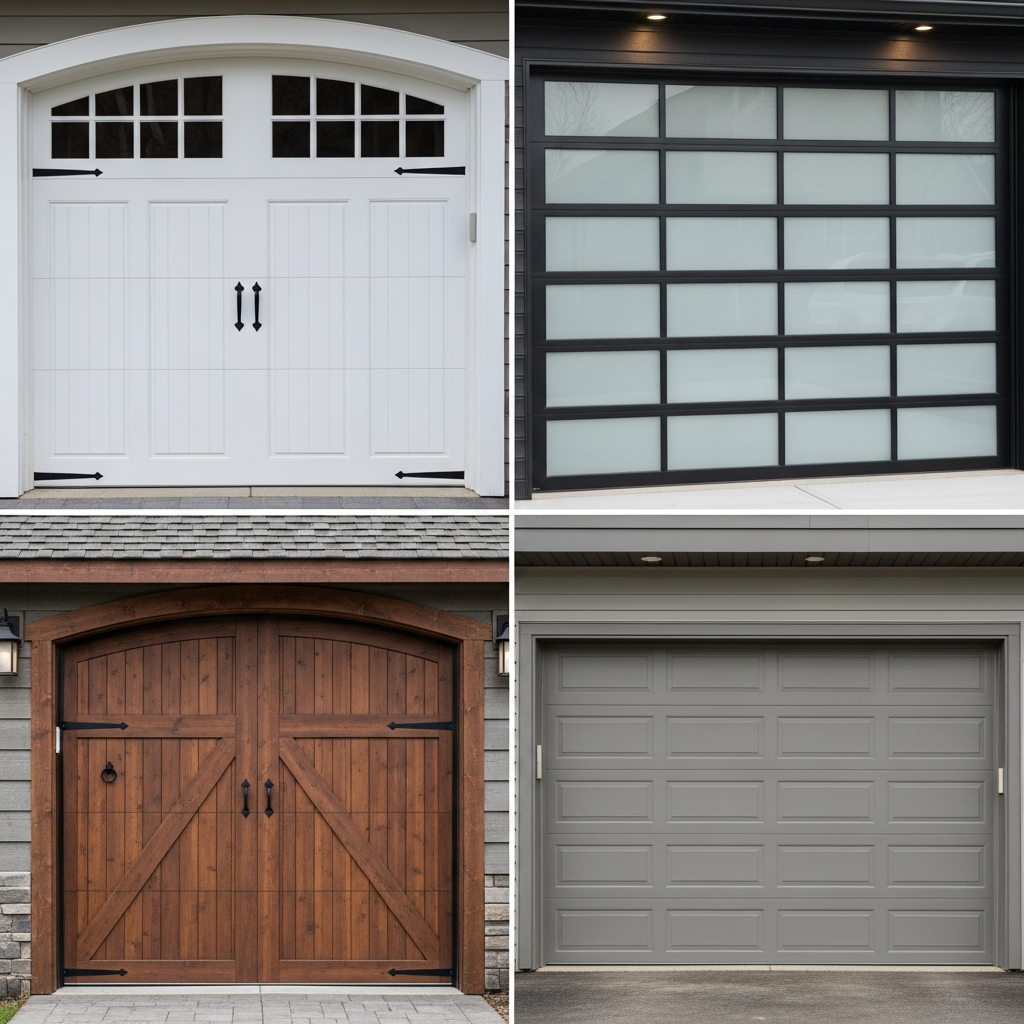
- Sectional Garage Doors: These are the most popular in the U.S. They consist of panel sections connected with hinges, allowing the door to bend as it opens and closes.
- Roll-Up Garage Doors: Common in commercial settings, these doors are ideal for areas with limited ceiling space. They roll up into a coil above the opening.
- Slide to the Side Garage Doors: As the name suggests, these doors slide to the side to open, staying parallel to the wall.
- Side-Hinged Garage Doors: These resemble large barn doors and are ideal for garages with minimal headroom.
- Tilt-Up/Up-and-Over Canopy Garage Doors: These doors tilt up into the garage and are typically a single solid piece rather than sections.
Materials Matter
The material you choose for your garage door affects its durability, appearance, and maintenance requirements. Here are some common materials:
- Steel: Durable and low-maintenance, steel doors are a popular choice for many homeowners.
- Wood: Offers a classic look but requires regular maintenance to prevent weather damage.
- Aluminum: Lightweight and resistant to rust, making it suitable for humid environments.
- Fiberglass: Mimics the look of wood and is resistant to dents and corrosion.
- Vinyl: Known for its durability and low maintenance, vinyl is also resistant to cracking and fading.
Steps to a Successful Garage Door Installation
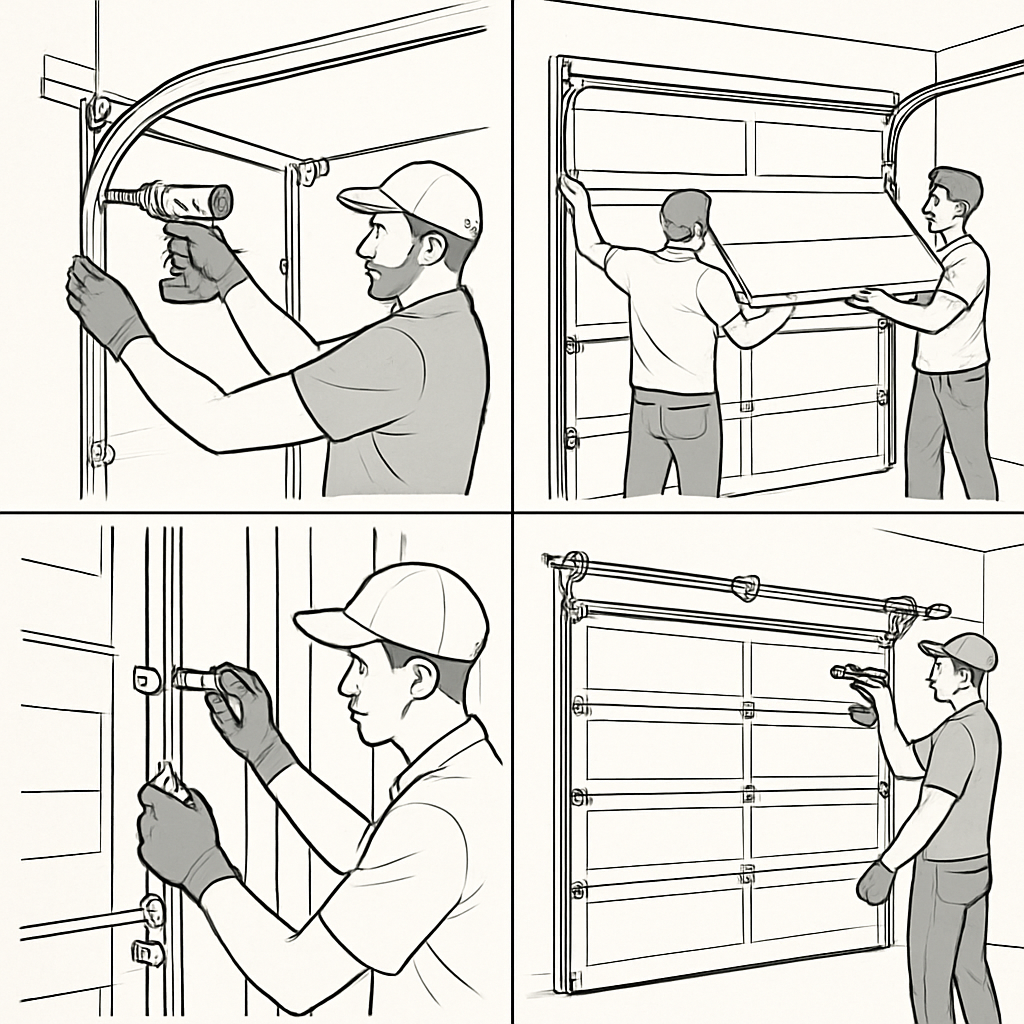
Garage doors and installation is a complex task that requires precision and expertise. While some homeowners may consider DIY installation, hiring a professional can save time and ensure the job is done right. Here’s a step-by-step look at what a professional installation entails:
1. Measuring the Opening
Accurate measurements are crucial. A professional will measure the width, height, and depth of the garage opening to ensure the door fits perfectly.
2. Removing the Old Door
If you’re replacing an old door, the first step is to remove it safely. This involves detaching the springs, panels, and tracks.
3. Installing the New Door
The new garage door is installed in sections. Professionals will set up the tracks, hinges, and rollers, ensuring everything is aligned correctly.
4. Attaching the Springs and Cables
Springs and cables are vital for the door’s operation. They balance the door’s weight, making it easier to open and close. Proper installation is essential for safety.
5. Testing and Final Adjustments
After installation, the door is tested to ensure smooth operation. Any necessary adjustments are made to optimize performance.
The Importance of Garage Door Maintenance
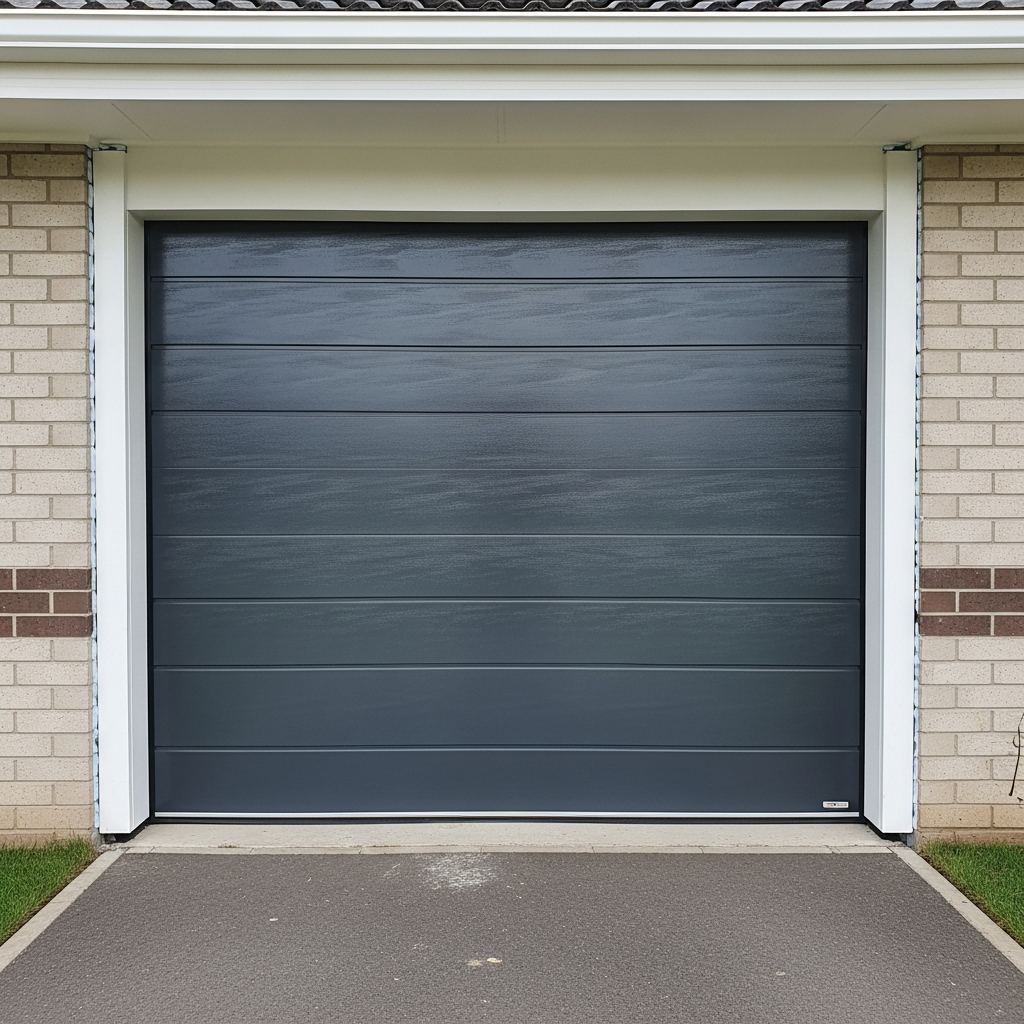
Regular maintenance is crucial for the longevity and functionality of your garage door. Here are some maintenance tips to keep your door in top shape:
Routine Inspections
- Visual Inspection: Check for any signs of wear and tear, like frayed cables or rusted springs.
- Listen for Unusual Noises: Scraping or grinding sounds can indicate a problem that needs attention.
Lubrication
Keep all moving parts lubricated to reduce friction and noise. Use a high-quality lubricant specifically designed for garage doors.
Balance Testing
An unbalanced door can strain the opener and lead to premature failure. To test balance, disconnect the opener and manually move the door halfway up. If it doesn’t stay in place, it may be unbalanced.
Safety Feature Testing
Test the door’s safety features, like the auto-reverse function, to ensure they are operational.
When to Call for a New Garage Doors and Installation
Despite regular maintenance, garage doors may still require repair. Here are some signs that it’s time to call a professional:
- The Door Won’t Open or Close: This could be due to a malfunctioning opener, broken springs, or an obstruction in the tracks.
- Sagging Door Sections: If the door isn’t opening evenly, it may be due to structural issues.
- Slow Response Time: If the door takes longer than usual to respond to commands, there might be an issue with the opener or the door’s mechanism.
Need help? Call us 847-305-4535
Benefits of Professional Services
Working with skilled technicians for installation and repair offers numerous advantages:
- Expertise: Professionals have the knowledge and tools to handle complex installations and repairs safely.
- Time-Saving: Hiring a professional can save time and reduce the stress of DIY projects.
- Warranty: Professional services often come with warranties, providing peace of mind.
Testimonials from Our Customers


Conclusion
Garage doors are an integral part of your home’s functionality and appearance. By understanding the types, materials, and installation processes, and by performing regular maintenance, you can ensure your garage door remains in excellent condition. For complex installations and repairs, trust in the expertise of professional technicians to deliver quality service and long-term reliability. With the right care and professional support, your garage door will serve you well for years to come.

Dmytro Shevchenko is the owner and lead technician at Prime Garage Door Repair, located at 25975 N Diamond Lake Rd, Unit 111, Mundelein, IL 60060. Known for his honest service and expert craftsmanship, he ensures every garage door operates safely and smoothly for families and companies across the Chicago suburbs.

estimate