




Winter in Illinois can be brutal, often bringing freezing temperatures that demand thorough home preparation. You might wonder, does insulating garage door help in winter? The answer is a resounding yes. This often-overlooked upgrade makes a significant difference in your home’s energy efficiency by keeping cold air out and warmth in, which effectively reduces heating costs.
Additionally, a well-insulated door protects your belongings from extreme conditions and minimizes noise, which is especially important if your garage is attached to your living space. While DIY options are available, professional services ensure optimal results. Ultimately, investing in insulation is a smart move for Illinois homeowners looking to enhance comfort and achieve long-term savings.
Summary
Insulating your Illinois garage door improves energy efficiency, lowers heating costs, protects vehicles and stored items from extreme cold, and reduces noise. This guide outlines insulation types and R-values, how to choose the right material, a step-by-step installation process, and the importance of weatherstripping and sealing. It also compares DIY and professional options, shares maintenance tips and common pitfalls, and explains the advantages of hiring local experts for reliable, long-term performance.
Does Insulating Garage Door Help in Winter?
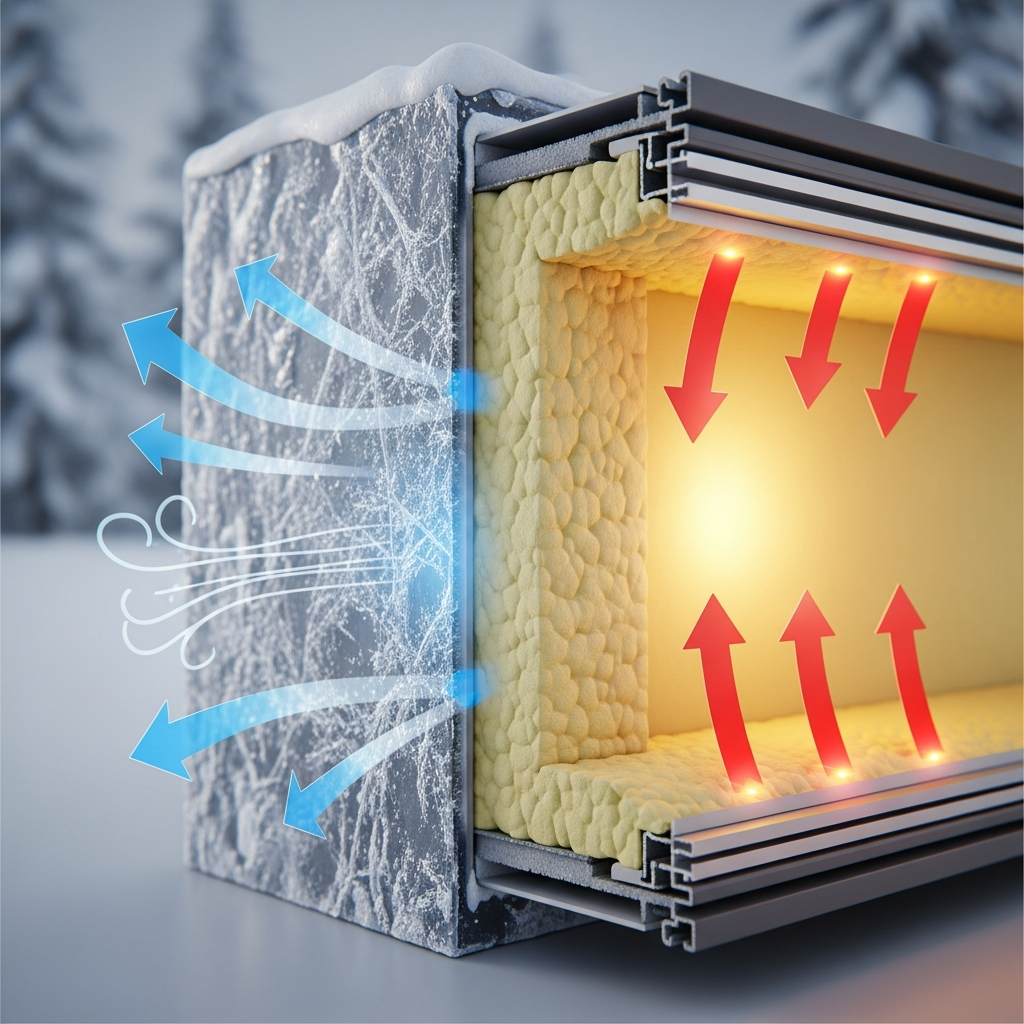
Illinois winters are notorious for their chilling winds and low temperatures. Insulating your garage door helps in maintaining a stable indoor climate. This simple home improvement task can significantly impact your comfort during the winter months.
By insulating your garage door, you reduce heat loss, which is crucial for energy efficiency. This, in turn, lowers your heating bills, making it a cost-effective investment. Beyond just saving money, insulation increases the overall comfort of your home, particularly if your garage is attached.
Another great benefit of an insulated garage door is the protection it offers. Vehicles and stored items are safeguarded from the biting cold that could cause damage. Additionally, insulation also reduces noise from outside, creating a more peaceful atmosphere indoors.
Insulating a garage door goes beyond energy savings and protection. It enhances the longevity of your garage door mechanism by reducing strain from fluctuating temperatures. This means fewer repairs and maintenance woes, adding to the overall value of your home.
Here are key benefits of insulating your garage door:
- Improved energy efficiency and lower heating costs
- Protection for vehicles and stored items from extreme cold
- Noise reduction for quieter living spaces
- Prolonged lifespan of the garage door mechanism
These reasons make garage door insulation a worthy consideration for Illinois homeowners.
Understanding Garage Door Insulation: Types and R-Values
When it comes to insulating your garage door, understanding the types of materials and their R-values is essential. The R-value measures thermal resistance. Higher R-values indicate better insulation performance.
There are several types of materials you can use for garage door insulation. Each comes with unique benefits and considerations. Common options include foam boards, reflective barriers, and fiberglass batts.
Foam boards are popular due to their high R-values and ease of installation. They provide a solid barrier against temperature fluctuations. Reflective barriers work by reflecting heat, making them ideal for climates with variable temperatures. Fiberglass batts offer good thermal resistance and are often used in DIY projects.
Choosing the right insulation material depends on your specific needs. Considering factors such as climate, garage type, and budget will guide your choice. For instance, attached garages may benefit more from high R-value materials.
It’s important to note that proper installation is crucial for maximizing the benefits of your chosen insulation. A good fit without gaps enhances the performance and efficiency of the insulation. Thus, understanding these aspects ensures you achieve the best possible outcome in energy savings and comfort.
Choosing the Right Insulation Material for Your Garage Door
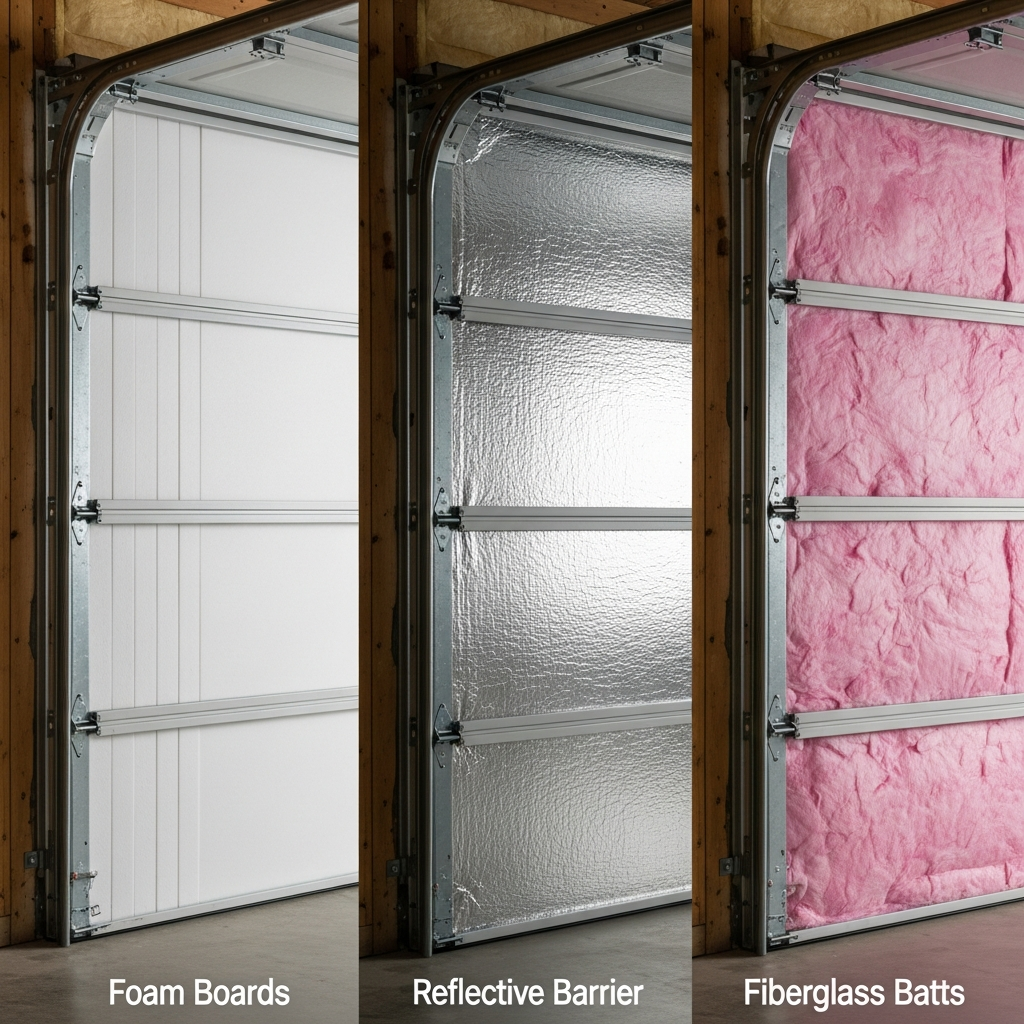
Selecting the best insulation material for your garage door is crucial. It directly affects your garage’s energy efficiency and comfort. With so many options available, understanding the pros and cons of each is beneficial.
Foam boards are a top choice for many Illinois homeowners. They are lightweight, providing a high R-value that suits the chilly winters. These boards are easy to cut and fit, making the installation process straightforward.
Reflective barriers are another popular option. They are ideal if you want a material that not only insulates but also reflects heat. This feature is beneficial in regions with fluctuating temperatures.
Fiberglass batts are a cost-effective choice, often favored in DIY insulation projects. They offer reasonable thermal resistance and are widely accessible. However, they require careful handling to avoid any health issues.
When choosing insulation, consider your garage’s specific needs. Think about factors such as climate, garage design, and your personal preferences. Here’s a quick summary to guide your decision:
- Foam Boards: High R-value, easy to install
- Reflective Barriers: Reflects heat, good for variable temperatures
- Fiberglass Batts: Cost-effective, DIY-friendly
By understanding each material’s strengths, you make a well-informed decision, ensuring your garage is insulated efficiently.
Step-by-Step Guide: How to Insulate Your Garage Door
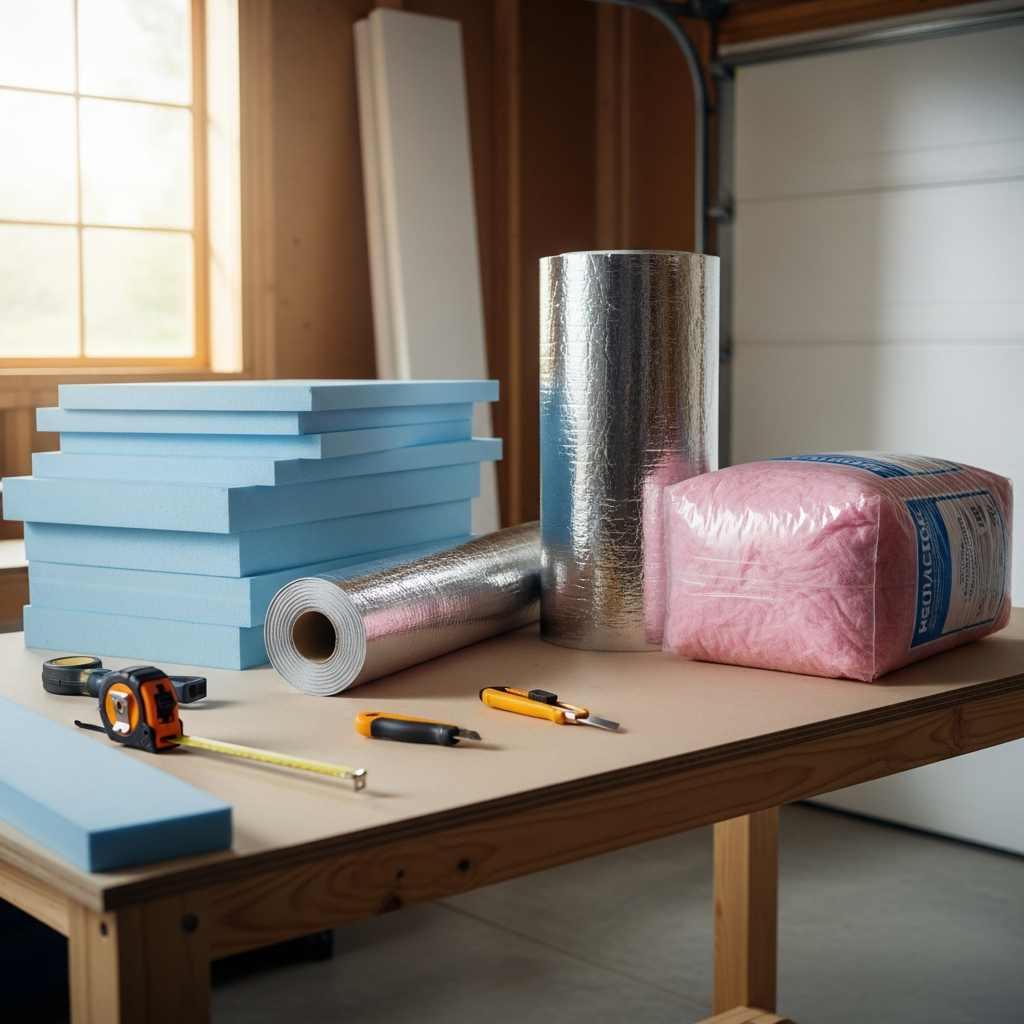
Insulating your garage door is a manageable task that enhances comfort and energy efficiency. Follow these steps for an effective insulation process.
Start by gathering all necessary tools and materials. You’ll need insulation, a utility knife, measuring tape, and adhesive. Having everything ready saves time and ensures a smooth workflow.
Begin with measuring the panels of your garage door. Accurate measurements are crucial for cutting the insulation to fit snugly. Take your time to measure twice to ensure precision.
Once measured, proceed with cutting the insulation material. Use a sharp utility knife to achieve clean cuts. Make sure each piece fits within the panel boundaries.
After cutting, apply adhesive to secure the insulation pieces. Ensure even application for strong adherence. This step ensures the insulation remains in place during door operation.
Insert the insulation into the panels. Start from the bottom and work your way upwards. Press firmly to ensure the insulation adheres properly to the adhesive.
Consider adding a layer of reflective tape to maximize insulation efficiency. This step enhances thermal reflection, especially beneficial during cold Illinois winters.
Finally, check the insulation for any gaps. Use weatherstripping or caulk to seal these areas. Proper sealing prevents drafts and boosts insulation effectiveness.
Here is a brief checklist for your insulation project:
- Gather tools: insulation, knife, tape, adhesive
- Measure and cut insulation accurately
- Apply adhesive and insert insulation
- Add reflective tape and check for gaps
Completing these steps results in a well-insulated garage door. It helps maintain a stable garage temperature while reducing energy bills. Regularly inspecting and maintaining this setup ensures long-lasting benefits.
Weatherstripping and Sealing: Essential for Maximum Efficiency
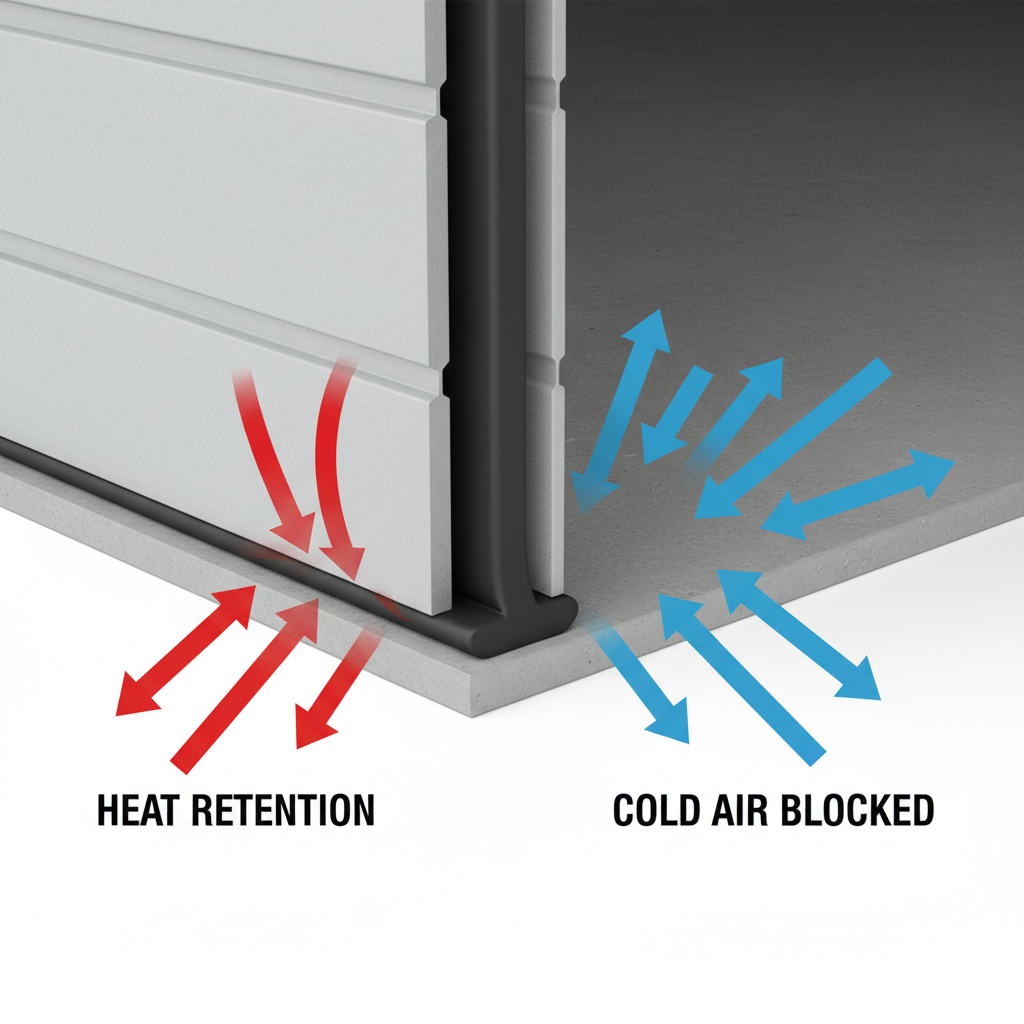
Weatherstripping your garage door plays a vital role in insulation. It prevents drafts and reduces energy loss. This step is crucial for maximizing the benefits of your insulation efforts.
Focus on sealing the edges of your garage door. These areas are common sources of air leaks. Installing weatherstripping here can significantly improve insulation performance.
Choose the right type of weatherstripping for your door. Options include rubber, vinyl, and silicone strips. Select one based on your budget and performance needs.
Applying weatherstripping requires a steady hand. Cut strips to fit along the door edges and attach them securely. Here’s how to ensure maximum efficiency:
- Inspect current seals for wear or damage.
- Clean the surface thoroughly before applying new strips.
- Measure and cut strips to fit snugly against the door frame.
- Secure strips with adhesives or screws for longevity.
Proper sealing, combined with insulation, creates a barrier against temperature fluctuations. It enhances comfort and reduces energy costs during harsh Illinois winters. Regularly check seals for wear to maintain their effectiveness.
DIY vs. Professional Garage Door Insulation: What Homeowners Should Know
Choosing between DIY or professional insulation depends on your skills and budget. Both approaches have distinct advantages. Knowing the differences can help you make an informed decision.
DIY insulation kits are readily available. They often include all necessary materials and instructions. This option appeals to budget-conscious homeowners seeking a hands-on project.
However, DIY solutions may not offer the same effectiveness as professional services. Mistakes in installation can lead to reduced efficiency. Professionals provide expertise and tailored solutions to maximize insulation benefits.
Hiring professionals comes with several advantages:
- Expertise in selecting the right materials.
- Correct application for optimal insulation performance.
- Saves time and effort while ensuring high-quality results.
Consider your specific needs and circumstances when deciding. If unsure about installation skills, hiring a technician can prevent costly errors. Professional services often result in better insulation, reduced energy bills, and increased comfort. Remember, the long-term benefits can outweigh the upfront costs. Evaluate your options carefully to achieve the best results for your garage door insulation in Illinois.
Maintenance Tips for Your Insulated Garage Door
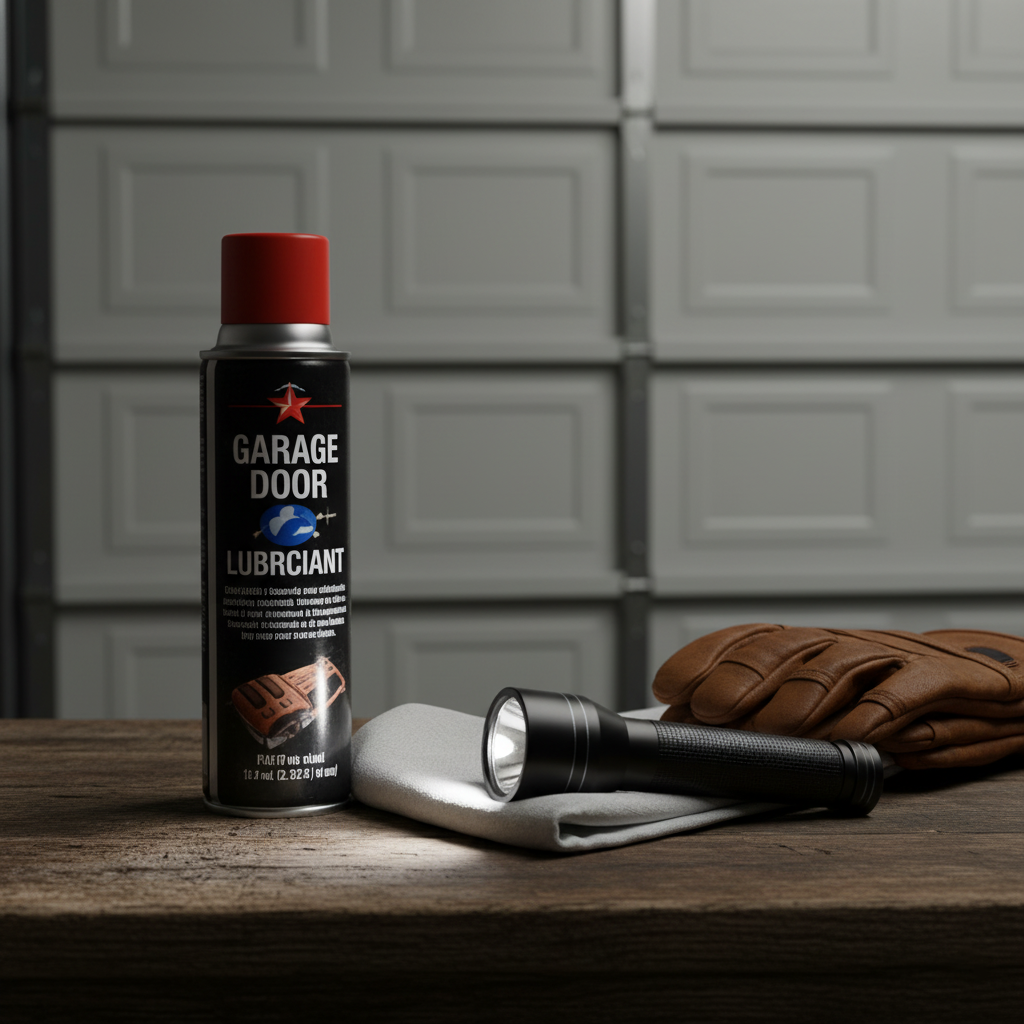
Maintaining an insulated garage door is crucial for longevity and efficiency. Regular checks can prevent small issues from becoming costly repairs. A well-kept door ensures continued energy savings and comfort.
Start with routine inspections. Check for any wear and tear on the insulation. Look out for gaps or damage that can compromise effectiveness. Early detection makes repairs simpler and less expensive.
Lubrication is also important. Hinges, rollers, and tracks should operate smoothly. Regular application of a suitable lubricant can reduce friction and prolong the door’s life.
Finally, keep a checklist handy for ongoing maintenance:
- Inspect insulation for damage or displacement.
- Tighten any loose hardware like nuts and bolts.
- Test the door balance to ensure it closes properly.
Address issues as soon as they arise. This proactive approach maintains the door’s efficiency and prevents future headaches. Regular maintenance guarantees your garage remains a cozy and insulated space throughout the winter months.
Common Mistakes to Avoid When Insulating Your Garage Door
Insulating a garage door seems straightforward, but avoidable mistakes can reduce effectiveness. Being aware of common pitfalls ensures a more successful outcome.
One frequent error is ignoring the door’s weight. Additional insulation can increase weight and strain on the opener. This leads to mechanical failures over time.
Another mistake is selecting the wrong type of insulation. Each material has specific benefits and installation requirements. Choose the right one for your climate and garage door type.
To help you avoid these pitfalls, keep these points in mind:
- Always check the opener can handle the extra weight.
- Make sure to seal all edges properly.
- Avoid materials not suited for Illinois climate conditions.
Careful planning and attention to detail will help ensure a functional and efficient insulated garage door.
Benefits of Professional Garage Door Services in Illinois
Hiring professionals to insulate your garage door offers numerous benefits. Expert technicians possess the skills and experience needed for an effective installation. This ensures that insulation materials are applied correctly.
Professional services also provide tailored advice. Experts understand the unique needs of homes in Illinois’ climate. They can recommend the best insulation type for maximum efficiency and comfort.
Moreover, investing in professional services saves time and potential frustration. Proper installation reduces the likelihood of errors that could lead to inefficiency. With reliable professionals, you can look forward to many advantages:
- Accurate assessment of your garage door’s insulation needs.
- High-quality installation practices.
- Warranty options for added peace of mind.
Overall, professional garage door services in Illinois offer convenience, efficiency, and long-term reliability. This investment can enhance both your garage’s comfort and your home’s energy efficiency.
Need professional services? Call us 847-305-4535
Why Homeowners Trust Us: Prime GDR Google Reviews


Frequently Asked Questions About Garage Door Insulation
What is the purpose of insulating a garage door?
Insulating a garage door helps regulate the temperature inside your garage. It can significantly cut down on heating costs during winter. Additionally, it protects stored items and vehicles from extreme cold.
How do I choose the right insulation material?
Selecting the correct material depends on your garage’s specific needs. Consider factors like R-value and climate. Professional advice can be invaluable in making this choice.
Can I install garage door insulation myself?
DIY kits are available for homeowners interested in installing insulation. However, professional installation often results in a more effective outcome.
How does insulation affect garage noise levels?
Insulation can reduce the amount of noise that enters your garage. This leads to a quieter, more comfortable indoor environment.
What are the maintenance requirements for insulated garage doors?
Regular maintenance, such as checking for wear and tear, complements insulation. Lubricate moving parts and inspect the door’s condition periodically.
Is professional garage door insulation worth the investment?
Yes, professional services ensure high-quality installation. This results in long-term energy savings and enhances your garage’s overall performance.
Conclusion: Invest in Comfort and Efficiency This Winter
Insulating your garage door is a smart investment for Illinois homeowners. It keeps your garage warmer and reduces energy costs. By choosing the right insulation and sealing, you increase comfort and preserve your garage contents.
Professional services provide precision and effectiveness in installation. This ensures your garage door insulation delivers maximum benefits. As winter approaches, prioritize your comfort and savings by enhancing your garage door’s efficiency. Consider professional garage door services for optimal results.

Dmytro Shevchenko is the owner and lead technician at Prime Garage Door Repair, located at 25975 N Diamond Lake Rd, Unit 111, Mundelein, IL 60060. Known for his honest service and expert craftsmanship, he ensures every garage door operates safely and smoothly for families and companies across the Chicago suburbs.

estimate